

Zero-Sequence Transformer Solutions: ODM Innovations for Enhanced System Performance
2026-01-08
In today's rapidly evolving power systems, achieving optimal performance demands innovative solutions that go beyond conventional approaches. At Lugao, we've pioneered Zero-Sequence Transformer technology—a breakthrough designed to enhance system efficiency and reliability. This blog explores how our ODM innovations are transforming the landscape, offering insights into advanced applications and real-world benefits that set us apart. Dive in to discover how Lugao is leading the charge toward smarter, more resilient energy solutions.
Understanding Zero-Sequence Transformers in Modern ODM Designs
In today's electronics landscape, zero-sequence transformers have become crucial components, especially as ODM designs evolve to meet stringent safety and performance standards. These transformers are specifically engineered to detect and mitigate ground faults and imbalances in three-phase power systems, ensuring that devices operate reliably even in demanding industrial and commercial environments. By focusing on zero-sequence currents, which often indicate leakage or fault conditions, modern ODM frameworks integrate these transformers to enhance overall system resilience and compliance with international regulations, such as IEC standards for electrical safety.
What sets contemporary designs apart is how ODMs leverage zero-sequence transformers to address emerging challenges in smart grids and renewable energy systems. For instance, in solar inverters or EV charging stations, these transformers help prevent electrical hazards by quickly isolating faults, thus safeguarding both equipment and users. Moreover, their compact and efficient designs allow for seamless integration into smaller form factors, which is essential as consumer and industrial electronics trend toward miniaturization without compromising on safety features.
Beyond basic functionality, the innovation in zero-sequence transformers within ODM contexts often lies in customized solutions tailored to specific applications. Designers might incorporate advanced materials or digital monitoring capabilities to improve sensitivity and response times, offering clients unique competitive advantages. This adaptability not only streamlines production processes but also reduces costs, making high-quality safety components more accessible across diverse markets from appliances to medical devices.
Key Innovations Driving System Performance Enhancements
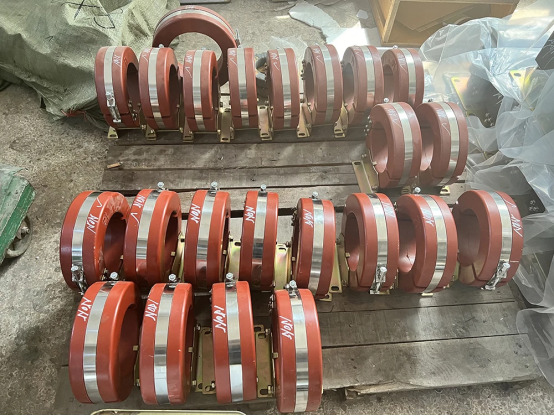
In recent years, a series of technological breakthroughs have significantly boosted system performance, with innovations like parallel processing and advanced caching mechanisms leading the charge. These developments allow systems to handle larger data volumes and more complex operations efficiently, reducing latency and improving overall responsiveness. For instance, the integration of machine learning algorithms has enabled predictive optimization, dynamically adjusting resources based on usage patterns to maintain peak efficiency without manual intervention. As a result, users experience smoother interactions and faster outputs across various applications.
Another key area is the adoption of edge computing, which decentralizes processing to bring computations closer to data sources. This reduces the distance data must travel, minimizing bottlenecks and enhancing real-time capabilities. Coupled with energy-efficient hardware designs, such as low-power processors and optimized cooling systems, these innovations not only elevate performance but also contribute to sustainability by lowering power consumption. The synergy between hardware advancements and smart software solutions creates a robust foundation for scalable and resilient systems.
Furthermore, advancements in network protocols, like QUIC and 5G, play a crucial role in speeding up data transmission and reducing packet loss. These innovations ensure that systems can communicate more reliably and quickly, which is essential for high-demand environments such as cloud services and IoT networks. By continuously refining these technologies, developers can push the boundaries of what systems can achieve, delivering unprecedented levels of speed and reliability that meet modern user expectations.
Customized Solutions for Diverse Industrial Applications
In today's fast-paced industrial landscape, one-size-fits-all approaches often fall short. That's why we focus on tailoring solutions to meet the unique challenges of each sector, from manufacturing to energy. By digging deep into specific operational needs, we craft strategies that enhance efficiency and drive innovation.
Our process starts with listening—really listening—to what our clients face on the ground. Whether it's streamlining supply chains in logistics or optimizing resource use in agriculture, we build systems that adapt to real-world demands. This hands-on collaboration ensures that every project feels personal, not just another off-the-shelf product.
From niche applications in robotics to broad-scale environmental initiatives, our flexible frameworks evolve with industry trends. Instead of forcing pre-made solutions, we empower businesses to grow smarter, tackling everything from cost reduction to sustainability goals with precision and creativity.
Streamlining Integration and Maintenance Processes
When it comes to streamlining integration and maintenance processes, many teams find themselves bogged down by outdated methods that hamper efficiency. To truly enhance these operations, it's crucial to adopt flexible and scalable approaches. For instance, implementing modular components can significantly reduce the complexity of integrating new features, allowing for quicker deployments and fewer disruptions. This proactive stance not only saves time but also ensures smoother updates that keep systems running seamlessly.
In practice, streamlining often involves leveraging automation tools tailored to specific needs, which can minimize manual interventions and human errors. By integrating continuous monitoring and feedback loops, organizations can identify potential issues early, enabling timely maintenance and preventing costly downtimes. This holistic view fosters a culture of continuous improvement, where processes are regularly refined based on real-world performance data.
Beyond technical solutions, fostering collaboration between development and operations teams is key to streamlining efforts. When these groups work together closely, they can align goals and streamline workflows, making integration and maintenance more cohesive. This collaborative approach not only boosts productivity but also enhances adaptability in dynamic environments, ensuring long-term success and resilience.
Advancing Safety and Reliability in Power Systems
Ensuring the safety and reliability of power systems has become increasingly complex with the integration of renewable energy sources and the growing demand for electricity worldwide. Modern grids must balance stability while accommodating intermittent generation from solar and wind, which can introduce unpredictable fluctuations. Innovations like advanced grid monitoring and real-time data analytics are key to detecting potential failures early, preventing outages that could disrupt homes, businesses, and critical infrastructure. By leveraging these technologies, operators can maintain a steady flow of electricity, even under challenging conditions.
Reliability in power delivery is not just about avoiding blackouts; it also involves protecting the infrastructure from physical and cyber threats. With the rise of interconnected systems, vulnerabilities to hacking or natural disasters pose significant risks. Implementing robust cybersecurity protocols and resilient design strategies, such as microgrids that can operate independently during emergencies, enhances overall system integrity. This proactive approach helps communities remain powered during crises, ensuring that essential services like hospitals and communication networks stay functional.
Looking ahead, the push for smarter grids and automated controls is transforming how safety and reliability are managed. Through the use of artificial intelligence and machine learning, power systems can predict and respond to issues before they escalate, optimizing performance and reducing human error. Investments in upgrading aging infrastructure and fostering international collaboration on standards further contribute to a more secure and dependable global energy network, paving the way for sustainable growth.
Future Trends and Sustainable Practices in Transformer Technology
Transformer technology is undergoing a remarkable evolution, driven by the urgent need for environmental sustainability and operational efficiency. One standout trend is the shift towards biodegradable and fire-resistant insulating fluids, replacing traditional mineral oils. This not only reduces the ecological footprint but also enhances safety in sensitive areas, making transformers more resilient and less hazardous over their lifecycle. Simultaneously, the integration of smart sensors and IoT connectivity is revolutionizing maintenance practices, enabling predictive analytics that prevent failures and extend equipment life, thus curbing resource waste and downtime.
Beyond materials and monitoring, the design of transformers is leaning heavily into modularity and scalability. This approach allows for easier upgrades and repairs, minimizing the need for complete replacements and reducing electronic waste. Companies are also exploring renewable energy integration, with transformers optimized for fluctuating inputs from solar and wind sources, ensuring grid stability while supporting the global transition to clean power. These innovations aren't just incremental improvements; they represent a fundamental rethink of how transformers function in a circular economy, where every component is designed with reuse in mind.
Looking forward, the push for sustainability is fostering cross-industry collaborations, such as partnerships between tech firms and utility providers to develop ultra-efficient cooling systems and noise-reduction technologies. These efforts aim to make transformers quieter and more energy-efficient, particularly in urban environments where space and community impact are critical. By embracing these forward-thinking practices, the transformer industry is not only adapting to regulatory pressures but also setting new benchmarks for reliability and eco-friendliness, ensuring that this essential technology remains a cornerstone of modern infrastructure without compromising the planet's health.
FAQ
The Zero-Sequence Transformer, as highlighted in ODM innovations, refers to a specialized transformer design that effectively manages zero-sequence currents, enhancing system stability and performance in power distribution networks by mitigating harmonic distortions and improving fault tolerance.
ODM (Original Design Manufacturer) innovations involve customizing transformer designs to integrate advanced materials and control technologies, enabling more efficient zero-sequence management, reduced energy losses, and tailored solutions for specific industrial applications.
These solutions are expected to boost system reliability by providing better voltage regulation, minimizing electromagnetic interference, and increasing the lifespan of equipment through optimized thermal and electrical performance in zero-sequence environments.
This technology is particularly beneficial in data centers and renewable energy installations, where zero-sequence currents can cause disruptions; it ensures stable power flow, reduces downtime, and supports grid integration of intermittent sources like solar and wind.
Unlike standard transformers, these ODM innovations offer higher customization, quicker response to zero-sequence events, and enhanced diagnostic capabilities, making them more adaptable to evolving power system demands and regulatory standards.
By improving system performance and reducing maintenance needs, these innovations can lead to lower operational costs over time, with increased energy efficiency translating into savings and a smaller environmental footprint.
Implementation challenges include initial higher costs, the need for specialized installation expertise, and integration complexities with existing infrastructure, though ODM partnerships often help overcome these through tailored support and training.
Anticipated developments include further miniaturization, integration with smart grid technologies for real-time monitoring, and advancements in materials science to enhance thermal and electrical properties, driving continuous improvements in system performance.
Conclusion
The exploration of "Zero-Sequence Transformer Solutions: ODM Innovations for Enhanced System Performance" highlights a significant evolution in power system design, where Original Design Manufacturer (ODM) approaches are revolutionizing how zero-sequence transformers are integrated into modern infrastructures. By delving into the fundamental principles of zero-sequence transformers in contemporary ODM frameworks, it becomes clear that these components are no longer mere afterthoughts but central to achieving optimal electrical balance and fault protection. Innovations driving performance enhancements include advanced materials and smart monitoring technologies, which not only boost efficiency but also enable real-time diagnostics, reducing downtime and operational costs. This shift towards tailored, high-performance solutions underscores a move away from one-size-fits-all models, fostering resilience in diverse industrial settings.
Beyond mere technical upgrades, the focus extends to practical aspects like streamlined integration and maintenance, ensuring that these transformers are easier to deploy and sustain over their lifecycle. This emphasis on usability complements advancements in safety and reliability, with robust designs that mitigate risks such as ground faults and electrical imbalances, thereby protecting both equipment and personnel. Looking ahead, future trends point towards sustainable practices, including eco-friendly materials and energy-efficient operations, aligning transformer technology with global environmental goals. By synthesizing customization, innovation, and sustainability, ODM-driven zero-sequence transformer solutions are setting new benchmarks, making power systems more adaptive, secure, and forward-thinking in an ever-evolving technological landscape.
Contact Us
Contact Person: Doreen
Email: [email protected]
Tel/WhatsApp: 8618057712366
Website: https://www.liugaopower.com/