

Wholesale Trunk Mats: The Smart Buyer’s Guide to Quality and Value
2026-11-02
Ordering trunk mats wholesale shouldn't mean crossing your fingers and hoping for the best. But if you've ever opened a shipment to find thin, slippery mats that curl at the edges, you already know the risk. In this buyer's guide, we break down the material, fit, and durability checks that separate genuine value from cheap fillers—and we'll show you why FANDEWEI keeps landing on shortlists for all the right reasons.
Rubber vinyl or carpet which trunk mat material earns its wholesale price
A quick look at bulk order sheets tells the story: rubber trunk mats hold their wholesale markup better than vinyl or carpet. The reason is simple—dealers rarely get returns on a thick rubber liner, but vinyl pieces come back with torn edges and carpet mats show stains after one muddy season. Retail buyers seem willing to pay a few extra dollars for the heavier feel, and that margin sticks.
Vinyl can be tempting at the lowest per-unit cost, especially for budget accessory bundles. Yet once you factor in replacement rates and customer complaints about sliding or cracking in cold weather, the upfront savings disappear. Carpet sits at the opposite end—nice for a luxury demo vehicle, but it needs constant cleaning and rarely justifies the higher wholesale tier in volume orders.
Between the three, rubber is the one that earns its price at the wholesale counter. It absorbs abuse, fits a wide range of trunk shapes without custom tooling, and keeps its look long enough that shops reorder without haggling. If you are stocking inventory, put the heavier bets on rubber and treat vinyl and carpet as side options for specific buyer requests.
The edges and backing tell you more than the showroom photo
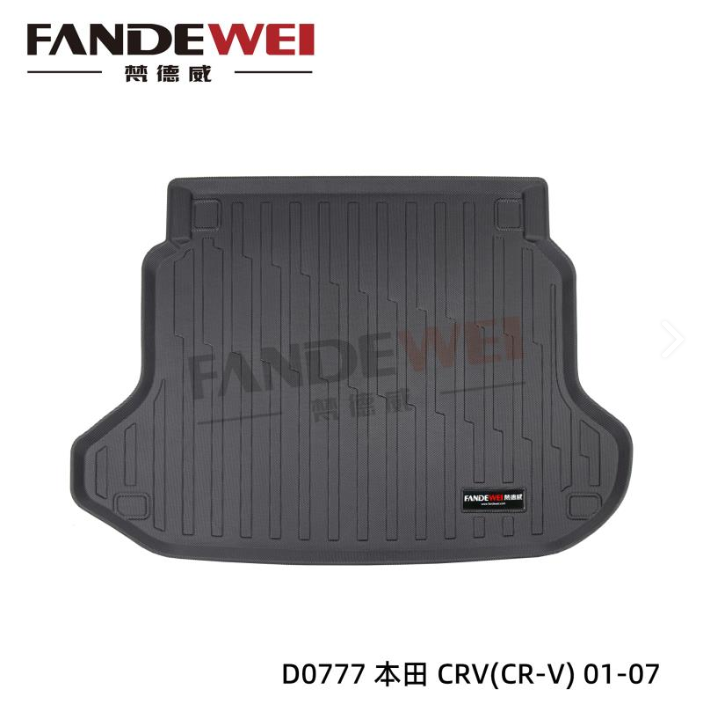
A showroom photo can make any rug look plush from a distance, but the real story is in the construction. Run your fingers along the fringe and flip a corner over. Hand-tied knots should feel slightly irregular, with tiny variations in spacing that machine looms simply cannot fake. If the fringe is sewn on as an afterthought rather than emerging from the foundation, that tells you how much care went into the piece.
The backing is just as telling. A stiff, glue-heavy underside often means shortcuts were taken, while a soft, flexible weave lets the fibers breathe and settle naturally over time. Look for visible knots and a backing material that matches the front in quality—not a synthetic mesh hiding loose threads. These details rarely show up in a staged photograph, but they determine how the rug will age in your home.
Custom contouring versus universal fit when a few millimeters change everything
The phrase universal fit sounds reassuring until you actually pay attention to how your body differs from a mold. Two people can share the same shoe size, yet one has a high arch and the other's foot splays wide at the toes. When a product only needs to accommodate a few millimeters of variation, universal shapes often miss the mark. The result isn't catastrophic failure; it's a slow-building annoyance: a pressure point after an hour, a slight shift that forces constant readjustment, or a gap that lets in unwanted moisture.
Custom contouring starts from a different premise. Instead of averaging thousands of scans into one shape, it treats your specific geometry as the only design brief. That means a dental guard follows the exact curve of your palate, an earbud wing sits against the tragus without pushing outward, or an insole mirrors the subtle dip under your metatarsals. Those small differences, often no more than 2 to 4 millimeters, are the difference between forgetting you are wearing something and being reminded with every step or swallow.
The tolerance debate usually ends at good enough. But pain and fatigue don't respect averages. A universal fit may work for 80% of users, while the remaining 20% experience hotspots, numbness, or extra muscle strain after prolonged use. Custom contouring narrows that gap by addressing the outliers, not by making one shape stretch to fit all. In practice, that's why a few millimeters can transform a device from an occasional nuisance into something you genuinely don't think about.
Bulk pricing tiers that quietly eat into your margin if you ignore the fine print
The allure of bulk pricing is obvious: buy more, save more. But the fine print often hides tier structures that quietly erode your margin. A vendor might offer 10% off at 100 units, 15% at 500, but the step up from 250 to 500 could be far less than expected—or worse, the discount only applies to the units above that threshold, not the entire order. That means your average cost per unit barely moves, while your upfront cash outlay soars.
Some suppliers also play games with tier definitions. You might assume “bulk” means a single SKU, but the contract could aggregate across a product family—diluting the discount on the items you actually need. Or the tier resets monthly, quarterly, or per shipment, so you never hit the top bracket without over-purchasing. These clauses sit quietly in appendix pages, waiting for a finance team that skims instead of scrutinizes.
The real margin killer? Minimum order quantities baked into the “discounted” tier. Saving 12% sounds great until you realize you must buy 18 months of inventory just to qualify. Your working capital gets locked in a warehouse, and shelf-life, demand shifts, or version updates can turn that stock into dead weight. Always calculate the effective cost per unit after factoring in carrying costs, not just the sticker price.
Before you commit to a container load run this five minute sample workout
Five minutes is all you need to see if a container load actually fits your body and your rhythm. Skip the endless deliberation and start moving. Grab any container—barbell, dumbbell, kettlebell, or even a heavy backpack—and set a timer for one minute. Do as many clean reps of your chosen lift as you can without breaking form. It doesn't matter if that's goblet squats, deadlifts, or push presses; what matters is that you feel the weight in your hands and the floor under your feet.
Next, take ninety seconds and pair two moves that challenge your stability. Try five alternating reverse lunges holding the container at your chest, then ten bent-over rows. Repeat that sequence twice. You'll quickly notice if your grip gives out, if your breathing gets ragged, or if your lower back starts complaining. That's the point—not to exhaust you, but to reveal whether this particular load and movement pattern deserve your time and money.
Finish with a brisk two-minute AMRAP of three exercises: five thrusters, seven push-ups, and nine sit-ups. The clock keeps you honest. If you're still moving smoothly at the end, the container load has potential. If every rep feels like a negotiation, walk away. Five minutes beats a wasted week of buyer's remorse.
Weather resistance claims that crumble under heat salt and sub zero trunks
Many products sold as weather-resistant start to fail once they leave the mild test chamber. A summer heatwave softens the plastic around trunk lids until the panel gaps shift, and road salt from winter driving creeps into the smallest seams. What looked like a tight seal at room temperature becomes a collection of hairline gaps after a few months of real use.
The damage accelerates when temperatures stay below freezing. Rubber gaskets turn brittle, then split along the corners where the trunk closes hardest. Melted snow carries salt deeper into those cracks, and each freeze-thaw cycle pries the materials apart a little more. By the second or third cold season, the same trunk that once felt solid now leaks, rattles, and shows rust blooming under the paint.
FAQ
Dense rubber and TPE compounds usually outlast carpet and thin vinyl. They resist tearing, stay flexible in cold weather, and clean up with a quick rinse, which matters for buyers who haul tools, sports gear, or groceries.
Insist on a fitment chart that lists exact vehicle years and body styles. Digitally cut or thermoformed mats with factory-style anchoring points give a much cleaner install than universal trim-to-fit options, which often end up sliding or bunching.
Not always. Many suppliers will drop the initial minimum if you stick to a few popular models or limit color options. Committing to 150–300 pieces with mixed SKUs can still unlock a solid per-unit price without overstocking.
Edge finishing and underside grip. A mat with reinforced binding and a non-slip backing feels more premium after months of use. Customers remember that, and they come back or tell friends, which reduces your marketing burden.
Yes, some cheap rubber and recycled PVC mats have a strong chemical odor that lingers in the trunk. Ask about low-VOC or deodorized material batches. If you sell online, a smelly unboxing is one of the fastest ways to earn a bad review.
Ship mats flat-stacked instead of rolled when possible, and skip bulky retail boxes. Simple polybagging with a hang tag keeps dimensions down. Also consolidating orders by season lets you book full container loads, which drops freight per unit noticeably.
Request a pre-production sample made from the exact material and thickness you plan to sell. Bend it, expose it to heat and cold, and rub the edges. After that, place a small trial batch and track return reasons for the first three months.
Usually yes, as long as the total quantity meets the supplier’s minimum. Mixing sedans, SUVs, and trucks in one order can slow production slightly, but it helps you test demand across models without carrying too much inventory of a single fit.
Conclusion
Smart wholesale buyers quickly learn that the material underfoot is only part of the story. Rubber, vinyl, and carpet each carry a different wholesale cost-to-durability ratio, and the real value often hides in the edges and backing—details you won’t see in a polished showroom photo. Turn a mat over before you place a large order; a thin, loosely bonded edge or a flimsy backing spells trouble for returns and reputation. Custom contouring might seem like a luxury, but when the fit is off by just a few millimeters, a load of “universal” mats can become a pile of unsellable inventory. Those small gaps and lifted corners are exactly what end customers notice first. That kind of subtle mismatch is often the difference between a reorder and a return request.
Bulk pricing tiers deserve a slow read. The fine print in volume discounts can quietly erode your margin if minimums, mix restrictions, or freight terms shift the real cost per unit. Before you commit to a container load, run a quick five-minute sample workout: flex the mat, twist it, drag something heavy across it, and check how it lies flat after being folded. Weather resistance claims are another area where marketing meets reality. Heat, road salt, and sub-zero trunk temperatures expose weak rubber compounds and fading carpet dyes fast. A sample that survives your own abuse test is worth more than any spec sheet. A cheap sample that fails early will cost you far more in chargebacks and lost accounts than any upfront savings.
Contact Us
Contact Person: Jet
Email: [email protected]
Tel/WhatsApp: 8619903745266
Website: https://www.fandewei.com/