

Top Solar Fan: Your Ultimate Guide to Efficient Solar-Powered Cooling
2026-07-25
When summer heat becomes unbearable, a solar fan might be the smartest upgrade for your space. At SRS, we’ve seen how the right solar-powered cooling solution can slash energy bills and keep you comfortable without guilt. This guide cuts through the noise to help you find the perfect match—whether for your attic, greenhouse, or off-grid retreat. Ready to harness the sun for a cooler, greener tomorrow?
How Sunlight Becomes Your Personal Cooling System
It sounds paradoxical—using the sun's heat to stay cool. Yet, that's exactly what modern absorption chillers do. These systems rely on a heat source, like concentrated sunlight, to drive a refrigeration cycle. Instead of a compressor, they use a thermal-chemical process where a refrigerant is absorbed by a liquid, then released again when heated. The result is a cooling effect without the need for electricity-hungry compressors, making it a brilliant way to turn scorching sunshine into indoor comfort.
On a smaller scale, solar cooling can be as simple as a well-designed window film that reflects infrared heat while letting visible light pass through. More advanced personal gadgets are emerging, such as wearable devices that use miniature solar-powered fans or thermoelectric modules. These tiny wonders harvest just enough sunlight to create a microclimate of coolness around your body, letting you enjoy the outdoors without sweating through the experience.
Finding a Solar Fan That Fits Your Lifestyle
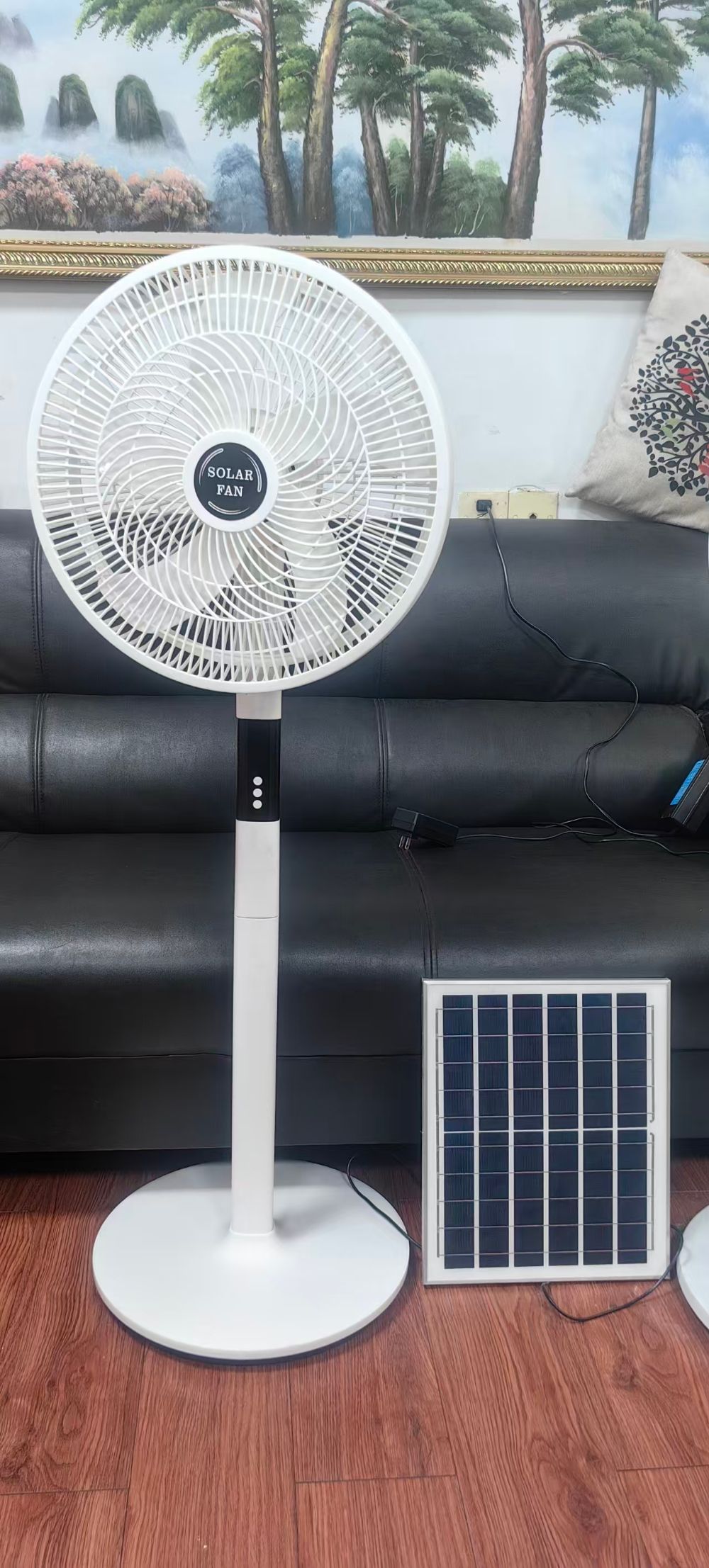
A solar fan isn’t just about staying cool—it’s about finding a breeze that matches your daily rhythm. Maybe you’re someone who spends weekends in a stuffy garage workshop, or you love camping off-grid but still want airflow in your tent. The right fan quietly weaves into those moments without demanding much attention. Think about where you’ll use it most: a compact, clip-on model might be perfect for a camping chair, while a larger stand fan could turn a sweltering patio into a comfortable evening hangout. It’s less about features on a spec sheet and more about how it fits into the little pockets of your life.
Power and portability often tug in opposite directions, so it helps to know your priorities. If you’re always on the move, look for something lightweight with a built-in battery that can charge via USB too, just in case the sun hides for a bit. Someone who works in a greenhouse all day might prefer a rugged fan with a big panel that can run relentlessly, even when it’s humid. Pay attention to the noise — a soft whir might be soothing for a nap on the deck, but you might want something almost silent for a home office. These small details separate a gadget you’ll use once from one you’ll reach for year after year.
Durability can matter more than you’d expect, especially if your fan lives outside. A well-made solar fan shrugs off dust, a little rain, and the occasional tumble. Check that the housing feels solid and the panel isn’t flimsy — it’s often the first thing to fail. Some fans let you angle the panel separately, which is brilliant if you need to tuck the fan in a shady spot while still catching rays. The goal is a fan that feels like a natural part of your setup, not another piece of plastic you have to fuss with. When it blends into your lifestyle that smoothly, you’ve found a keeper.
The Overlooked Perks of Switching to Solar Cooling
One of the quiet advantages of solar cooling is how it aligns perfectly with real-world demand. The sun beats down hardest when you need cooling most, so the energy supply syncs up naturally. That means less strain on the electrical grid during peak hours, fewer brownouts, and a system that truly works when it matters.
Another angle people rarely talk about is the way solar cooling sidesteps the harmful refrigerants found in standard air conditioners. Instead of relying on chemicals that harm the ozone or drive up global warming potential, these setups often use heat-driven absorption or adsorption processes. It’s a low-impact approach that keeps indoor spaces comfortable without leaving a trail of environmental damage.
Beyond the environmental lens, there’s a practical financial upside that sneaks up on you. After the initial setup, operational costs drop sharply because you’re tapping into a free fuel source. Many regions also offer incentives that make the switch even more attractive, turning what seems like a luxury into a long-term money saver.
Getting Your Fan Up Without a Fuss
There’s nothing worse than a warm room and a fan that refuses to cooperate. Before you panic or start smacking it, check the simplest things first. Is it plugged in? Is the outlet working? Sometimes the fix is as straightforward as pressing a button you overlooked in your frustration.
If the basics aren’t the issue, give the fan a closer look without overcomplicating it. Dust buildup can quietly sabotage performance. Unplug the unit, remove the grill if possible, and gently wipe the blades. A little cleaning might be all it needs to spin freely again. Listen for odd sounds—humming or clicking can point you to a loosened screw or a bearing that needs a drop of oil.
When those steps don’t do the trick, don’t rush to toss it. Many fans simply need a bit of realignment. Make sure it’s on a stable surface and that nothing is blocking the airflow. Sometimes repositioning the tilt or moving it away from a corner can make a world of difference. With a calm approach, you’ll often find the solution is simpler than you thought.
Low-Effort Care for Long-Lasting Performance
Keeping your gear in top shape shouldn’t feel like a chore. We’ve designed every component with durability in mind, so you spend less time on maintenance and more time enjoying the ride. A quick wipe-down after use is often all it takes to keep things running smoothly, and the materials resist corrosion and wear even when you skip a deep clean now and then.
Built to handle real-world neglect, the finish stays sleek without constant polishing, and moving parts are shielded from dirt and grime. You’ll notice it still looks sharp after months of heavy use, not because you babied it, but because smart engineering did the heavy lifting. That’s the freedom of gear that doesn’t demand constant attention.
Of course, a little care goes a long way, but you won’t be punished for forgetting. The surface repels fingerprints and smudges naturally, so it keeps that just-unboxed feel with minimal effort. It’s the kind of low-key reliability that quietly earns your trust over thousands of miles.
Places Where Solar Fans Make the Biggest Impact
In remote villages far from stable power grids, solar fans become a lifeline during sweltering summers. They spin quietly in thatched-roof homes and small community clinics, powered entirely by the relentless sun. Without the need for diesel generators or costly battery replacements, these fans offer reliable relief where electricity is a luxury. Farmers returning from the fields can cool down, children can nap comfortably, and health workers can store temperature-sensitive medicines more effectively, all thanks to a simple blade driven by a photovoltaic panel.
Urban areas plagued by frequent blackouts also see solar fans transforming daily life. In cramped apartment blocks and bustling market stalls, when the central grid fails, solar-powered units keep air moving and tempers cooler. Street food vendors no longer lose perishable goods to heat, and small workshops keep productivity up without the deafening roar of backup generators. These fans slip into the rhythm of city life, charging during daylight and running through the evening, bridging the gap between unreliable infrastructure and the need for constant comfort.
Off-grid schools and temporary learning spaces in disaster-prone regions rely on solar fans to create bearable environments for education. In refugee camps and makeshift classrooms, where windows are few and the heat can be oppressive, a solar fan can mean the difference between a focused lesson and a roomful of listless children. Aid organizations increasingly include them in relief packages, recognizing that a steady breeze not only cools the body but also calms the mind, making it easier for displaced families to rebuild routines and regain a sense of normalcy.
FAQ
A solar fan is a cooling device powered entirely by sunlight. It uses photovoltaic panels to convert solar energy into electricity, which drives a motor to spin fan blades. The direct current from the panels can run the fan without any batteries or grid connection, making it a self-contained, off-grid cooling solution.
Most standalone solar fans are designed for personal cooling or ventilating small spaces like attics, sheds, or campers. They can lower perceived temperature by increasing airflow and helping sweat evaporate, but they don't actively chill the air like an air conditioner. For room cooling, you'll need a larger solar ventilation system or combine it with passive cooling techniques.
Solar fans rely on sunlight for immediate operation. On cloudy days, performance may drop significantly. For continuous use after dark or during overcast weather, you need a model with an integrated rechargeable battery that stores excess energy. Without a battery, the fan stops as soon as the light fades.
Focus on the efficiency of the solar panel (monocrystalline panels usually perform better), the airflow capacity measured in CFM (cubic feet per minute), adjustability of speed settings, durability against weather if used outdoors, and whether it includes a battery backup. Also check for tilt-adjustable panels to optimize sun angle, and a whisper-quiet motor if noise is a concern.
Place the fan in a sunny spot with the panel facing true south (in the northern hemisphere) and tilted at an angle roughly equal to your latitude. For attic ventilation, mount it on the roof near the ridge to expel hot air efficiently. Ensure there's adequate intake ventilation (like soffit vents) so fresh air can replace what the fan pushes out. Seal any gaps around the installation to prevent leaks.
Yes, despite a higher upfront cost, solar fans save money long-term because they draw zero grid electricity. Once installed, the energy is free. They also reduce load on air conditioning by venting hot air, potentially lowering cooling bills. With minimal maintenance and no operating costs, the payback period is usually just a few years.
Beyond personal cooling, they're fantastic for greenhouses, poultry coops, or pet enclosures to regulate temperature without wiring. Campers and RV owners use them to keep interiors fresh while parked off-grid. DIY enthusiasts rig them into solar-powered hat fans or small evaporative coolers. Some even use them to vent composting toilets or small boat cabins.
Maintenance is simple: keep the panel clean from dust and debris with a damp cloth, and ensure the blades spin freely without obstructions. If performance drops, check for shading on the panel, loose wiring connections, or a seized motor bearing (apply a drop of light oil if accessible). For battery-equipped models, replace the battery every couple of years as capacity degrades.
Conclusion
Harnessing the sun's energy to keep you cool might sound counterintuitive, but modern solar fans turn this idea into a seamless reality. Through photovoltaic panels, sunlight is captured and transformed into electricity that powers efficient, whisper-quiet motors. The beauty lies in the autonomy—once set up, your cooling system runs directly off the sun, with no cords or ongoing electricity costs. Whether you're on a campsite, in a greenhouse, or simply relaxing on a patio, the fan adapts to the available light, ramping up its breeze as the day brightens. This direct conversion means you get a personal cooling oasis exactly where you need it, without burdening the grid or your wallet. The technology has evolved to be not just functional but elegantly integrated, with panels often built right into the fan's design, blending form and function effortlessly.
Choosing the right solar fan hinges on your specific needs and environment, from compact portable models for on-the-go adventures to robust, wall-mounted units for attic ventilation. Many overlook the subtle advantages: solar cooling reduces indoor humidity, prevents mold growth, and maintains fresher air without drying out your space like traditional air conditioning. Installation is refreshingly simple—most fans require no wiring, just a suitable sunny spot and minimal assembly. To keep them humming along, occasional panel cleaning and checking for debris are all that's needed; no complex maintenance routines or replacement filters. In spaces that suffer from heat buildup—think RVs, small workshops, chicken coops, or even disaster relief shelters—solar fans provide a vital, cost-effective solution. They not only shift the heat but do so while championing sustainability, proving that eco-conscious choices can deliver immediate, tangible comfort.
Contact Us
Contact Person: kitty
Email: [email protected]
Tel/WhatsApp: +8618676039824
Website: https://www.srssolargroup.com/