

Top 10 Wastewater Systems for Modern Water Purification and Reuse
2026-07-22
In an era where water scarcity and sustainability dominate global conversations, modern wastewater systems have emerged as silent heroes. From cutting-edge membrane bioreactors to advanced oxidation processes, these technologies not only purify water but redefine reuse possibilities. Among the pioneers, Sinou stands out with solutions that blend efficiency and innovation. Dive into our curated list of the top 10 systems that are transforming how we think about water—one drop at a time.
Membrane Bioreactors Redefining Filtration Efficiency
Filtration has long been the quiet workhorse of water treatment, but conventional systems often hit a wall where solid-liquid separation becomes slow and energy-intensive. Membrane bioreactors flip this narrative by integrating biological processing with advanced membrane filtration in a single, streamlined step. Instead of relying on gravity settling, these systems use submerged membranes with microscopic pores to physically retain biomass, enabling drastically higher mixed liquor concentrations and a smaller plant footprint. The result is a sharper, more reliable barrier that consistently delivers high-quality effluent without the need for secondary clarifiers or polishing steps.
What sets membrane bioreactors apart is their ability to decouple hydraulic retention time from solids retention time. In traditional setups, washout of slow-growing microorganisms can limit treatment performance, but MBRs keep specialized bacteria in the reactor for as long as needed. This unlocks more thorough breakdown of stubborn organics, including trace pharmaceuticals and industrial compounds that would otherwise slip through. At the same time, automated backwashing and air scouring dramatically reduce membrane fouling, pushing operational windows far beyond what was imaginable a decade ago. Operaters can now sustain stable permeability at high flux rates without cleaning interruptions, turning what used to be a maintenance headache into a manageable routine.
Equally transformative is the modular, plug-and-play nature of contemporary designs. Pre-engineered membrane cassettes drop into tanks with minimal civil work, allowing plants to expand capacity incrementally as demand grows. This agility is particularly valuable in urban water reuse schemes and industrial zero-liquid-discharge applications, where footprint and reliability are paramount. By combining biological robustness with physical precision, membrane bioreactors aren’t just optimising filtration—they’re rewriting the rules on what’s possible in liquid-solid separation, turning waste streams into resources with a consistency that older technologies could never match.
Sequencing Batch Reactors for Flexible Treatment Cycles
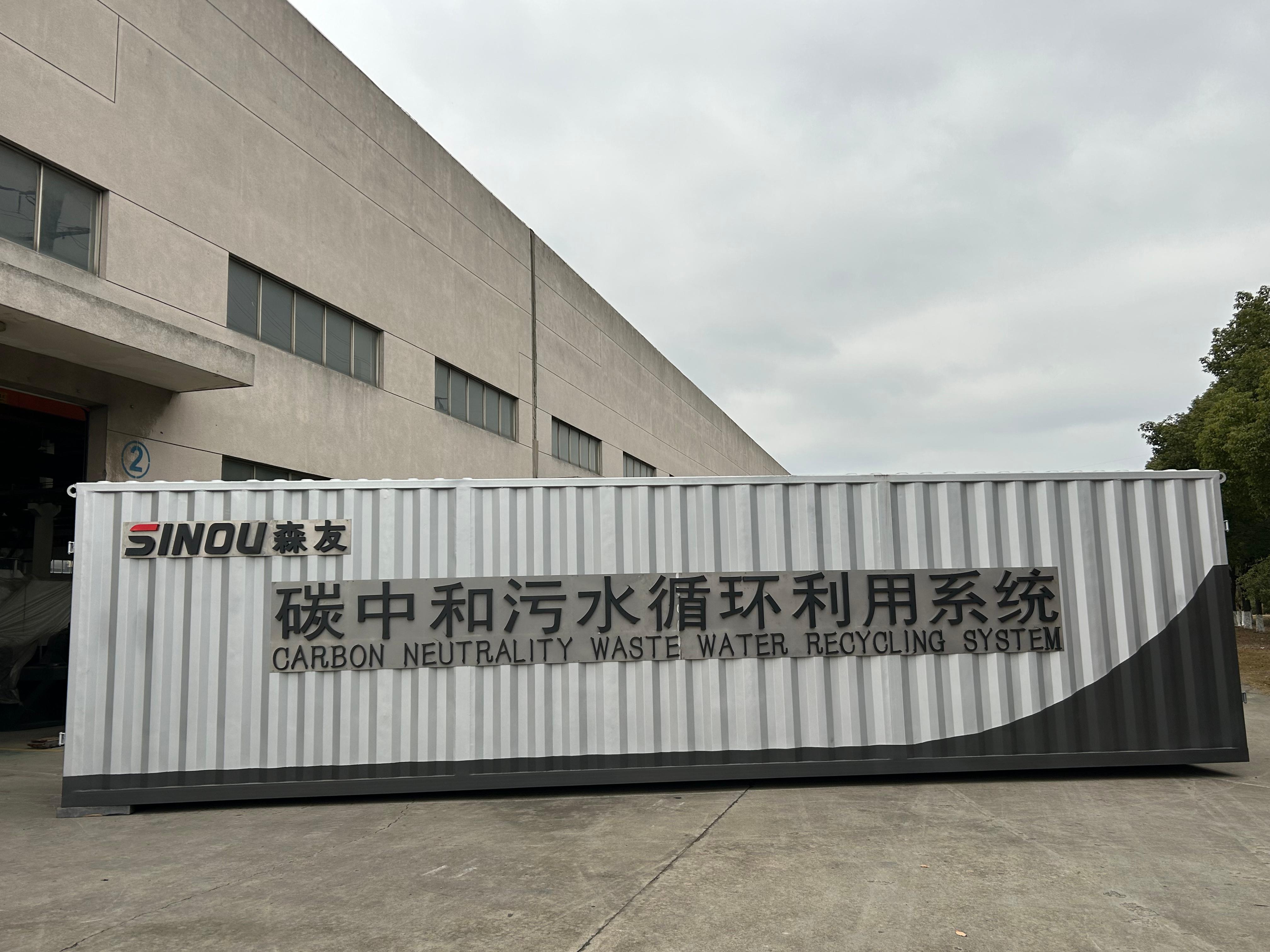
Sequencing batch reactors (SBRs) reshape wastewater treatment by condensing multiple processes into a single tank, running them in a timed sequence rather than across separate basins. This all-in-one approach allows operators to fine-tune each phase—fill, react, settle, decant—based on real-time load variations without physically altering the system. When inflow surges or contaminant profiles shift, the cycle schedule can be adjusted on the fly, giving plants a rare ability to absorb fluctuations without sacrificing effluent quality.
The flexibility of SBR cycles extends beyond simple timing tweaks. By adjusting aeration intensity, mixing patterns, and idle periods, the same vessel can switch between nitrification-denitrification, enhanced biological phosphorus removal, or even combined nutrient removal depending on daily demands. This dynamic reconfiguration makes SBRs particularly valuable for facilities serving seasonal industries, remote communities, or decentralized treatment hubs, where consistent flow and composition are never guaranteed.
What truly sets flexible-cycle SBRs apart is their capacity to integrate low-energy and resource-recovery strategies without major retrofits. For instance, extending the react phase under low-dissolved-oxygen conditions can promote simultaneous nitrification-denitrification, while controlled periods of anaerobic mixing encourage phosphorus-accumulating organisms. These adjustments are often managed through simple programming changes rather than capital-intensive upgrades, turning a conventional maintenance task into an opportunity for process optimization.
Advanced Oxidation Processes Tackling Micropollutants
The rise of micropollutants in water sources, from pharmaceuticals to pesticides, has pushed conventional treatment methods to their limits. Advanced Oxidation Processes (AOPs) step into this gap by generating highly reactive hydroxyl radicals that dismantle complex organic compounds into simpler, often harmless, molecules. Rather than merely transferring pollutants from one phase to another, AOPs aim for complete mineralization, breaking down contaminants at a molecular level. This makes them particularly effective against recalcitrant substances that cling to water even after passing through standard filtration or biological treatment stages. The chemistry behind AOPs is versatile, allowing combinations of ozone, hydrogen peroxide, UV light, and catalysts like titanium dioxide to be tailored to specific water matrices and pollutant profiles for more robust removal performance.
Despite their laboratory-proven efficiency, translating AOPs into real-world water treatment plants brings its own set of challenges. Energy consumption, chemical dosing, and the formation of potentially toxic by-products during partial oxidation demand careful process optimization. For instance, the choice between a homogeneous system using Fenton’s reagent and a heterogeneous photocatalytic setup often hinges on economic and operational factors specific to the treatment site. Engineers are increasingly exploring hybrid configurations that couple AOPs with biological treatments or membrane technologies to balance cost and effectiveness. The goal is no longer just to degrade micropollutants, but to do so in a way that fits within the practical realities of municipal and industrial water infrastructure, ensuring safer water without an unreasonable price tag or ecological footprint.
Constructed Wetlands Blending Nature and Technology
Instead of relying solely on concrete and chemicals, constructed wetlands harness the quiet power of plants, microbes, and soil to purify water. Picture a series of shallow basins filled with gravel and reeds—wastewater flows in, and through a combination of natural settling, root filtration, and microbial action, it emerges far cleaner on the other side. It’s a system that feels almost effortless, yet behind it lies careful engineering: precise flow rates, specific plant pairings, and layered substrates are designed to optimize treatment without needing constant human intervention.
There’s a clever partnership at play here. The technology component—pumps, distribution pipes, monitoring sensors—ensures that the wetland behaves predictably, even when weather or pollutant loads change. Meanwhile, the living elements adapt in ways machines can’t. Bacteria communities shift to tackle new contaminants, and deep-rooted plants break up solids while releasing oxygen. This blend means the system can handle fluctuations that would trip up a purely mechanical plant, all while looking more like a marshy meadow than an industrial facility.
What makes this approach stand out is how it sidesteps the trade-off between effectiveness and ecological footprint. A well‑designed constructed wetland not only meets discharge standards but also creates habitat for birds and insects, stores stormwater, and even sequesters carbon. It’s not about replacing traditional treatment entirely—it’s about weaving a functional ecosystem into places where nature and technology can genuinely reinforce each other.
Anaerobic Digesters Turning Waste into Energy
Picture a farm where manure and food scraps aren’t just waste—they’re the raw ingredients for renewable power. Anaerobic digesters make this a reality by creating an oxygen-free environment where bacteria feast on organic material, releasing methane-rich biogas. That biogas can be captured and burned to generate electricity or heat, replacing fossil fuels. The leftover digestate isn’t trash either; it’s a nutrient-packed fertilizer that gets spread back onto fields, closing the loop in a way that chemical fertilizers never could.
These systems aren’t one-size-fits-all. Small-scale farm digesters often handle manure and crop residue, while larger municipal setups tackle everything from restaurant grease to yard clippings. What’s compelling is how they tackle two problems at once: curbing methane emissions that would otherwise escape from landfills or lagoons, and providing a steady, dispatchable energy source that solar and wind can’t always promise. In regions with supportive policies, farmers and wastewater plants are even piping surplus biogas into natural gas grids, earning extra income while shrinking their carbon footprint.
Of course, the upfront cost can be daunting, and the technology demands regular monitoring—blend the wrong mix of materials or let the temperature slip, and the bacteria slow down. But as more communities look past the “out of sight, out of mind” approach to waste, digesters are gaining traction. They’re not a silver bullet, but they do something few other technologies can: turn our most overlooked resource into a round-the-clock energy supply, right beneath our feet.
Electrocoagulation Systems Minimizing Chemical Usage
Electrocoagulation (EC) systems offer a fundamentally different approach to water treatment by generating active coagulants in situ through the application of an electric current. Instead of relying on bulk chemical additions like alum or ferric chloride, EC uses sacrificial metal electrodes—typically iron or aluminum—that dissolve into the water, releasing ions which immediately form hydroxide complexes. These complexes neutralize charges on suspended solids, oils, and even dissolved contaminants, promoting agglomeration into flocs that can be easily separated. This on‑demand production slashes the need for purchased chemicals, simplifies inventory management, and virtually eliminates the risks associated with handling and storing corrosive or hazardous reagents.
Beyond mere chemical reduction, EC systems often outperform traditional chemical coagulation in several key respects. The process tends to produce denser, more easily dewatered sludge, cutting disposal volumes and costs. Because the coagulant dose is directly controlled by the applied current, operators enjoy far tighter process control—fine‑tuning treatment in real time without overdosing. Furthermore, EC can simultaneously tackle a broader spectrum of pollutants: it removes heavy metals, breaks emulsions, and even inactivates pathogens to some degree. Facilities that switch to EC frequently find that they can eliminate or drastically curtail pH adjustment chemicals and secondary flocculants, shrinking both their environmental footprint and operational complexity.
This technology has proven especially valuable in sectors where water chemistry fluctuates or where strict discharge limits drive up chemical costs. Industrial laundries, for instance, use EC to handle variable oil‑and‑grease loads without constant jar‑testing. Food processing plants appreciate the ability to treat high‑fat streams while maintaining a clean label on their sustainability efforts. Mining operations deploy mobile EC units to tackle heavy‑metal‑laden leachate right at the source, avoiding cross‑contamination risks from shared chemical tanks. By decoupling treatment efficacy from the chemical supply chain, electrocoagulation supports genuinely resilient, low‑impact water management—turning a simple electrical input into a versatile and environmentally responsive solution.
FAQ
For small communities, constructed wetlands combined with membrane bioreactors (MBRs) strike an excellent balance. They mimic natural processes to remove contaminants and produce high-quality effluent safe for crop irrigation, while keeping energy and maintenance costs manageable.
Advanced oxidation processes (AOPs) like UV with hydrogen peroxide or photocatalysis are now integrated into many top-tier systems. They break down stubborn micropollutants at the molecular level, significantly reducing pharmaceutical traces before discharge or reuse.
Moving bed biofilm reactors (MBBRs) are robust in cold weather. The biofilm carriers maintain high biomass density, and the process can be enclosed and insulated, ensuring biological activity doesn't stall even when temperatures drop near freezing.
Anaerobic membrane bioreactors (AnMBRs) handle high COD loads exceptionally well. They convert organic waste into biogas while producing reusable water, offering energy-positive operation and dramatically lower sludge production compared to aerobic methods.
Packed-bed biofilm reactors, especially those using structured media, offer a compact footprint with high treatment capacity. They're often installed vertically, making them ideal for urban retrofits or sites where land is at a premium.
Membrane fouling and scaling are the main headaches. Regular chemical cleaning cycles, pre-filtration upgrades, and sometimes antiscalant dosing are needed. However, modern systems include real-time sensors that optimize cleaning schedules and extend membrane life.
RBCs use very little power since the discs rotate slowly through the wastewater and air. They're mechanically simple and often less energy-intensive than diffused aeration systems, making them popular where electricity costs are high and skilled labor is scarce.
Forward osmosis (FO) hybrid systems are gaining traction. They use minimal energy compared to pressure-driven membranes and can treat complex wastewaters. Paired with low-grade heat for draw solution regeneration, they offer a viable off-grid solution for challenging environments.
Conclusion
Modern wastewater purification has moved far beyond simple settling tanks and chlorine doses. At the heart of today’s advanced systems, membrane bioreactors combine biological treatment with fine filtration, achieving remarkable clarity while shrinking the physical footprint of treatment plants. Their versatility is complemented by sequencing batch reactors, which handle fluctuating loads with ease by adjusting cycle phases on the fly. For stubborn contaminants like pharmaceuticals and cosmetic residues, advanced oxidation processes step in, breaking down micropollutants that would otherwise slip through. Nature-inspired solutions also play a critical role: constructed wetlands use plants and gravel beds to polish effluent, creating thriving ecosystems that double as wildlife habitats, all while requiring minimal energy input.
On the resource recovery front, anaerobic digesters transform sludge into biogas, turning a disposal headache into a renewable energy source that can power operations or feed into local grids. Meanwhile, electrocoagulation systems are redefining chemical-free treatment, using electrical currents to destabilize contaminants and slash sludge volume without relying on large quantities of additives. These six approaches represent only a slice of the innovation reshaping how we reclaim water, but together they highlight a clear trend: the best modern systems don’t just clean water—they recover energy, eliminate trace pollutants, and blend seamlessly with both urban infrastructure and natural landscapes. The result is a more resilient, cost-effective, and environmentally sound path toward water reuse.
Contact Us
Contact Person: HaiYan
Email: [email protected]
Tel/WhatsApp: +86 18957325588
Website: https://www.senyoubeton.com/