

Stainless Steel Fasteners Manufacturer Shares Expert Tips for Long-Lasting Industrial Applications
2026-11-02
In industrial settings, the difference between a reliable assembly and costly downtime often comes down to the smallest components. Stainless steel fasteners may be tiny, but they carry the weight of structural integrity and long-term performance. BOYIKUN, a trusted manufacturer in the field, is sharing field-tested tips that go beyond the spec sheet—helping engineers and maintenance teams avoid premature failure and extend service life. Whether you're battling corrosion, vibration, or thermal cycling, these insights will change how you specify and maintain fasteners.
Why Stainless Steel Grades Matter More Than You Think
Most people assume all stainless steel is the same—shiny, rust-resistant, and interchangeable. But the grade of steel quietly dictates how a part will behave under heat, stress, or exposure to salt and chemicals. Using the wrong grade can turn a simple component into a costly failure, whether it's a kitchen sink that pits after a year or a marine fitting that corrodes despite the "stainless" label.
Grade 304 works fine indoors, but move it anywhere near chlorides and it starts to show its limits. Meanwhile, 316 adds molybdenum, which gives it a fighting chance in coastal or industrial settings. The differences aren't just academic—they show up as cracks, leaks, and replacement bills. Engineers learn this the hard way when a "budget-friendly" alloy fails a pressure test or a food-grade surface develops micro-pitting that traps bacteria.
The real surprise is how often the "premium" choice saves money over time. A higher-grade alloy costs more upfront but shrugs off wear and chemical attack that would send a cheaper steel to the scrap bin in months. Next time you see a stainless steel product, remember: the grade isn't a minor detail—it's the entire reason the thing still works.
The Hidden Role of Surface Finish in Corrosion Resistance
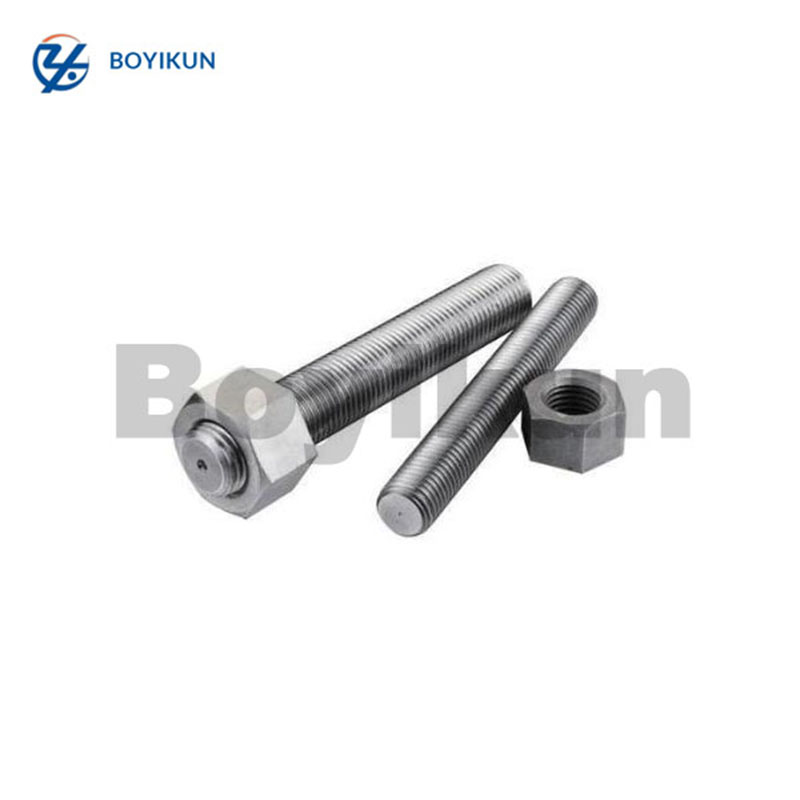
Corrosion engineers often obsess over alloy chemistry, coating thickness, and environmental pH, yet the topography of a metal surface can quietly override all of them. A surface that feels smooth to the touch may still harbor microscopic valleys, embedded abrasive particles, and torn metal folds that act as initiation sites. These features trap chloride-laden moisture and create oxygen concentration cells, where the bottom of a scratch becomes anodic relative to the surrounding plateau. In many field failures, the spec sheet was flawless, but the surface finish was the unexamined accomplice.
The mechanism is not merely about roughness average (Ra). Two surfaces can share the same Ra value while behaving completely differently in a corrosive environment. A ground finish with sharp, parallel grooves tends to channel aggressive fluids and promote directional attack, whereas a blasted finish with rounded, overlapping dimples may scatter stress and retain fewer capillary paths. Even more hidden are the metallurgical side effects: aggressive machining can smear grain boundaries, induce tensile stress, or embed iron particles from cutting tools. These subtle changes destabilize the passive oxide layer, making what looks like a clean, shiny part electrochemically patchwork.
This is why specifying surface finish solely by a roughness number often misses the point. For stainless steels and aluminum alloys in marine or chemical service, the orientation of the finish, the sharpness of peaks, and the presence of microcrevices matter more than a single profilometer reading. Electropolishing, passivation, or controlled abrasive blasting can transform the same alloy into a far more corrosion-resistant state by removing vulnerable microfeatures and leveling the electrochemical landscape. In practice, a thoughtful finish is not cosmetic; it is a first line of defense that quietly extends service life long before any protective coating is applied.
How Proper Torque Prevents Costly Joint Failures
Most joint failures don't start with a dramatic snap—they begin quietly, in the gap between "tight enough" and "actually correct." When a bolt is under-torqued, it can't generate the clamping force needed to keep mating surfaces locked together. Vibration, thermal cycling, and everyday operational loads then work the fastener loose over time. The result? A joint that gradually loses preload, leading to leaks, fatigue cracks, or sudden separation. Proper torque isn't about muscling a wrench; it's about applying a specific, calculated tension that keeps the assembly rigid under real-world conditions.
On the flip side, over-torquing is just as destructive. Stretching a bolt beyond its elastic limit permanently deforms the threads and reduces its ability to maintain tension. The fastener may feel solid immediately after installation, but it's already compromised—prone to stress corrosion or sudden breakage under peak loads. Proper torque keeps the bolt in its designed elastic range, where it acts like a stiff spring, absorbing shock and maintaining clamp load for years. This is why torque specifications aren't suggestions; they're engineering thresholds that separate a reliable joint from a future failure point.
The real cost of improper torque often shows up far from the assembly line: unplanned downtime, warranty claims, or even safety incidents. A single under-torqued flange on a hydraulic line can drip for months before someone notices, while an over-torqued wheel stud might shear on the highway. Teams that treat torque as a routine measurement—using calibrated wrenches, following sequences, and verifying with angle or stretch methods—catch these problems before they leave the shop. Proper torque isn't a one-time task; it's a discipline that pays for itself by keeping joints quietly doing their job instead of becoming the next costly headline.
Matching Fasteners to Harsh Industrial Environments
Selecting the right fastener for a demanding industrial setting goes far beyond choosing a standard bolt or screw. In environments where corrosive chemicals, extreme temperatures, or constant vibration are part of daily operations, a mismatched fastener can lead to premature failure, unplanned downtime, and even safety hazards. The key is to treat the fastener not as an afterthought, but as a critical component that must endure the same stresses as the machinery it holds together. This means looking closely at the specific conditions—whether it's saltwater spray on an offshore platform, acidic fumes in a chemical plant, or abrasive dust in a mining operation—and then matching the fastener's material, coating, and design to those exact challenges.
Corrosion resistance is usually the first concern, but it's far from the only one. Stainless steel grades like 316 offer good protection against chlorides, yet they may not hold up in hot sulfuric acid, where a high-nickel alloy such as Hastelloy or a titanium fastener would be a better fit. Temperature swings introduce another layer of complexity: a fastener that performs well at room temperature might lose its strength or become brittle at cryogenic levels or in a furnace-like environment. Vibration and dynamic loads demand fasteners with locking features—nylon inserts, serrated flanges, or specialized thread designs—to prevent loosening over time. Coatings, too, play a vital role, from PTFE for chemical inertness to ceramic-based finishes that resist galling and high heat. The right combination isn't always obvious, which is why field testing and consultation with materials engineers often saves money in the long run.
Beyond material selection, the geometry and installation method of the fastener can make or break its performance in harsh conditions. A fastener with a larger bearing surface may distribute load more evenly and reduce stress concentration in brittle substrates, while a flanged head can eliminate the need for a separate washer in dirty or hard-to-reach spots. Preload and torque specifications should be recalculated for the actual operating environment—lubricants used during assembly may break down at high temperatures, altering friction coefficients and clamping force. In particularly aggressive settings, consider using sealed fasteners or pairing them with protective caps to shield threads from debris and chemical exposure. By addressing these details from the outset, maintenance teams can extend service intervals and avoid the costly game of replacing the same failed fastener again and again.
The Case for Regular Inspection Intervals
The real argument for regular inspection intervals is not that inspections are exciting, but that they remove guesswork. A fixed schedule turns maintenance from a series of urgent surprises into a manageable routine. Teams know when to allocate time, which spare parts to keep on hand, and how to sequence shutdowns so they overlap with natural slowdowns instead of interrupting production.
Consistency also builds a record that makes problems visible before they become failures. When you look at the same components at the same intervals, a slight change in vibration, temperature, or wear pattern stands out against earlier readings. Without that history, every inspection starts from zero, and subtle warnings are easy to dismiss or miss entirely.
Finally, there is a simple cost logic at work. Small adjustments found during a scheduled walk-through are rarely expensive. The same issue left for months can turn into a failed bearing, a cracked housing, or a full line stoppage. Regular intervals are less about doing more work and more about doing the right work at a time when it can still be planned and controlled.
Avoiding Galvanic Corrosion Through Smart Material Pairing
When dissimilar metals meet in the presence of an electrolyte, one inevitably loses ions to the other—a silent, costly exchange known as galvanic corrosion. The usual fix involves passive barriers or sacrificial anodes, but a more elegant route lies in pairing materials that naturally minimize the potential difference driving the reaction. Instead of fighting the electrochemical series, smart pairing works with it: choosing alloys that sit close together on the nobility chart so the voltage between them stays below the threshold where corrosion accelerates. This approach doesn't just delay failure; it eliminates the fundamental driver.
Real-world assemblies rarely allow perfectly matched metals, which is where material pairing becomes an art of compromise. For instance, replacing a stainless steel fastener with a titanium one in an aluminum structure might sound counterintuitive, yet the smaller cathode area and tighter nobility gap can reduce galvanic attack more effectively than a thicker coating. Designers also look beyond pure metals to clad systems and conversion coatings that shift the effective surface potential. The goal is not to make every component identical, but to engineer the interfacial couple so any galvanic cell that forms is too weak to matter under service conditions.
Field data from marine and aerospace applications shows that longevity often tracks inversely with the nobility spread across a joint—not the absolute corrosion resistance of a single material. A zinc-plated steel bolt in an aluminum plate may corrode the aluminum locally, while a carefully chosen aluminum alloy with a compatible magnesium content might survive decades with only superficial staining. Smart pairing also considers the ratio of exposed areas: a large anode with a tiny cathode is far safer than the reverse. By treating material selection as a system-level balance of potential, area, and environment, engineers can design joints that stay sound without constant inspection or replacement.
FAQ
The chromium oxide layer is the real workhorse. It reforms on its own when scratched, which carbon steel can't do without a coating. Over time that means fewer replacements and less downtime, so the higher upfront cost tends to pay off in most industrial settings.
Use 316 if there's any chance of chlorides or salt spray. 304 handles general moisture and mild chemicals fine, but once you're near coastal conditions or chemical washdowns, the molybdenum in 316 is what prevents pitting. Don't gamble with 304 in those cases.
Lubrication is strongly recommended, but not just any grease. Stainless threads gall easily under load, so a nickel-based or ceramic anti-seize works best. Avoid lubricants with chlorine or graphite in contact with stainless if the environment gets hot or wet.
You can, but you need to isolate them. Aluminum and stainless steel are far apart on the galvanic series, so moisture turns the joint into a weak battery. Use plastic or coated washers, or apply a barrier coating, and keep that interface dry.
Keeping them loose in a humid shed with carbon steel dust floating around is a fast way to get rust spotting. Store them in original packaging or sealed bins, off concrete floors, and never mix stainless with carbon steel fasteners in the same container.
Absolutely. Stainless isn't immune to over-torque, and the added problem is thread galling before you even reach target torque. Use a calibrated torque wrench, follow the manufacturer's specs, and slow down on final tightening to avoid stress fractures later.
A simple rinse with fresh water every few months does a lot outdoors, especially near salt or industrial fallout. Check for loosening, and if you see surface rust, a passivation treatment with citric or nitric acid will restore the protective layer. Don't wire brush with carbon steel bristles.
Conclusion
Over years of supplying fasteners to demanding industrial sites, we've seen the same avoidable failures repeat themselves. Grade selection is the foundation: 304 may handle indoor washdowns, but coastal or chemical exposure often calls for 316 or duplex alloys—and that choice alone can add years to a joint's life. Surface finish is equally undervalued. A passivated or electropolished surface removes free iron and promotes a tight chromium oxide layer, dramatically slowing pitting in chloride-rich environments. Matching the fastener to the actual environment—temperature swings, humidity, airborne salts, acids—prevents chasing corrosion after installation. And proper torque isn't just about tightness; under-torquing invites vibration loosening, while over-torquing can stretch threads or crack passivation layers, both leading to hidden joint failure.
Long-term reliability also hinges on maintenance habits and material pairing. Setting inspection intervals based on operational cycles, not calendar guesses, catches early signs of crevice corrosion or stress cracking before they escalate. Galvanic corrosion remains one of the most overlooked culprits: pairing stainless steel with carbon steel or copper alloys in the presence of moisture creates a battery that eats the less noble metal. Using insulating washers, compatible alloys, or barrier coatings breaks that circuit. Small adjustments in these overlooked details—finish, torque, inspection frequency, and pairing—separate installations that need early replacement from those that quietly hold for decades.
Contact Us
Contact Person: Xianchen Hu
Email: [email protected]
Tel/WhatsApp: 86-13248645200
Website: https://www.hexnb.com/