
Servo Disposable Diaper Machine: Enhancing Automation and Efficiency in Production
2026-04-11
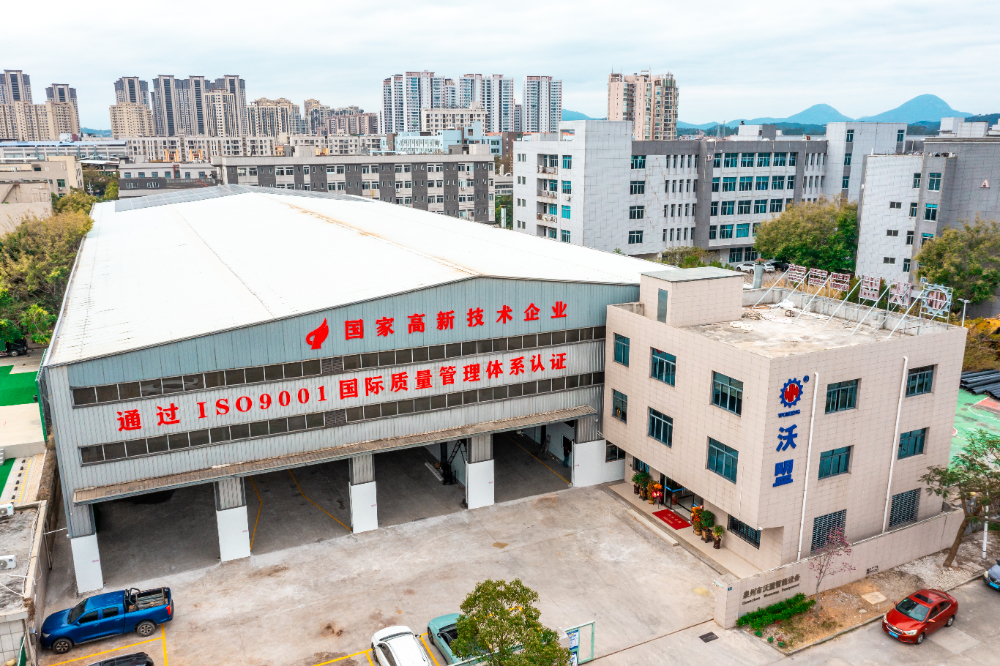
In an industry where every second counts, the latest advancements in diaper production technology are reshaping manufacturing landscapes. The introduction of Servo Disposable Diaper Machines marks a significant leap forward, combining precision engineering with unprecedented automation to streamline operations. At Womeng, we are proud to be at the forefront of this innovation, offering solutions that boost efficiency while ensuring top-notch quality. In this blog post, you'll discover how these machines are not just enhancing production lines but also revolutionizing the way businesses approach disposable diaper manufacturing. Get ready to explore the cutting-edge features and real-world impacts that make Servo Disposable Diaper Machines a game changer in the market.
Streamlining Diaper Production with Advanced Servo Control
In modern diaper manufacturing, integrating advanced servo control systems has revolutionized production lines by enabling precise, high-speed operations. Unlike traditional methods, these systems use smart algorithms to adjust motor movements in real-time, reducing material waste and ensuring consistent product quality. This shift not only boosts efficiency but also allows for flexible customization, meeting diverse market demands seamlessly.
A key advantage of advanced servo control is its ability to enhance energy efficiency and reduce downtime. By optimizing acceleration curves and minimizing mechanical stress, these systems prolong equipment lifespan and lower maintenance costs. In practical terms, diaper producers can achieve smoother production flows, fewer stoppages, and faster changeovers between product types, giving them a competitive edge in a fast-paced industry.
Looking ahead, the adoption of servo technology supports sustainability goals by enabling more eco-friendly processes. With finer control over material usage and reduced scrap rates, manufacturers can minimize environmental impact while maintaining high output. This approach not only aligns with global trends but also appeals to consumers increasingly conscious of product origins and production ethics, making it a strategic investment for future growth.
Boosting Output Through Intelligent Automation Systems
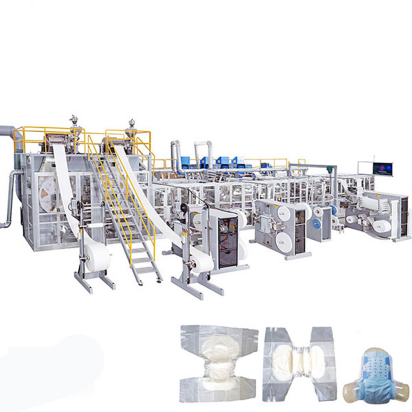
At its core, an intelligent automation system transforms how businesses handle repetitive tasks by integrating artificial intelligence with robotic process automation (RPA). This synergy doesn't just speed up processes—it enables systems to learn from data patterns and make adaptive decisions without constant human oversight. Imagine a scenario where invoice processing, which once took hours of manual data entry, now flows seamlessly through a digital pipeline that identifies discrepancies and flags anomalies in real time. The result is a dramatic reduction in errors and a significant uptick in throughput, allowing teams to refocus on strategic initiatives rather than getting bogged down in administrative chores.
What sets modern automation apart is its ability to scale intelligently across diverse operational landscapes. Unlike rigid, rules-based tools of the past, these systems leverage machine learning algorithms to evolve alongside changing business needs. For instance, in customer service, they can analyze sentiment in incoming queries to prioritize urgent cases or even suggest personalized responses, boosting both efficiency and satisfaction. By embedding such cognitive capabilities, organizations not only amplify their output but also cultivate a more responsive and agile workflow that adapts to market dynamics, ensuring sustained competitive advantage.
Beyond mere task automation, intelligent systems foster innovation by uncovering insights that might otherwise remain hidden in vast datasets. They process information at a pace and depth unattainable by human teams, generating actionable intelligence that drives smarter decision-making. In manufacturing, for example, predictive maintenance powered by these systems can anticipate equipment failures before they occur, minimizing downtime and maximizing production continuity. This proactive approach doesn't just enhance output—it reshapes operational paradigms, turning data into a strategic asset and empowering businesses to achieve new heights of productivity and innovation.
Reducing Downtime with Precision Engineering in Diaper Machines
Precision engineering plays a crucial role in minimizing machine downtime, a persistent challenge for diaper manufacturers. By incorporating advanced sensors, real-time monitoring systems, and robust materials, these machines can detect minor anomalies before they escalate into full-blown failures. This proactive approach not only reduces unexpected halts but also extends the lifespan of critical components, ensuring smoother operations.
Consider how precision engineering transforms maintenance routines from reactive to predictive. With high-precision components designed to fit perfectly, wear and tear is minimized, and adjustments can be made with pinpoint accuracy. This level of detail prevents common issues like misalignments or jams, which often lead to prolonged stoppages, allowing production lines to maintain consistent output with fewer interruptions.
In practice, adopting precision engineering in diaper machines translates to significant cost savings and enhanced productivity. Manufacturers benefit from less frequent repairs, reduced material waste, and optimized energy use, all contributing to a more reliable manufacturing environment. By focusing on exacting standards, companies can stay ahead in a competitive market, delivering high-quality products without the setbacks of frequent downtime.
Innovating Hygiene Manufacturing with User-Friendly Interfaces
Gone are the days when hygiene manufacturing relied solely on bulky machinery and complex control panels that only experts could navigate. Today, the industry is embracing a wave of innovation centered on user-friendly interfaces, shifting the focus from mere functionality to intuitive human interaction. This transformation isn't just about adding touchscreens; it's a holistic redesign that integrates smart sensors, real-time data visualization, and simplified workflows, allowing operators of all skill levels to monitor processes, adjust parameters, and troubleshoot issues with ease. By reducing the learning curve and minimizing human error, these interfaces are paving the way for more efficient production lines that maintain higher standards of cleanliness and safety.
Imagine walking onto a factory floor where every machine communicates its status through clear, color-coded dashboards that highlight potential risks before they escalate. User-friendly interfaces in hygiene manufacturing are making this a reality by employing predictive analytics and interactive guides that adapt to user inputs. For instance, a new employee can quickly learn sanitation protocols via step-by-step on-screen instructions, while seasoned technicians delve into advanced diagnostics with just a few taps. This seamless blend of accessibility and depth not only boosts productivity but also fosters a culture of continuous improvement, as feedback from users directly shapes future interface updates and manufacturing refinements.
Beyond the immediate benefits of smoother operations, these innovations are reshaping entire supply chains by enhancing traceability and compliance. With user-friendly interfaces, tracking product batches, monitoring environmental conditions, and generating audit-ready reports become straightforward tasks, no longer buried in dense manuals or scattered logs. This transparency empowers teams to respond swiftly to regulatory changes and consumer demands, turning hygiene manufacturing into a more agile and customer-centric field. Ultimately, by prioritizing intuitive design, the industry isn't just upgrading equipment—it's crafting a smarter, more resilient future where every interaction reinforces quality and trust.
Creating Sustainable Efficiencies in Disposable Product Lines
In today's fast-paced consumer market, disposable product lines often grapple with the dual challenges of meeting demand while minimizing environmental impact. By integrating circular economy principles, companies can transform single-use items into more resource-efficient offerings. For instance, redesigning packaging to use biodegradable materials not only reduces waste but also appeals to eco-conscious customers, creating a competitive edge that goes beyond mere convenience. This shift requires rethinking supply chains—from sourcing raw materials to end-of-life disposal—ensuring each step contributes to a lighter ecological footprint without compromising on quality or affordability.
Innovations in manufacturing processes play a crucial role in boosting sustainability for disposables. Leveraging advanced technologies like AI-driven automation and energy-efficient machinery can cut down on production waste and energy consumption significantly. Imagine a scenario where smart sensors optimize material usage in real-time, preventing overproduction and minimizing scrap. Such efficiencies not only lower operational costs but also align with global sustainability goals, turning disposable products from environmental liabilities into examples of responsible innovation that resonate with stakeholders and regulators alike.
Beyond production, fostering consumer engagement is key to sustaining these efficiencies. Educating users on proper disposal methods, such as composting or recycling, extends the lifecycle of disposable items and reduces landfill contributions. Brands can lead by example, offering take-back programs or incentives for returning used products. This holistic approach builds brand loyalty and drives industry-wide change, proving that even in the realm of disposables, small, thoughtful adjustments can yield lasting benefits for both business and the planet.
Transforming Production Floors with Customizable Servo Solutions
In today’s fast-paced manufacturing landscape, the integration of customizable servo solutions is revolutionizing production floors by offering tailored precision and adaptability. Unlike off-the-shelf systems, these solutions are designed to meet specific operational needs, allowing manufacturers to fine-tune performance for unique applications such as robotics, packaging, or assembly lines. This flexibility not only enhances efficiency but also reduces downtime, as equipment can be quickly reconfigured to handle new tasks or product variations, giving companies a competitive edge in dynamic markets.
By leveraging advanced servo technology, businesses can achieve smoother motion control and higher accuracy, which directly translates to improved product quality and reduced waste. Customizable options enable seamless integration with existing machinery, minimizing disruption during upgrades and ensuring a cohesive workflow. This approach supports scalable growth, as production lines can be easily expanded or modified without requiring complete overhauls, making it a cost-effective strategy for long-term success.
Beyond technical benefits, adopting customizable servo solutions fosters innovation by empowering teams to experiment with new processes and designs. It encourages a proactive work culture where adjustments are made swiftly in response to market demands, leading to faster turnaround times and increased customer satisfaction. Ultimately, this transformation on production floors is not just about automation; it’s about building resilient systems that evolve alongside industry trends, securing a future-ready operation.
FAQ
Servo technology enables precise control of machine movements, increasing operational efficiency by reducing waste and downtime. This leads to higher production speeds and consistent product quality, making it a game-changer in manufacturing.
By minimizing material waste and optimizing energy consumption, these machines cut costs significantly. Their reliability also lowers maintenance expenses, providing a strong return on investment for manufacturers over time.
Yes, its programmable servo systems allow quick adjustments for various sizes and styles, enabling manufacturers to meet diverse market demands without lengthy retooling processes.
The machine includes advanced sensors and emergency stop mechanisms to protect operators and prevent malfunctions. Automated monitoring systems further enhance workplace safety by detecting potential issues early.
Automation ensures uniform tension, cutting, and sealing across all diapers, eliminating human error. This results in products that meet strict quality standards every time, boosting brand reliability.
Operators need basic training on the control interface and troubleshooting, as the user-friendly design simplifies complex tasks. Ongoing support helps teams maximize machine performance efficiently.
Its precision reduces material overuse, cutting down on waste. Energy-efficient servo motors also lower carbon emissions, supporting sustainable manufacturing practices in the industry.
Conclusion
The Servo Disposable Diaper Machine represents a transformative leap in hygiene manufacturing, leveraging advanced servo control systems that streamline production processes and boost operational efficiency. By integrating intelligent automation, these machines significantly enhance output while minimizing human intervention, ensuring consistent quality across disposable product lines. The precision engineering inherent in servo technology reduces downtime through reliable, high-speed performance, allowing facilities to meet growing market demands without compromising on reliability or performance standards. This innovation not only optimizes production floors but also supports sustainability goals by creating more efficient use of resources and reducing waste in manufacturing.
Furthermore, customizable servo solutions offer user-friendly interfaces that empower operators to adapt machines to specific production needs, fostering a flexible and responsive manufacturing environment. By transforming traditional production floors with these innovations, the Servo Disposable Diaper Machine drives forward hygiene manufacturing, aligning with modern trends towards automation and eco-efficiency. This holistic approach to disposable diaper production ensures that companies can achieve higher throughput, lower operational costs, and improved product consistency, ultimately setting new benchmarks in the industry for both performance and sustainability.
Contact Us
Contact Person: Jessie Lai
Email: [email protected]
Tel/WhatsApp: 86-188594442931
Website: https://www.wm-machinery.com