

Second Hand Loaders Factory: What to Look for Before Making a Purchase
2026-06-11
Buying a used loader can be a smart investment—if you know what to look for. A second-hand machine from a reputable factory often delivers the performance you need without the new-equipment price tag, but hidden issues can turn a bargain into a costly mistake. From undercarriage wear to hydraulic leaks, every detail matters. At JILIANG CHI, we’ve seen how a thorough inspection can make all the difference. In this guide, we’ll walk you through the critical checkpoints so you can shop with confidence and avoid common pitfalls.
Assessing the Machine's Work History
Understanding a machine's work history involves reviewing operational logs, maintenance records, and performance data over time. This data reveals patterns such as peak usage periods, common failure points, and the overall reliability of the equipment. By analyzing these trends, technicians can move beyond reactive fixes and adopt a proactive maintenance approach, ultimately reducing unexpected downtime and repair costs.
Detailed work histories also support smarter decision-making when it's time to upgrade or replace machinery. When you can compare the long-term performance of different models or track the gradual decline in efficiency of a single unit, budgeting for new investments becomes a data-driven process rather than guesswork. Additionally, this historical perspective often highlights operational practices—like overloading or improper settings—that may be shortening the machine's lifespan.
Beyond maintenance and purchasing, a thorough work history analysis serves as a critical tool for safety and compliance. Equipment that has experienced repeated stress, unauthorized modifications, or missed inspections can pose serious risks. Regular audits of work logs help ensure that every machine meets regulatory standards and internal safety protocols, protecting both employees and the bottom line.
Critical Wear Points to Inspect Firsthand
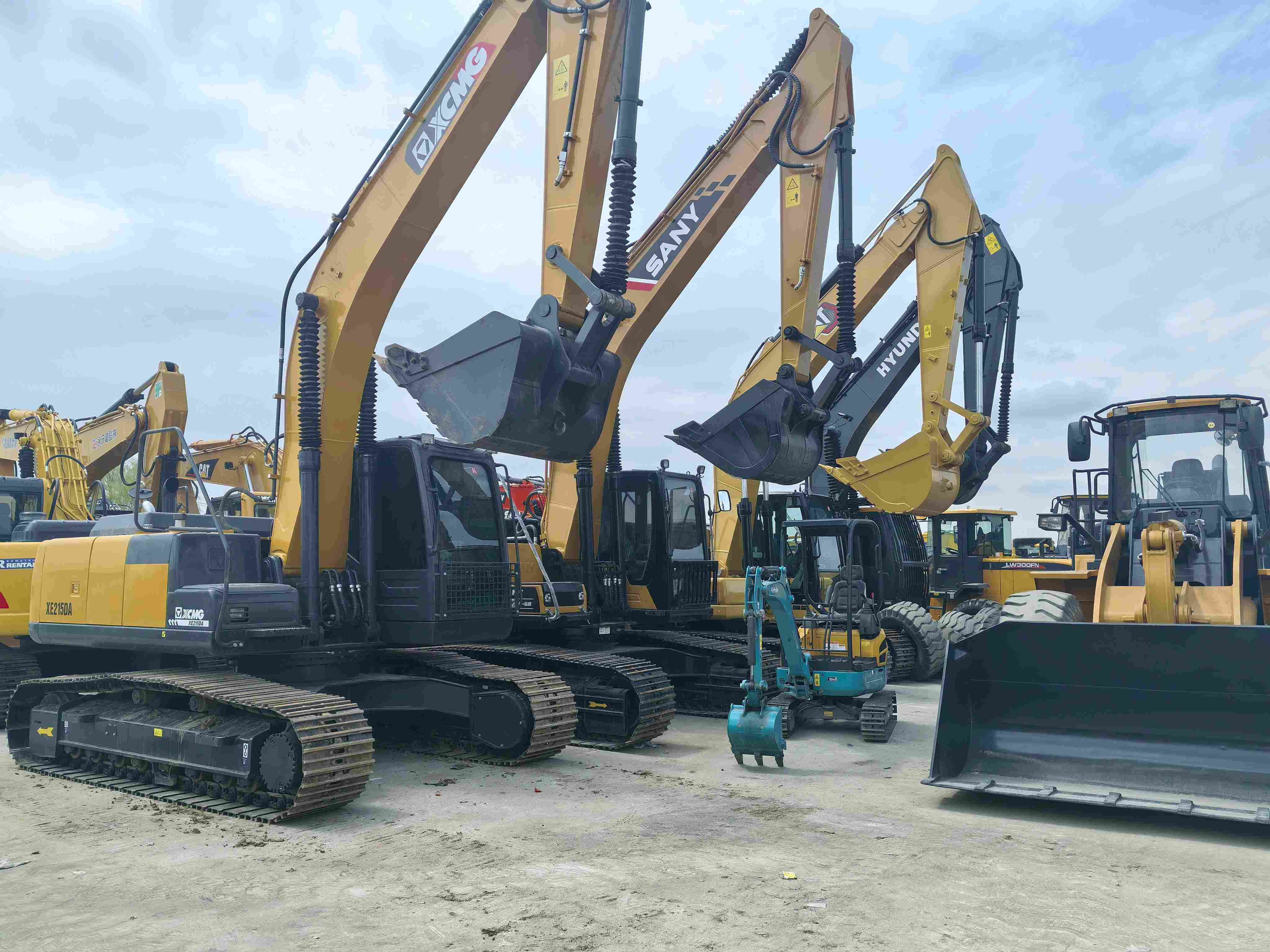
When it comes to maintaining heavy machinery, walking around the equipment yourself beats any report or sensor data. You’ll spot things that automated checks miss—like hairline cracks forming near weld joints or uneven wear patterns on crawler tracks that only show under certain loads. The most telling signs are rarely where you’d expect them, and they demand a trained eye to separate harmless scuffs from genuine fatigue indicators.
Start with the high-cycle areas: pivot pins, bushings, and articulation joints. Run your hand along hydraulic cylinder rods—if you feel pitting or see chrome flaking, that’s a failure waiting to happen. Don’t skip the underside either. Mud and debris often hide scoring on telescopic booms or crushed seals. Another often-missed spot is the track frame, where subtle dimples can signal internal roller damage. These flaws won’t trigger alarms until it’s too late.
Pay extra attention to load-bearing welds and bolted connections. A faint rust stain trailing from a bolt head usually means it’s working loose. Tap suspicious areas with a hammer—dull thuds versus crisp rings tell you everything about hidden delamination or internal cracks. Ultimately, it’s about building a mental map of what “normal” looks like, so any deviation jumps out immediately. That kind of nuance is something you can’t delegate to a tablet screen.
Decoding Maintenance Logs with a Skeptical Eye
Reading maintenance logs demands more than a quick scan—it requires peeling back layers of technical jargon and polite phrasing. A “routine check” might mask a persistent leak, while “components replaced as per schedule” often glosses over why they failed early. Train yourself to spot vague terms: when a log says “system recalibrated,” ask whether that fixed a symptom or the root cause. Notice gaps in time stamps too, because a three-hour blank between entries rarely means nothing happened. The real story hides in what isn’t written outright.
Context shifts everything. A log entry like “temperature within normal range” reads differently once you know the sensor had been drifting for weeks before that note was made. Cross-checking with earlier reports can unravel patterns—say, a cooling unit gradually working harder before an unceremonious “fan assembly serviced” line. Treat every entry as a fragment, not a verdict, and question the hand behind it. Was the writer incentivized to downplay? Did shift handovers blur crucial details? Skepticism turns raw data into a narrative you can actually use.
Beyond the obvious, watch for the quiet drift of operational thresholds. When a pump’s vibration is noted as “acceptable” month after month, it’s easy to miss that “acceptable” once meant a much tighter bound. Categorize anomalies by their frequency, not just severity—a dozen minor oil top-ups hint at a bigger problem than a single major repair. And never ignore the human element: a terse “no findings” from a tired technician at 3 a.m. might mean a thorough inspection was never truly done. The logs aren’t the truth; they’re a record shaped by perception, pressure, and time.
Matching Loader Specs to Your Jobsite Realities
Loader specs on a brochure might look impressive, but they're just numbers until you picture them on your site. A machine with massive breakout force doesn't do much good if the undercarriage can't handle soft ground, and a high-flow hydraulic system wastes fuel when you're only moving loose fill. Start by listing the real-world limits: access widths, lift heights for your trucks, and the weight of the typical material you'll handle. Then cross-check those against the fine print in the spec sheet—not just maximums, but ratings at real operating weights and speeds.
Engine power and bucket size get all the attention, but cycle time is where specs meet reality. On a cramped urban site, a compact loader with a tight turning radius and creep control can outwork a larger machine that's constantly repositioning. If you're loading into high-sided dumpers, dig into the dump clearance and reach at full lift—not just the pin height. And don't ignore fluid capacities and cooling performance when you're working in dust or heat; a derated engine can turn a 175-hp loader into a slug.
One often-overlooked detail is how the loader's weight distribution and tire options align with your underfoot conditions. A spec sheet might show solid stability, but if you're running on slopes or through mud without the right ballasting, you'll lose traction and burn extra fuel. Likewise, counterweight offerings aren't all the same—a heavy counterweight improves tipping load on paper but can sink the rear end in soft ground. The key is to test, or at least simulate, the actual load-and-carry routes, not just the pit floor. That's where you find out whether the published specs translate into real productivity or just leave you frustrated.
Negotiating Beyond the Price Tag
True deal-making isn’t about who blinks first on the sticker number. It’s about uncovering the layers that matter more once the ink dries. Think delivery timelines that keep your operation humming, payment terms that ease cash flow, or bundled services that eliminate future headaches. When you stop staring at the bottom line and start trading in these currencies, the conversation shifts from concession to collaboration. You’re no longer haggling—you’re designing an outcome that works.
Every vendor has wiggle room in places you might not expect. A rushed supplier might trade a discount for a longer lead time; a service provider could throw in training or extended support instead of lowering their rate. The trick is asking questions that reveal what they value just as much as what you need. Are they trying to fill a production gap? Eager to break into your market? Their hidden incentives are your leverage. Frame your asks around helping them solve their own quiet pressures, and suddenly doors open that a purely price-focused negotiation would keep bolted shut.
And don’t overlook the soft stuff that compounds over time. A repair clause with a 24-hour guarantee, the right to renegotiate if material costs swing wildly, or a simple handshake that your contact will stay assigned to your account—these build a deal’s real backbone. Chasing the lowest price often strips away these safeguards, leaving you exposed when things go sideways. Anchor your asks in longevity and mutual gain, and you’ll walk away not just with a signed contract, but with a relationship that’s built to last.
Factory-Backed Support vs. Independent Dealer Promises
When you buy equipment directly from a manufacturer, the support you receive isn’t just a verbal assurance—it’s structured, accountable, and backed by a network that depends on your long-term satisfaction. Factory-backed support means access to engineers who designed the product, warranty coverage that isn’t outsourced to the lowest bidder, and service protocols that match the original specifications. Independent dealers might promise the same level of care, but without the direct line to manufacturing resources, those promises can crumble under pressure.
Independent dealers often win on price or local convenience, and a handshake might feel more personal than a corporate portal. The catch is that their promises are only as reliable as the shop’s reputation and staffing. A mismatch in parts, a technician who cuts corners, or a sudden closure of the dealership can leave you holding a product nobody else will touch. Factory-backed support spreads risk across a broader infrastructure, so your issue doesn’t become a single point of failure in someone’s busy week.
There’s a place for both models, but the distinction matters most when something goes wrong. With factory-backed support, the resolution path is already paved with diagnostic tools, training updates, and a steady supply of genuine components. Independent dealers may get creative with fixes, but creativity doesn’t always align with longevity. Those who repair their own reputation by honoring promises eventually thrive, yet until you’ve seen how a dealer handles a crisis, the factory’s umbrella tends to shield you from the worst of the weather.
FAQ
Focus on the machine's total operating hours, maintenance logs, and the kind of work it was used for. Also, inspect the physical condition of the boom, bucket, and undercarriage, and don’t ignore signs of fluid leaks or recent paint jobs that might hide damage.
Ask for service records and look for consistent oil changes, filter replacements, and documented repairs. A clean, organized engine bay and evenly worn tires are good indicators. Irregular maintenance often signals future breakdowns.
Yes, but not exclusively. Premium names like Caterpillar or Komatsu tend to have better parts availability and resale value. However, a well-kept lesser-known brand can outperform a neglected top-tier model. Always judge the individual machine’s condition over brand reputation.
Listen for unusual engine noises, check for excessive smoke, and test the hydraulics under load. Play in the pivot joints, sloppy controls, and cracks in the frame or loader arms are red flags. Pay attention to the electrical system—faulty wiring can lead to endless headaches.
Absolutely. A skilled inspector can spot problems you might miss, like internal engine wear or structural fatigue. They’ll also give you an unbiased estimate of remaining component life, helping you avoid costly surprises.
Some factories offer limited warranties covering major components like the engine and transmission for a short period. Others sell as-is. Always read the fine print—what’s excluded is just as important as what’s covered. Consider negotiating a warranty if it’s not standard.
Conclusion
Before committing to a second-hand loader from a factory, you need to dig into its real work history—not just the hours on the meter, but the kind of jobs it tackled. A loader that spent years in a sandpit will have different hidden damage than one used for snow removal. Get specific: what materials did it move, how many owners has it had, and were there any major repairs? Then, kick the tires yourself. Focus on critical wear points—pins, bushings, bucket edges, and hydraulic cylinders—because these reveal the true cost of upcoming maintenance. Don't let a fresh paint job fool you; rust underneath or poorly done welds can signal deeper fatigue.
Maintenance logs are your next truth serum, but read them with a skeptical eye. Gaps in service records or vague entries like 'routine check' might hide skipped repairs. Cross-reference with the engine hours and wear patterns to see if the story adds up. Even if the loader checks out mechanically, you must match its specs—lift capacity, bucket size, tire type—to your actual jobsite demands, or you'll end up with an expensive mismatch. When pricing, negotiate beyond the sticker: a loader with undocumented service history should command a lower price, and thrown-in attachments or a short warranty can sweeten the deal. Finally, compare factory-backed support against independent dealer promises—genuine factory backing often means faster access to proprietary parts and trained technicians, which can save you days of downtime. In short, a thorough, hands-on inspection combined with a skeptical review of documentation will help you avoid a money pit and find a loader that earns its keep.
Contact Us
Contact Person: Sally Xiao
Email: [email protected]
Tel/WhatsApp: 086-18221477398
Website: http://www.shjiliangchi.com/