

Second Hand Excavators Export: Your Ultimate Guide to Global Markets
2026-06-04
Looking to navigate the complex world of used excavator exports? Whether you're targeting emerging markets or expanding your global footprint, the demand for reliable, cost-effective machinery has never been higher. But where do you start, and how do you avoid costly pitfalls? This guide breaks down everything you need to know—from top destinations to import regulations—and introduces a trusted partner: JILIANG CHI, a name synonymous with quality and efficiency in the second-hand heavy equipment trade. Ready to dig deeper?
发掘潜力:哪些地区最渴求二手挖掘机?
Across the globe, pockets of rapid urbanization and resource extraction are driving a quiet surge for pre-owned heavy machinery. Places where budget constraints meet ambitious infrastructure plans often turn to used excavators as a practical shortcut to break ground faster. It's not just about saving money; it's about mobilizing reliable equipment that can be deployed immediately, without the long lead times of factory orders. Local contractors in these regions know that a well-maintained used machine can deliver the same dirt-moving power as a new one, while keeping project cash flows flexible.
Southeast Asia stands out, with countries like Vietnam, Indonesia, and the Philippines expanding their ports, roads, and residential zones at a breathless pace. In Africa, nations such as Nigeria, Kenya, and Tanzania are establishing mining operations and agricultural processing hubs that rely heavily on earthmoving fleets. South America, too, shows hunger in markets like Peru and Colombia, where mountain road construction and mineral extraction create constant demand. Even parts of Eastern Europe, rebounding from economic slowdowns, seek affordable excavators for urban renewal projects. These regions share a common thread: a need to build now, using proven technology that comes with a lower barrier to entry.
出口前必做的机械“体检”清单
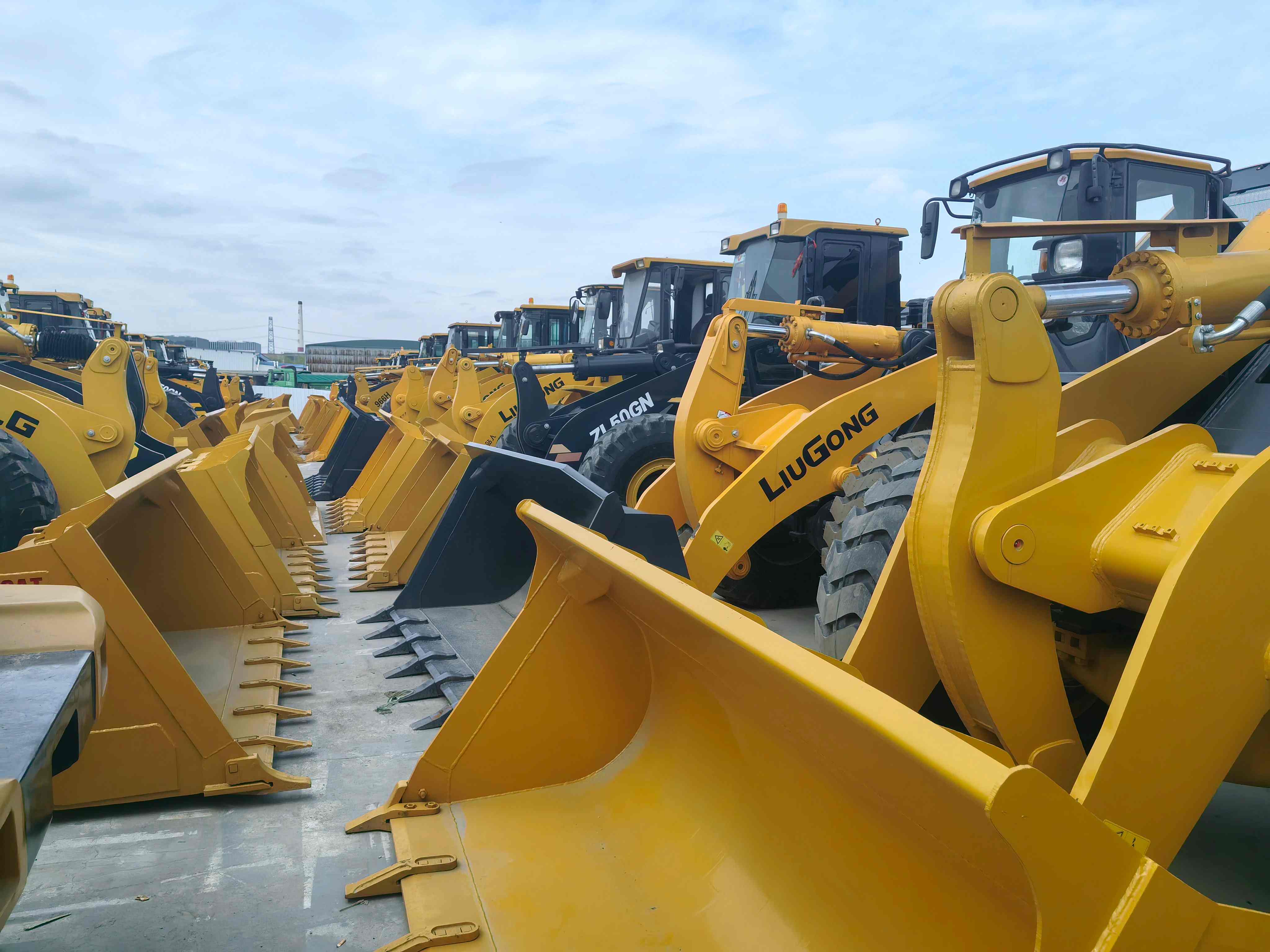
Shipping machinery overseas without a final once-over is like skipping a vital medical checkup before a big trip—risks that are easily avoided. A pre-export machinery inspection acts as that thorough physical, catching issues that could turn into costly returns or safety hazards at the destination. It’s not just about confirming the paint job is intact; it’s about verifying every bolt, sensor, and safety guard performs exactly as designed under real-world conditions.
A practical checklist goes beyond a simple visual sweep. Start with function tests—run the machine through its full cycle, check for abnormal vibrations, and ensure emergency stops react instantly. Fluid levels, electrical connections, and wear parts demand attention, especially if the unit sat idle post-production. Documentation is equally critical: labels, manuals, and warning decals must match the target market’s language and regulatory requirements. Even something as small as a missing CE mark or a faded safety sticker can hold up customs clearance.
Treating the checklist as a non-negotiable step reshapes your export reliability. When a machine arrives overseas and fires up without a hiccup, it builds trust no marketing budget can buy. Dealers and end-users remember which manufacturers consistently deliver turnkey readiness. In competitive markets, that quiet consistency is what turns first-time buyers into long-term partners, all because someone took an extra hour to sweat the small stuff before the container doors closed.
规避跨国交易中的隐性成本陷阱
When money crosses borders, the sticker price is rarely the final cost. Banks and payment processors often layer on fees that aren't immediately obvious—intermediary deductions, padded exchange rates, and settlement delays that eat into your margins. These hidden charges can turn what looks like a profitable deal into a break-even headache.
A common culprit is the foreign exchange markup. Many institutions advertise low transfer fees but bury their profit in a spread several percentage points above the mid-market rate. Then there are correspondent bank fees, which can appear days later without warning, and local clearing costs that vary wildly by region. Even regulatory compliance expenses, like anti-money laundering checks, sometimes get passed along silently.
To sidestep these traps, insist on full fee breakdowns upfront and compare not just headline rates but the actual amount your recipient will receive. Multi-currency accounts and specialist transfer services often provide more honest pricing than traditional banks. And never ignore the timing cost: a "free" transfer that takes a week can wreck a supplier relationship or cause inventory shortages that are far more expensive than a few dollars in fees.
包装与海运:让挖掘机安然抵达目的地
The journey begins long before the excavator touches the ocean. A durable, custom-built steel frame cradles the machine, securing critical components like the boom and cab. All openings are sealed against salt spray, while hydraulic systems are depressurized and locked to prevent internal damage. Each machine is wrapped in multiple layers of weather-resistant sheeting, shielding it from moisture and UV exposure during transit.
On deck, the excavator is anchored to the vessel with heavy-duty chains and twist locks, absorbing the constant motion of the waves. Strategic placement on the ship minimizes exposure to crashing seas, while routine inspections verify the integrity of the packaging and lashings. For extra security, sensitive electronics receive an anti-corrosive coating and are housed in vapor-proof enclosures.
Upon arrival, the excavator undergoes a detailed inspection before being released to the customer. Any condensation that formed during the voyage is addressed, and the machine is prepared for immediate operation. This meticulous approach to packaging and sea freight ensures that even the heaviest machinery arrives in factory-fresh condition, ready to tackle the next project.
各国进口规则迷宫:快速通关秘籍
Every country's import regulations feel like a unique maze, but the secret to fast clearance lies in doing your homework before the shipment even leaves. Start by thoroughly researching the destination's tariff classifications, restricted goods lists, and any special certificates that might be required. A little time spent decoding the rules upfront prevents costly delays at the border.
Paperwork is your passport through customs. Ensure commercial invoices are detailed and accurate, with clear descriptions of goods, quantities, and values. Missing or vague documentation is the most common reason shipments get stuck. Consider enlisting a local customs broker who knows the system's quirks—their expertise can turn a bureaucratic nightmare into a smooth process.
Finally, think long-term. Joining trusted trader programs like AEO (Authorized Economic Operator) can speed up future shipments. Also, use free trade agreements to your advantage—correctly claiming preferential duties not only saves money but often streamlines inspection procedures. The maze never disappears, but with the right tools, you'll move through it almost on autopilot.
从交易到长期合作:构建海外客户信任
It starts with genuinely understanding what your clients need, not just what they're buying. When you take the time to learn about their local market pressures, cultural nuances, and long-term goals, the conversation shifts from price and delivery dates to shared ambitions. That's when the walls come down and real collaboration begins.
Reliability is the quiet engineer of trust. It's the email answered within an hour when they least expect it, the sample that arrives a day early, the proactive heads-up about a delay before it becomes their problem. These small consistencies tell a client you see the relationship as a marathon, not a sprint.
Trust grows in the gaps between transactions—during the casual check-in call, the holiday greeting tailored to their culture, the thoughtful question about their business that has nothing to do with your product. When you invest in these moments, you transform from a vendor into a partner they'd hesitate to replace.
FAQ
Pre-owned excavators often deliver massive savings compared to brand-new models, letting you get dependable equipment at a fraction of the cost. Depreciation slows significantly after the first few years, so you retain more resale value if your project needs change. Spare parts and service know-how are widely available for popular older brands, reducing downtime. Many contractors find that a well-maintained used machine can handle tough job sites just as effectively, freeing up capital for other parts of the business.
Southeast Asia, Africa, and the Middle East are seeing a steady flow of second-hand excavator imports, largely driven by infrastructure booms and mining projects. South America is also a consistent buyer, especially for mid-size machines used in construction and agriculture. Each region has its own preferences—for instance, you'll encounter a strong demand for robust 20-ton excavators in East Africa, while Southeast Asian markets often lean toward compact units for urban development.
You'll want to go beyond glossy photos. Request a detailed inspection report that covers engine hours, hydraulic pressure tests, and undercarriage wear. Pay close attention to the pins and bushings in the boom and arm—excessive play can indicate a hard life. Check for consistent maintenance records and any signs of welding on the arm or frame. If you can’t inspect it yourself, hire a local third-party agent who knows exactly what to look for and can send you real-time video walkthroughs.
The core paperwork includes a commercial invoice, a packing list, and a bill of lading. A certificate of origin is usually required to determine duty rates, and many countries insist on a cleaning certificate to prevent bringing in soil or pests. You might also need a manufacturer’s certificate of roadworthiness or an export declaration from the country of origin, depending on the specific route and local regulations. Always check with your customs broker before shipping—one missing document can hold up the machine for weeks.
Beyond the machine’s price tag, shipping and insurance are just the start. Port handling charges, customs brokerage fees, and import duties can stack up quickly. Don't overlook destination storage costs if clearance takes longer than expected. In some cases, you may need to cover minor modifications—like updating warning labels or lighting—to meet local standards. Inland transport from the port to your job site can be surprisingly steep, especially if you need a lowboy trailer and permits for oversized loads.
Quite a few developing nations enforce age limits—for example, a machine older than eight or ten years may be blocked at the border. Some also require a pre-shipment inspection by an accredited agency to verify the excavator’s condition and emissions tier. You may have to provide proof that the machine isn’t banned under local environmental laws. It’s wise to get a ruling from the destination’s customs authority early on, so you don't end up with a yard ornament that can’t be legally registered.
Start with established online heavy equipment marketplaces that verify seller identities and offer buyer protection. Check how long the exporter has been in business and look for genuine customer feedback—not just polished testimonials. Attending international trade shows, even virtually, lets you meet suppliers face-to-face and inspect machines via live video. It’s also worth asking for references from past international clients and arranging a video call to gauge how knowledgeable the seller really is about the export process.
Conclusion
The global appetite for second-hand excavators is surging, with regions like Southeast Asia, Africa, and the Middle East showing insatiable demand driven by infrastructure booms. Savvy exporters know that success hinges on thoroughly vetting the machine's hydraulic systems, engine hours, and structural integrity before shipping. Overlooking a pre-export checklist can lead to costly disputes, but hidden costs lurk beyond the mechanical—currency fluctuations, customs duties, and unexpected handling fees can silently erode profits if not anticipated.
Once the excavator passes inspection, meticulous packaging and sea freight logistics ensure it withstands the rigors of transit, from corrosion-resistant wrapping to proper securing inside containers. Each country presents a labyrinth of import rules; navigating these requires up-to-date knowledge of emissions standards, age restrictions, and documentation peculiarities. Ultimately, the key to thriving isn't just moving metal—it's building lasting trust with overseas buyers through transparent communication, reliable after-sales support, and honoring every promise, transforming single transactions into enduring partnerships.
Contact Us
Contact Person: Sally Xiao
Email: [email protected]
Tel/WhatsApp: 086-18221477398
Website: http://www.shjiliangchi.com/