

Red Light Therapy Manufacturer Insights: Choosing Quality Devices for Optimal Results
2026-06-10
When it comes to red light therapy, the difference between a device that delivers real results and one that merely lights up often comes down to who makes it. With countless brands flooding the market, savvy buyers and professionals are turning directly to seasoned manufacturers like GUANG TAI to cut through the hype. Understanding what goes on behind the scenes—from diode selection to safety certifications—can completely change the way you evaluate devices. Let’s pull back the curtain on what truly defines quality in red light therapy manufacturing.
Decoding Manufacturer Claims: What Really Matters in RLT Devices
When shopping for red light therapy devices, it's easy to get lost in a sea of impressive-sounding specifications. Manufacturers often tout high irradiance levels or unique wavelength combinations, but not all claims hold up under scrutiny. The key is to look past the marketing and focus on the details that actually influence results—like how irradiance is measured, the quality of the light source, and whether the device has been tested over time.
A common pitfall is the overemphasis on peak power without context. A device might boast 200 mW/cm², but if that measurement is taken right at the surface, it doesn't reflect what reaches the skin at a typical treatment distance. Beam angle, optics, and cooling all affect real-world output. Instead of chasing the highest number, consider the energy density delivered over a practical session and how evenly the light covers the target area.
Ultimately, reliability and transparency matter more than flashy specs. Look for devices that come with clear, third-party verified performance data and warranties that signal manufacturer confidence. Pay attention to user experiences over time—durability, consistent output, and ease of use often predict long-term satisfaction better than any brochure promise.
Beyond the Hype: Spotting Quality Construction in Light Therapy Tools
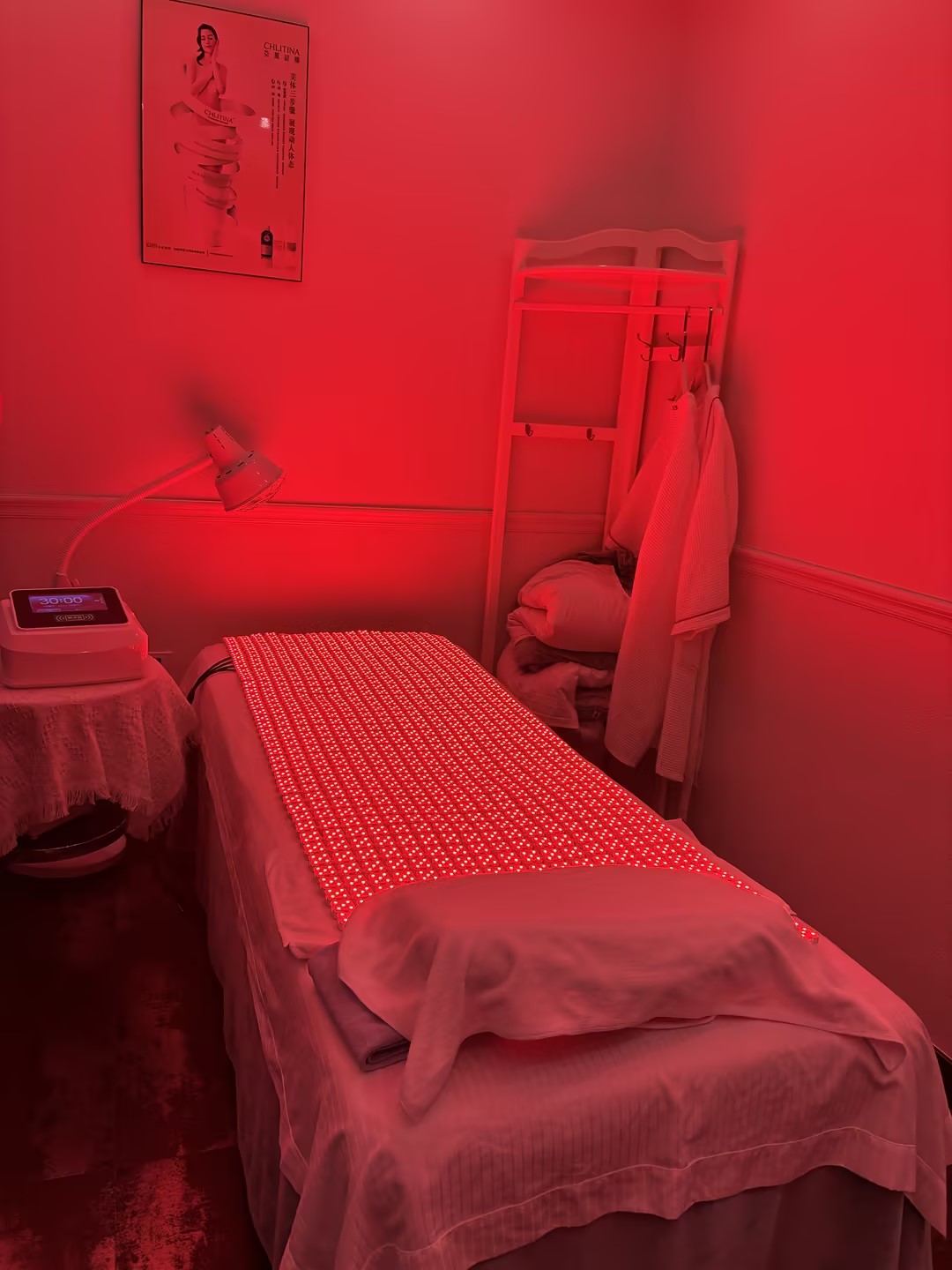
True quality in a light therapy device is rarely about the boldest claims or the sleekest casing. Instead, look closely at the LEDs themselves. The best tools use medical-grade diodes with consistent wavelength output, often verified by third-party testing. Cheaper devices may scatter light unevenly or drift in spectrum, which reduces effectiveness over time. Pay attention to how the light is dispersed—a well-engineered lens array or reflector ensures even coverage without hot spots, so you're not overexposing some areas while underexposing others. If the brand is transparent about their emitter specifications and provides spectral graphs, that’s a practical sign of a durable, properly built tool.
Another dimension to inspect is thermal management. Any decent light therapy unit generates heat, but how it handles that heat speaks volumes. Quality construction incorporates passive cooling elements like aluminum heatsinks or active cooling with whisper-quiet fans that don't disrupt the user experience. When a device overheats, not only does its lifespan shorten, but the wavelength stability can degrade, rendering sessions less reliable. Run your hand near the unit after a few minutes—excessive heat or audible straining fans are red flags. Thoughtful engineering here means the device can sustain longer, consistent treatments without performance dips.
Finally, don't underestimate the role of the housing and control interface. A solid, well-fitted enclosure that resists light leakage and feels substantial in hand suggests attention to detail beyond just the light source. Controls should be intuitive, not an afterthought—responsive buttons or dials that don’t require a manual to operate every time. A warranty longer than a year and accessible customer support also hint at a manufacturer confident in their build. When a tool combines these tactile and service-oriented elements with verifiable output specs, it transcends marketing hype and becomes a genuine therapeutic instrument built to last.
Wavelength Wisdom: Why the Right Light Spectrum Makes All the Difference
Light does far more than just illuminate a space—it communicates directly with our biology. The spectrum of light we're exposed to dictates everything from how alert we feel to how well we sleep at night. Think of cool blue-rich light as nature's morning coffee, boosting focus and productivity, while warmer amber tones gently cue your body to wind down. Overlooking this can leave you fighting your own internal clock, wondering why energy slumps or restless nights keep showing up.
When spaces are lit without regard for spectrum, the disconnect is palpable. Harsh, unbalanced light can wash out colors, strain eyes, and create an environment that feels sterile rather than supportive. In workplaces, it might erode concentration; in homes, it can sabotage relaxation. Choosing the right spectrum isn't a luxury—it's like picking the right fuel for a high-performance engine. Small shifts, such as tuning light temperature to match the time of day, can transform a room from energy-sapping to recharging.
The magic lies in tailoring light to context. A kitchen might benefit from crisp, neutral light that keeps you sharp while cooking, whereas a bedroom deserves soft, sunset-like hues that encourage melatonin production. Advances in tunable LEDs now put this control at your fingertips, letting you dial in a spectrum that suits your rhythm. It's a quiet but profound way to reclaim well-being, showing that the difference between good and great lighting is often a matter of wavelength wisdom.
The Power Behind the Panel: Evaluating Energy Output for Real Results
When we look at a solar panel, what we’re really seeing is an engine that converts sunlight into usable electricity. But not all engines perform the same way under real-world conditions. The key metric isn’t just the peak wattage stamped on the spec sheet—it’s how much energy the panel actually delivers over time. Factors like temperature, shading, and the angle of installation can dramatically alter output. A panel that excels in a lab might underperform on a rooftop unless its energy yield is evaluated against practical scenarios. That’s why measuring kilowatt-hours per day, not just maximum power, gives a truer picture of what you can expect.
To get meaningful numbers, you have to account for the entire energy chain. The panel’s efficiency rating tells you how well it converts light, but real results depend on consistent performance across varying light levels. High-efficiency panels often maintain better output in low-light conditions, but they may also cost significantly more. Balancing upfront investment against long-term energy production requires looking at degradation rates and warranty terms. A panel that loses less than 0.5% efficiency per year will far outperform a cheaper one that degrades faster, especially over a 25-year lifespan. It’s the subtle interplay of these factors that separates a smart investment from a disappointing one.
Beyond the panel itself, the surrounding system—inverters, wiring, and even the layout—shapes final energy delivery. A poorly matched inverter can clip excess power during peak hours, silently trimming your total harvest. Regular monitoring and occasional maintenance ensure that what you designed on paper translates to what you actually get. After all, the ultimate test is not a laboratory flash test but the cumulative output during the hazy mornings, overcast afternoons, and sweltering summer days. That’s the only evaluation that matters when your goal is reliable, day-in-day-out performance.
Safety First: Certifications and Testing That Protect Your Health
When you're choosing products for your home or body, it's easy to focus on design or price and overlook what's really keeping you safe. The certifications on the label aren't just fancy badges—they're the result of rigorous, often nerve-wracking tests that push materials to their limits. Think about the chair you sit on every day. To earn a GREENGUARD Gold certification, it must undergo weeks of testing in a sealed chamber where experts measure thousands of volatile organic compounds. If it passes, you can trust it won't quietly pollute your indoor air. That kind of peace of mind comes from behind-the-scenes science that most of us never see, but our lungs appreciate.
Behind every recognizable seal, there's a story of a product surviving the lab's worst. Take electrical appliances and the UL mark: engineers deliberately overload circuits, expose components to extreme humidity, and even simulate years of wear in a matter of days. They're not just checking if the toaster browns bread—they're making sure it won't start an electrical fire in your kitchen. Similarly, for water filters or plumbing, NSF testing isn't a one-time inspection. It involves ongoing audits and unannounced factory visits to confirm the system keeps removing lead and other contaminants as promised. These processes are so thorough because the alternative—cutting corners—has real-world consequences that no company wants on their conscience.
What sets truly safety-focused brands apart isn't just passing the minimum test—it's how they go beyond. Some voluntarily test for emerging contaminants that aren't yet regulated, like certain PFAS in cookware or microplastics in bottled water. Others put their personal care products through dermatological trials so rigorous that even people with eczema-prone skin can use them without a reaction. It's this proactive approach, not just compliance, that protects your health in ways you might never notice. When a product earns your trust, it's usually because someone, somewhere, built in safety margins so generous that you'll never encounter the failure point. That's the quiet commitment responsible manufacturers make every day.
From Lab to User: How Clinical Validation Shapes Your Therapy Success
Clinical validation is the rigorous bridge between promising lab results and real-world application. It transforms theoretical possibilities into proven solutions by testing therapies under conditions that mirror actual patient experiences. Without this step, even the most innovative ideas remain speculative, unable to deliver consistent outcomes for the people who need them.
This process involves more than just a single trial. It’s a continuous cycle of feedback and refinement. By collecting data from diverse patient populations and monitoring long-term effects, developers can identify what truly works and what doesn’t. That insight then gets woven back into the therapy, improving its design and delivery. Over time, this shaping effect leads to treatments that are not only backed by evidence but also tailored to handle the nuances of everyday care.
For users, clinical validation means arriving at a therapy that has already faced scrutiny and passed real-world tests. It reduces guesswork and builds a foundation of trust—because you’re not just hoping for a good outcome; you’re using something that has consistently demonstrated it can achieve one. This sense of reliability is often what turns a cautious trial into a confident, long-term commitment to a healthier life.
FAQ
Focus on the wavelengths used; a device should ideally offer both red (around 660nm) and near-infrared (around 850nm) light, as these penetrate different tissue depths. Also, check the irradiance (power density) – higher values mean faster treatment sessions, but beware of exaggerated claims. A well-built device with even light distribution and certified safety marks is a must.
Price differences often reflect the quality of LEDs, the precision of wavelengths, and the overall build. Medical-grade devices use consistent, high-output LEDs that maintain their spectral output over time, while cheaper units may have broad, imprecise spectra and inconsistent intensity. Durability, warranty, and after-sales support also add to the cost of premium models.
Reputable manufacturers provide third-party lab test reports for irradiance and spectrum. If these aren't available, you can use a solar power meter to roughly measure irradiance, but for precise wavelength verification, a spectrometer is needed. Pay attention to the distance at which measurements were taken – some brands inflate numbers by measuring very close to the LEDs.
Yes, look for FDA clearance (in the US) or CE marking (in Europe) which indicate basic safety compliance. Additionally, certifications like IEC 62471 for photobiological safety ensure the light won't harm your eyes or skin with normal use. EMC testing is also important to confirm the device doesn't emit harmful electromagnetic interference.
Irradiance determines the dose rate. For skin-level benefits, 40-100 mW/cm² is typically effective, while deeper tissue requires higher irradiance, often >100 mW/cm². However, total dose (fluence) matters more; you can achieve therapeutic fluence with lower irradiance by increasing treatment time, but the device needs to be powerful enough to deliver a useful dose within a reasonable session.
Quality-focused manufacturers tend to be transparent about their engineering process, offering detailed spectral graphs, performance curves, and clear usage guidelines. They often have a clinical or research background, publish case studies, and provide realistic before-and-after examples. Their customer support is knowledgeable and they don't rely on exaggerated marketing claims or gimmicky features.
High-quality panels using branded LEDs (like those from Cree or Osram) can last 50,000 hours or more before output degrades noticeably. They should include cooling features like fans or heat sinks to prevent overheating, which shortens LED life. The casing should be durable and easy to clean. Regular dusting and ensuring proper ventilation will help maintain performance over time.
Absolutely. Professional devices are built for higher output, more precise dosing, and continuous use. They often feature modular designs, sturdier construction, and better heat management. While consumer devices can be effective for personal use, they may lack the targeted penetrative power and durability needed in a clinical setting. For optimal results, match the device's intended use case to your needs.
Conclusion
When evaluating red light therapy devices, it's easy to get swept up in bold marketing promises, but real results depend on verifiable specifics. The most critical factor is the light spectrum: effective devices deliver precise wavelengths, typically 630–660 nm red and 810–850 nm near-infrared, which are backed by research for cellular benefits. Yet wavelength alone isn't enough—the energy output, measured as irradiance, must be sufficient to reach target tissues. Many budget panels fall short here, so checking third-party tested power density at practical distances is essential. Moreover, construction quality matters just as much as specs on paper. Look for robust heat management, like quality aluminum housings and cooling fans, because overheating degrades LED performance over time. High-grade LEDs from reputable manufacturers not only last longer but maintain spectral accuracy, avoiding the drift that undermines therapeutic effect.
Beyond the hardware, a trustworthy manufacturer prioritizes safety and transparency. Legitimate certifications such as FCC, CE, or FDA clearance indicate compliance with electrical and safety standards, reducing risks like eye damage or burns. But certifications only tell part of the story; clinical validation is what separates science from snake oil. Companies that invest in research, publish peer-reviewed studies, or use their own devices in clinical trials give you confidence that the product delivers consistent results. Avoid brands that hide behind vague "proven" claims without data. In the end, choosing a quality red light therapy device means looking past the hype and insisting on evidence: accurate spectrum, meaningful power, durable build, and a commitment to safety and validated performance. By focusing on these fundamentals, you ensure your investment translates into tangible wellness benefits.
Contact Us
Contact Person: Leon Yi
Email: [email protected]
Tel/WhatsApp: +86 17363316873
Website: https://zzgt.en.alibaba.com/