

Purification Panel Production Line: Best Design Practices for Efficiency
2026-08-03
In an era where cleanroom standards are more stringent than ever, the efficiency of purification panel production lines can make or break a manufacturer’s competitiveness. From material handling to precision welding, every step demands a design philosophy that minimizes waste and maximizes output. At YI ZHOU TECHNOLOGY, we've seen how the right integration of automation and process flow can transform a standard line into a benchmark of productivity. But what are the hidden pitfalls that slow you down, and how do the best-in-class facilities sidestep them? Let’s peel back the layers of a truly optimized production system.
Streamlining Workflow from Material Intake to Final Assembly
The moment raw materials hit the receiving dock, the clock starts ticking. Instead of letting them sit in staging areas hoping someone notices, we’ve built a system where every pallet is scanned, assigned a digital destination, and routed straight to the first processing station. No clipboards, no delay. The floor team gets real-time alerts on their tablets, and materials move with a kind of quiet momentum you can feel—less like a supply chain, more like a river finding its path.
Between intake and assembly, there’s a tendency for work to pile up in invisible queues. We tackled that by mapping out the actual flow, watching where parts linger, and then redesigning the handoff points. Fixtures got wheels, staging racks became mobile, and suddenly a process that used to drift between shifts now hums with a steady rhythm. It’s not about rushing; it’s about removing the pauses that grow into bottlenecks when no one’s looking.
On the assembly side, the streamlined intake means workstations never starve or drown. Kits arrive exactly when needed, and assemblers can stay in their zone instead of hunting for parts. That shift alone has sparked a noticeable change in morale—less firefighting, more building. By connecting material movement directly to assembly pacing, the whole workshop feels like it breathes together, and the final product shows it: fewer errors, tighter timelines, and a team that trusts the process.
Smart Automation Choices That Actually Reduce Bottlenecks
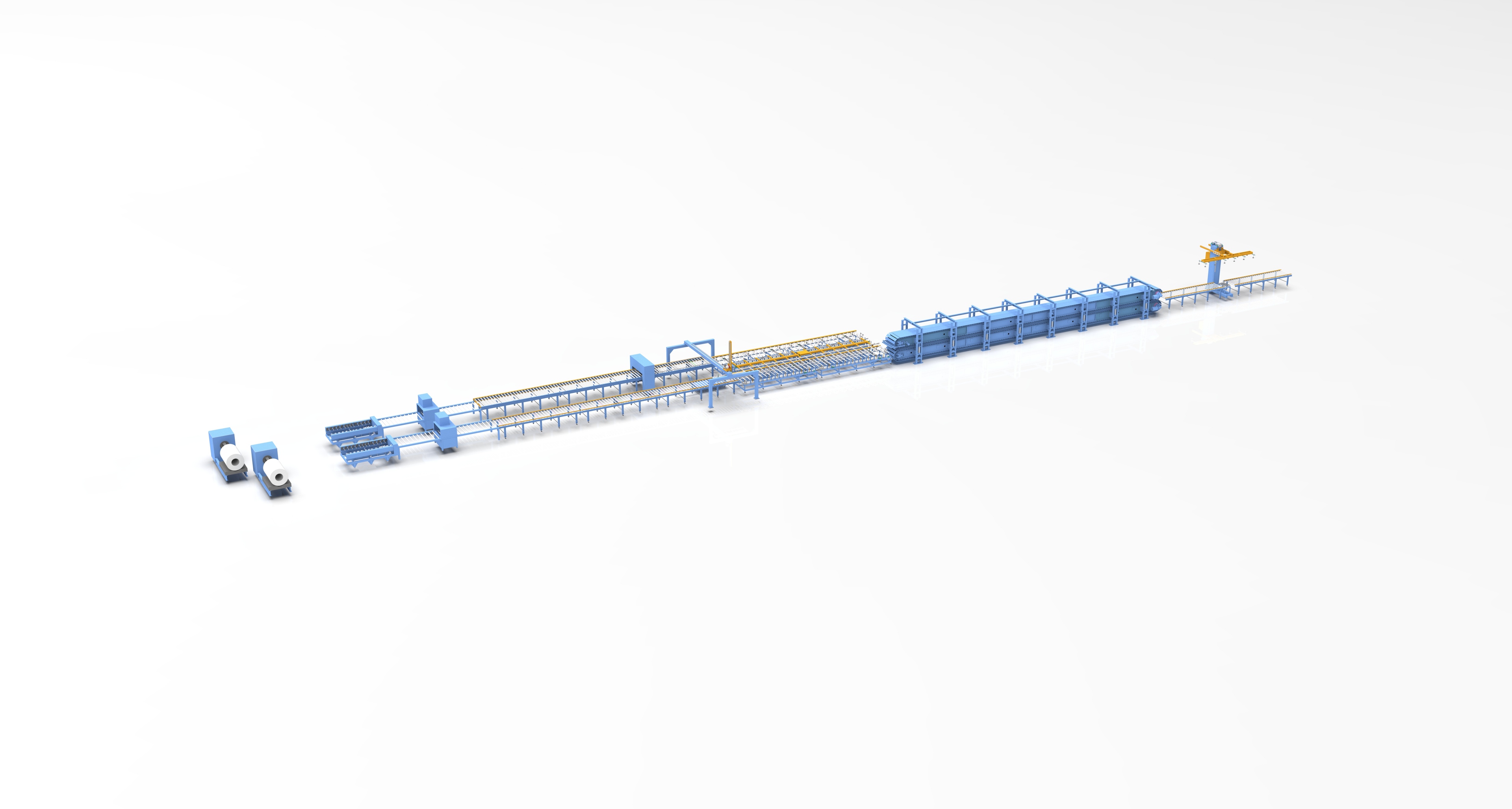
Not every automation tool delivers on its promise of smoother workflows. The key is to look past the flashy dashboards and focus on solutions that target the root cause of holdups, not just the symptoms. For instance, automated inventory systems that use real-time data can prevent overstocking and stockouts simultaneously, addressing two common pain points at once instead of just sending alerts after the fact.
Another often-overlooked approach is automating the handoff between teams. Tools that seamlessly pass tasks from sales to fulfillment without manual data entry cut down on the back-and-forth that typically eats up hours each week. It’s less about replacing human judgment and more about removing the repetitive steps that slow everyone down—like automatically generating shipping labels once a payment clears, which keeps packages moving without anyone having to lift a finger.
Finally, smart automation isn’t about doing more; it’s about doing the right things faster. Prioritize platforms that learn from your patterns and suggest workflow adjustments over time. A system that identifies where orders get delayed and reroutes tasks accordingly can quietly eliminate recurring logjams that have become so familiar they’re almost invisible.
Layout Engineering for Minimal Movement and Maximum Throughput
Trimming even a few unnecessary steps from a workflow can yield dramatic gains in output. In facility design, positioning interdependent workstations within arm’s reach eliminates wasteful transit and keeps momentum high. This approach turns spatial arrangement into a silent driver of productivity, where every square foot serves a deliberate purpose.
The principle extends beyond physical distance. Thoughtful orientation of tools and materials reduces twist-and-bend motions that add seconds per cycle but hours over a shift. By engineering layouts so that operators glide rather than scramble, throughput climbs without demanding faster motions—just smarter ones.
Equally important is adaptability. A layout that cannot evolve with product mix or volume changes quickly becomes a bottleneck itself. Modular work cells and reconfigurable pathways ensure that the system bends instead of breaks, preserving both flow and long-term investment.
Integrating Quality Checks Without Slowing the Line
Building quality assurance into the production flow demands a shift from isolated inspection stations to integrated checkpoints that move at the line’s own cadence. Instead of pulling parts off for lab measurements, manufacturers use inline sensors and camera systems that gather data on dimensions, surface finish, or assembly fit without interrupting the cycle. The real trick lies in positioning these checks right where defects typically emerge—say, after a critical fastening step—so that each unit passes through in seconds without ever stopping.
Equally important is arming operators with instant feedback loops. When a vision system flags a cosmetic flaw or a torque monitor catches an under-driven bolt, the alert goes straight to the person on the line, who can make a quick adjustment and avoid scrapping a whole batch. Simple visual cues—like a light that changes from green to yellow—often sidestep the need for lengthy screen reading, letting the team maintain rhythm while keeping quality in check.
The physical layout also plays a role. Some lines adopt a “quality bay” concept where a compact cluster of checks—weight, leak test, electrical continuity—happens in parallel to assembly, not after it. By the time the product reaches the final station, it’s already verified, so the line never idles waiting for a go/no-go verdict. This only works if the checks are fast by design, often using fixtures that dock with the product automatically, so no extra handling slows the flow.
Material Handling Innovations That Cut Waste and Wait Times
Warehouses are swapping out dated conveyor designs for modular systems that can be reconfigured in hours, not days. These setups slash idle time by letting teams redirect product flow on the fly, eliminating bottlenecks without full shutdowns. Combined with right-sized packaging stations that trim material waste, the floor stays agile and lean.
Automated guided vehicles now work alongside crews, learning traffic patterns through simple floor marking updates instead of complex programming. They don’t just move pallets—they prioritize urgent loads based on real-time order data, cutting the wasted minutes that pile up when forklifts backtrack across the facility.
It’s not all hardware, though. Handheld devices now predict restock needs by tracking pick rates, not just inventory counts. This keeps high-demand items within arm’s reach while flagging slow movers for consolidation, turning what used to be guesswork into a steady, wait-free rhythm.
Adaptable Design for Scalability and Future Upgrades
Building a system that can grow with your needs starts with a modular architecture. Instead of locking into a monolithic structure, key components are developed as independent services that can be swapped or upgraded without overhauling the entire platform. This approach lets you expand capacity, introduce new features, or update underlying technologies piece by piece, minimizing disruption and keeping maintenance straightforward.
Scalability isn’t just about adding more servers—it’s about smart resource allocation from day one. By separating concerns like data storage, processing, and user interaction, the design inherently supports horizontal scaling. When traffic spikes, you can replicate only the heavy-lift parts rather than the whole stack, reducing costs and complexity. Thoughtful abstractions also mean future upgrades, whether to a newer database or a different framework, require far less rework.
Future-proofing goes beyond technical specs; it’s about anticipating change without over-engineering. An adaptable design bakes in flexibility through well-defined interfaces and configuration-driven behavior. This means the system can embrace emerging trends—say, a shift to event-driven processing or a new authentication standard—without a ground-up rebuild. It’s a strategy that treats evolution as part of the lifecycle, not an afterthought, ensuring your investment keeps pace with both user demands and technological advances.
FAQ
The most effective layouts treat material flow as the backbone of the design. Instead of isolated workstations, arrange equipment in a tight U-shape or straight-through configuration where raw materials enter one end and finished panels exit the other. Position cutting, framing, and assembly zones so that panels move only a few feet between stages, and keep bulk materials staged on flow racks adjacent to the point of use. This eliminates forklift traffic on the floor and reduces the chance of contamination from cross-traffic.
The trick is to automate the repetitive, high-precision tasks and reserve manual checks for subtleties that machines miss. For instance, robotic arms can apply filter media with consistent tension, while a skilled operator examines the seal integrity under specialized lighting. Design the line so that automated stations flag potential defects and route panels to a brief manual review bay without halting the entire stream. This hybrid approach keeps throughput high while catching drift in the process before it becomes a batch issue.
Look beyond the obvious LED lighting upgrade and focus on the compressed air system and curing ovens. Many lines hemorrhage money through leaks and oversized compressors. Right-sizing air delivery and adding variable frequency drives to motors can cut energy use by a quarter. For heated processes, reclaiming exhaust heat to pre-warm incoming materials or using infrared spot curing instead of full convection ovens yields savings that compound over the lifespan of the line.
Bottlenecks often hide at the glue application and frame joining stations because cure times dictate pace. Instead of accepting the slowest cycle, design in parallel clamping tables or use fast-cure adhesives that allow panel handling within seconds. Another frequent snag is the transition from one conveyor type to another. Eliminate height mismatches and complex transfers by specifying a continuous belt with built-in positioning stops, so panels never queue at a dead spot.
Material choice dictates almost every downstream step. For example, using pre-finished aluminum frames rather than raw extrusions skips the anodizing and cleaning stages entirely, shrinking both line footprint and cycle time. Similarly, filter media that comes in pre-cut, pre-pleated rolls avoids on-line slitting machinery. The rule is to push complexity upstream to the supplier where it can be consolidated, leaving the production line to focus on assembly and quality checks.
Dust is the enemy of yield. When added later, extraction hoods and air curtains fight the existing airflow patterns and rarely capture fine particles at the source. Integrating snorkels and downdraft tables from day one means each generation point is enclosed, and the entire line operates under a slight negative pressure. This prevents cross-contamination of assembled panels, drastically reducing rework and warranty claims caused by internal debris.
Conclusion
Crafting a purification panel production line that hums with efficiency starts with rethinking how raw materials flow into the system. Rather than treating intake, assembly, and testing as isolated steps, forward-thinking designs weave them into a continuous, logical sequence. Incoming components are staged in exactly the order they’re needed, slashing the time workers spend hunting or waiting. Workstations are positioned so that panels glide naturally from one operation to the next—cutting, laminating, framing—without backtracking or awkward handoffs. The goal is to make the physical journey as short and direct as the value-adding steps themselves. Automation enters the picture not as a blanket solution, but surgically, targeting genuine choke points. A robotic applicator that lays down adhesive with micron-level consistency removes variability that slows human operators and creates rework. Meanwhile, automated guided vehicles ferry subassemblies between stations, eliminating fork truck traffic and the delays that come with it. These machines communicate with the line’s pace, never outpacing or starving the workers downstream—a harmony that keeps every station productive.
Quality checks become part of the rhythm instead of a separate gate. Inline sensors scan bond integrity and dimensional accuracy as panels move, immediately flagging deviations without a pause. Operators see real-time feedback on dashboards, enabling instant adjustments rather than batch-based rejections at the end of the line. Material handling gets a similar rewrite: smart kitting delivers exactly the right fasteners, seals, and filters to each build station in sequence, cutting waste from misplaced parts and slashing the idle time caused by hunting for components. All these choices sit within a layout engineered for minimal movement—every tool, part, and person positioned to minimize reach and walk. Yet the line isn’t rigid; it’s designed to stretch. Modular conveyor sections and plug-and-play automation cells allow capacity to scale without ripping out infrastructure. Standardized interfaces let new quality modules or robotic assistants slot in as needs evolve. This blend of thoughtful flow, targeted automation, and built-in flexibility turns a purification panel line into a system that hums quietly, day after day, adapting without drama to whatever demand comes next.
Contact Us
Contact Person: Sophia Jiang
Email: [email protected]
Tel/WhatsApp: +86 17367381818
Website: https://yzwelding.com/