

High Quality Food Grade Silica: Benefits, Uses, and Safety Guide
2026-05-11
When it comes to food-grade silica, purity isn't just a preference—it's a necessity. From keeping your powdered supplements free-flowing to ensuring your morning smoothie stays clump-free, this unassuming mineral quietly powers countless everyday products. But how much do you really know about its benefits, from backstage uses to its impeccable safety profile? Whether you're a curious consumer or a manufacturer seeking top-tier ingredients, understanding what sets high-quality silica apart matters. At Zhonglian, we've spent years perfecting food-grade silica that meets rigorous standards without compromising performance. In this guide, we’ll cut through the noise to explore why it’s a pantry staple you never knew you needed—and how to choose a product you can trust.
Why Food Grade Silica Deserves a Spot in Your Pantry
Ever opened a jar of your favorite spice blend only to find a clumpy mess that refuses to shake out? Food grade silica is the quiet hero that keeps powders flowing freely and dry goods from turning into bricks. These tiny, porous beads absorb moisture like a sponge, so your garlic powder, coffee, or protein supplements stay loose and usable for months. It’s not a chemical trick—it’s just sand, processed into a safe, tasteless form that never reacts with your food.
Beyond anti-caking, silica pulls double duty by protecting your pantry from microscopic spoilers. Mold and bacteria thrive in damp environments, but silica packets draw out humidity before it can cause trouble. Toss one into a container of nuts, dried herbs, or even homemade jerky, and you’ll notice they stay crunchier and fresher far longer. Think of it as a cheap insurance policy against waste, especially in humid climates where food seems to spoil overnight.
You might already have silica packets lurking in store-bought goods, but buying a bulk bag gives you control over portions and reusability. They’re endlessly rechargeable—just pop them in a low oven to drive off the trapped moisture. Keep a stash near your baking supplies, pet food, or even in your camera bag to prevent foggy lenses. It’s one of those unassuming tools that, once you start using it, makes you wonder how your kitchen ever got by without it.
Smart Ways to Use Silica for Fresher, Clump-Free Ingredients
Silica gel packets are a quiet workhorse in the kitchen, often overlooked but remarkably effective at preserving the texture and quality of dry ingredients. Tucking a food-safe desiccant packet into a container of salt, sugar, or spices works wonders—it drinks up excess moisture that would otherwise lead to stubborn clumps. This simple step keeps your seasonings loose and easy to scoop, so you're never chipping away at a hardened block of brown sugar or shaking a salt shaker that refuses to dispense. Just be sure the packets remain intact and don't come into direct contact with the food, especially if they're not labeled as food-grade.
For bulk storage or items you don't reach for daily, silica can be a game changer. Think of dried herbs, homemade spice blends, or even dehydrated fruits and vegetables—slipping a desiccant pack into the jar extends their shelf life by guarding against the dampness that invites mold and spoilage. A little planning goes a long way: place a silica packet at the bottom of the container before adding your ingredients, and seal tightly. If you're using reclaimed silica, give it a quick bake at a low temperature to refresh its moisture-absorbing power. The result is vivid flavors and crisp textures that last months longer than they might otherwise.
Beyond the pantry, silica is a clever companion for ingredient prep and niche storage challenges. Toss a packet into your container of powdered sugar or cocoa to keep them from turning into a solid mass during humid weather. It's equally useful for protecting delicate baking additives like citric acid or cream of tartar. Even your homemade vanilla extract or infused oils benefit from a dry environment around the bottle neck—just secure the packet to the lid with a food-safe adhesive so it never dips inside. With a bit of creativity, these tiny desiccants become a dependable tool for keeping your entire ingredient collection ready to use at a moment’s notice.
The Science Behind Its Anti-Caking Magic
Understanding the anti-caking magic begins at the molecular level. Many powdered substances, from spices to laundry detergents, naturally want to clump together. This happens because moisture from the air settles on particle surfaces, forming tiny liquid bridges that act like glue. Anti-caking agents work by breaking this cycle—either by absorbing that moisture before it can cause trouble or by coating each particle to keep them separate. Common agents like silicon dioxide or calcium silicate have irregular, porous structures that trap water molecules, effectively drying the surrounding environment. Others, like tricalcium phosphate, create a barrier on particle surfaces, preventing direct contact and eliminating the sticky inter-particle forces.
The real genius lies in how these agents are deployed. They need to distribute evenly throughout a product, often at concentrations below 2%, to be effective without altering taste or texture. During manufacturing, they’re finely milled and blended in a way that lets them adhere loosely to host particles—like tiny dust motes covering larger spheres. This physical spacing introduces electrostatic repulsion or simply keeps surfaces from touching, so even under humid conditions, the powder flows freely. In some cases, the choice of agent depends on the food’s chemistry; for instance, sodium aluminosilicate works particularly well in acidic powders because it resists caking without reacting with the product.
Ultimately, anti-caking technology is a subtle balance of surface science and practical application. It turns a basic frustration—clumpy cocoa or hardened brown sugar—into a non-issue. By manipulating hydrophobicity, particle size, and surface charge, these additives ensure your ingredients behave as intended, scoop after scoop. Next time you tap a container and watch the contents pour smoothly, you’re witnessing a quiet triumph of materials engineering, hidden in plain sight.
Separating Myths from Facts About Silica Safety
Many workers assume silica dust only threatens those in mining, but construction, masonry, and even countertop fabrication stir up dangerous clouds every day. The dust from cutting concrete or grinding stone can linger unseen for hours, so thinking it’s someone else’s problem is the first mistake.
A popular misconception is that a simple dust mask provides full protection. In reality, silica particles often slip past loose-fitting face coverings. Proper respiratory gear with the right filters and a tight seal matters, yet it’s only one piece—pairing it with water suppression or local exhaust keeps exposure truly low.
Some claim occasional exposure isn’t harmful, ignoring how silicosis builds slowly over years of small, forgotten tasks. Even sweeping dry dust without controls can spike risk. Replacing old habits with wet methods and disposable coveralls sounds basic, but that shift is what separates long-term lung health from a preventable disease.
How to Identify Truly High-Quality Food Grade Silica
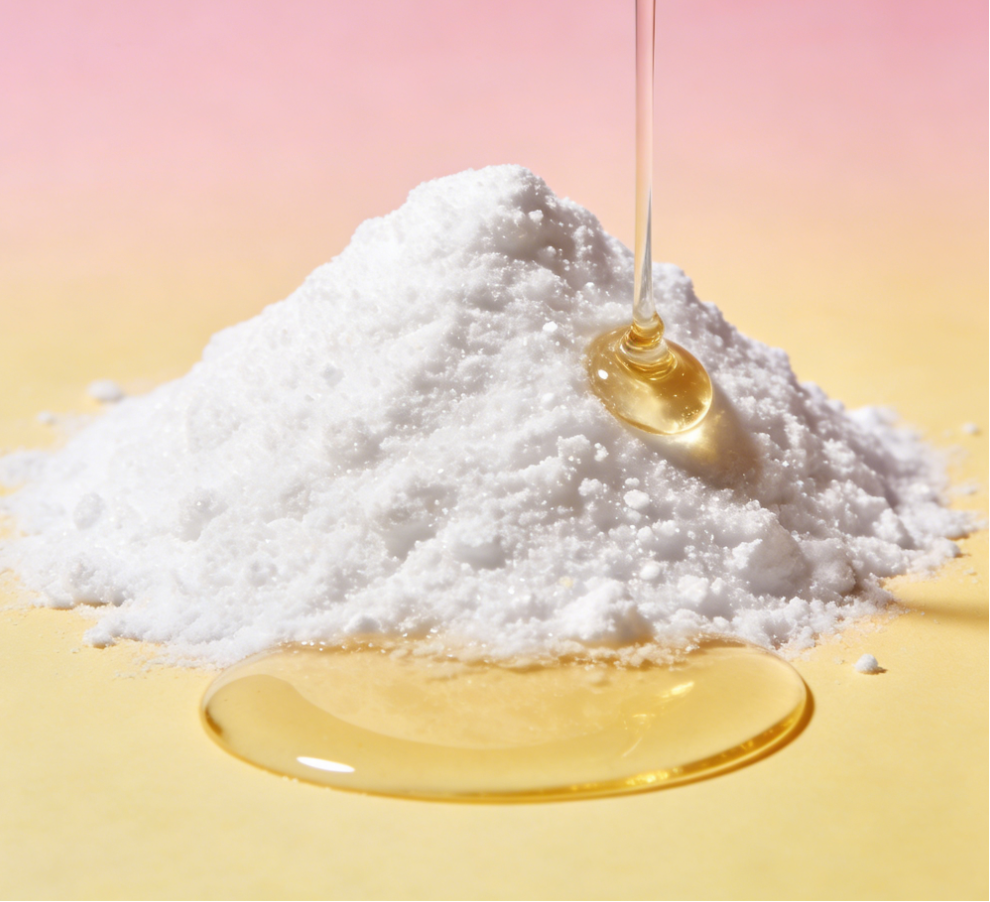
Recognizing genuine high-quality food grade silica starts with examining its physical properties. The finest silica appears as an exceptionally fine, bright white powder that feels almost weightless. When rubbed between your fingers, it should feel silky and smooth, not gritty or abrasive. A simple visual inspection under bright light can reveal a lot—premium silica will have a uniform, snow-like consistency without any discoloration or speckles. If the powder clumps easily or feels damp, that's a red flag, as proper manufacturing ensures extremely low moisture content.
Beyond the look and feel, purity is the real test. Request a certificate of analysis (COA) from the supplier and check for heavy metals like lead, arsenic, and mercury. The limits should be well below regulatory thresholds, ideally in the parts-per-billion range. Also, confirm that the silica is amorphous rather than crystalline—crystalline silica poses serious health risks and is not food grade. Trustworthy manufacturers openly share these details, so if a supplier hesitates to provide transparency, consider it a warning sign.
Finally, reputable food grade silica is usually validated by third-party lab testing and obvious certifications, such as NSF or USP grade. These marks aren't just stamps—they indicate the material has been rigorously vetted for purity and safety in food applications. Pay attention to the particle size distribution too; premium silica often has a tightly controlled micron range, which directly impacts its performance as an anti-caking agent or carrier. By combining sensory assessment, documentation review, and certification checks, you can confidently distinguish the truly high-grade product from mediocre alternatives.
Simple Dos and Don'ts for Everyday Use
When tackling daily tasks, a little mindfulness turns routine into relief. Do pause before you commit—whether it's a social invite or a new project. A quick mental check-in helps you honor your energy. Don't say 'yes' just to please others; a kind 'I can't this time' builds more respect than overextending yourself.
In casual conversations, do lean toward curiosity instead of offering fixes. People often share for connection, not correction. A simple 'Tell me more about that' can deepen a moment. Don't hijack the discussion with your own similar story right away—let their words settle first, and watch how trust quietly grows.
For your digital habits, do set a single morning ritual before you check your phone—maybe stretching, water, or a page of reading. It anchors your day in intention rather than reaction. Don't scroll during meals or right before sleep; those tiny boundaries reclaim hours of presence that screens silently steal.
FAQ
Food grade silica is a pure form of silicon dioxide that's commonly derived from natural sources like quartz or sand. It undergoes rigorous purification to remove impurities, making it safe for consumption. You'll often find it listed as E551 on ingredient labels.
High-quality food grade silica primarily acts as an excellent anti-caking agent, preventing clumping in powdered foods. It also helps maintain product consistency, extends shelf life by absorbing moisture, and can improve flowability during manufacturing. Plus, it's inert, so it doesn't react with other ingredients.
It's widely used in powdered goods like spices, coffee creamers, and drink mixes to keep them free-flowing. You'll also see it in grated cheeses, salt, and baking powders. Beyond food, it's used in supplements and pharmaceuticals to improve tablet disintegration.
Yes, when used within regulated limits, food grade silica is considered safe by food safety authorities like the FDA and EFSA. The key is that it's amorphous silica, not crystalline, which is non-toxic and passes through the body without being absorbed. Always look for products labeled as food grade to ensure safety.
Absolutely. Industrial silica may contain harmful impurities and crystalline forms that pose inhalation risks. Food grade silica is highly purified and specified for ingestion. It's manufactured under strict controls to meet food safety standards, making it completely different from what's used in things like concrete or desiccants.
Its microscopic particles have a large surface area that absorbs excess moisture in powdered foods. By keeping things dry, it prevents particles from sticking together. Think of it like a bunch of tiny sponges that maintain the powdery texture without altering taste or appearance.
Yes, it's commonly used in tablets and capsules as a flow agent to ensure uniform mixing and easy manufacturing. It also helps prevent supplements from clumping and can aid in disintegration, allowing the pill to dissolve properly in your system.
Check for certifications like USP or FCC grade on the label, which indicate purity standards. Reputable brands will clearly state 'food grade' and provide transparency about sourcing and testing. If you're buying bulk powdered silica, ensure it's labeled for culinary use and comes from a trusted supplier.
Conclusion
High quality food grade silica might not be the most glamorous ingredient, but its ability to keep powdered foods dry, free-flowing, and clump-free makes it a pantry essential. Unlike common starches that can alter taste or fail in humid conditions, pure silica works by adsorbing moisture at a microscopic level—without adding any flavor or odor. This means your spices, protein powders, and drink mixes stay exactly as the manufacturer intended, even after repeated opening. It’s also incredibly versatile: a tiny sachet slipped into a jar of homemade seasoning blend or a bag of dried herbs can prevent hardening, while a light dusting on grated cheese stops it from turning into a solid lump. The trick is using just the right amount—too little won’t protect, but overdoing it can leave a dry mouthfeel. Getting familiar with its behavior in different ingredients transforms you from a passive consumer into a savvy home cook who knows how to preserve texture without artificial additives.
Behind its anti-caking magic lies a porous, amorphous structure that traps water molecules through physical adsorption, not chemical reaction, so the silica itself remains inert and is excreted unchanged. This distinction is often lost in myths that equate it with industrial silica or crystalline forms linked to respiratory concerns; food grade silica is rigorously purified and regulated, with decades of safety data backing its use at low levels. When shopping, look for products labeled explicitly as food grade, free from contaminants, and ideally verified by third-party testing—clear packaging that reveals a fine, white, uniform powder is a good sign. In practice, a few dos and don’ts go a long way: store silica in an airtight container away from strong odors, never confuse it with desiccant packets that aren’t food safe, and start with just 0.5–1% by weight in dry mixes. Rather than relying on guesswork, observing how your specific ingredients respond over a few days will help you dial in the perfect dose. Embracing high quality food grade silica is a quiet upgrade that keeps your kitchen staples performing at their best, minus the gimmicks.
Contact Us
Contact Person: Levin Wang
Email: [email protected]
Tel/WhatsApp: 8618668999988
Website: https://www.silicaplant.com/