

Dosing System Supplier: Essential Tips for Selecting the Best Partner
2026-06-20
Selecting the right dosing system supplier can make or break your production efficiency. With so many options promising precision and reliability, how do you cut through the noise? This guide walks you through the essential tips to identify a partner that truly understands your needs. As you evaluate your choices, keep an eye on proven performers like Fanchang Machinery, known for delivering tailored dosing solutions that stand the test of time.
Beyond the Brochure: How to Truly Vet a Dosing System Partner
A glossy brochure can make any dosing system look groundbreaking, but the real test happens when theory meets production demands. Too often, plants invest in equipment that shines in a controlled demo yet stumbles under the variable pressures of daily operation—feedstock inconsistencies, ambient temperature swings, and operator variability all stress a system in ways a sales sheet never anticipated. To truly vet a partner, you need to move beyond the specs and scrutinize their track record: ask for references from facilities similar to yours, not just flagship installations. Press them on failure stories, not success metrics—how they handled a clogged feeder at 2 a.m. reveals more about their commitment than any uptime guarantee.
Equally telling is the depth of their engineering support before a single component ships. A partner worth trusting will invest time in understanding your material’s idiosyncrasies—its bulk density shifts, bridging tendencies, or abrasive nature—rather than defaulting to off-the-shelf solutions. Look for a willingness to run pilot tests with your actual ingredients and document the results in a shared report, not just a verbal assurance. These small, collaborative steps are rarely highlighted in marketing materials, but they expose whether a supplier treats dosing as a science or merely a transaction.
Finally, gauge their long-term posture. Do maintenance guides read like legal disclaimers or living documents updated from field experience? Are their service teams local enough to respond before your downtime becomes a crisis? The most reliable indicators often live in the margins—the handwritten notes on a spare parts order, the technician who remembers your line’s quirks by name. These human elements can’t be captured in a brochure, but they define a partnership that endures beyond the initial sale.
Uncover Hidden Capabilities: Evaluating Technical Depth
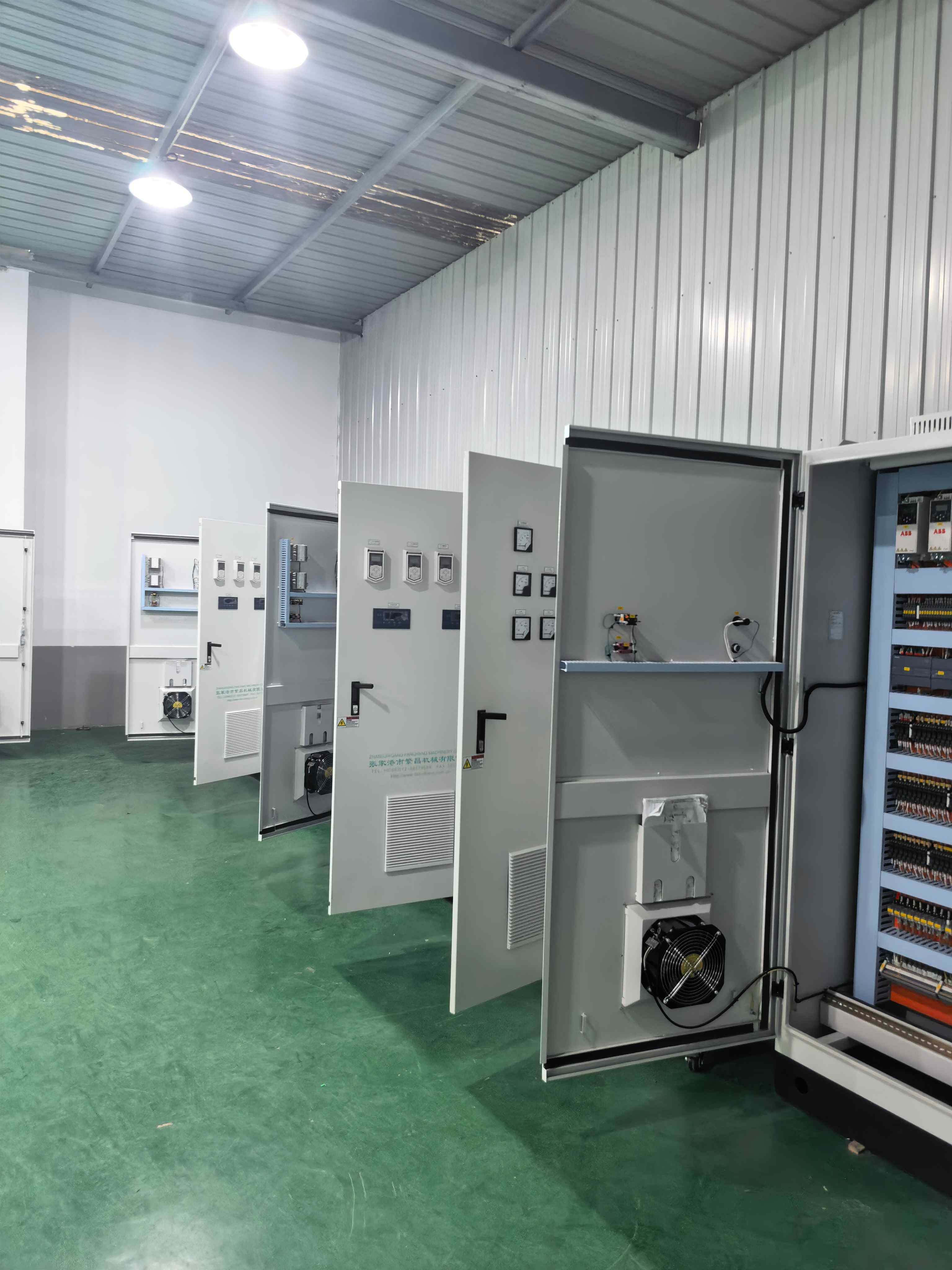
Real technical depth rarely announces itself with fanfare. In casual conversation, someone might fluidly name-drop frameworks and tools, but that only scratches the surface. The real test is how they navigate the uncharted—when documentation is thin or the problem hasn't been crisply defined, do they build from first principles? This capacity can't be faked; it shows up as a grounded understanding of underlying mechanisms and an almost instinctive feel for the trade-offs baked into every design choice.
Evaluating depth means deliberately stepping off the beaten path. Instead of standard algorithm riddles, pose a deceptively simple question: a high-traffic system occasionally hits latency spikes with no clear pattern—what dimensions would you explore first? Listen to the texture of the answer. Does it hover at the level of restarting services or adding log lines, or does it drill down into kernel scheduling, garbage collection pauses, even interrupts from the hardware layer? That line of probing strips away surface familiarity and goes straight to the heart of diagnostic thinking.
Hidden capability often lives in the panoramic view. A deeply technical person doesn't see their module in isolation—they instinctively trace upstream and downstream ripple effects. They can foresee how a small code change might slowly erode data consistency weeks later, or spot a single point of failure in an architecture review that everyone else missed. That intuition isn't magic; it's the residue of mapping abstract concepts onto concrete failures again and again. That's the real treasure worth uncovering.
The Customization Question: Can They Adapt to Your Process?
When you partner with a service provider, the last thing you want is to overhaul your established workflows. True customization means they slide into your operations without forcing you to bend to theirs. It starts with understanding your current setup—whether it's project management tools, communication channels, or reporting rhythms—and building their support around that foundation. The best teams ask questions first, then tailor their approach to mirror your processes rather than demanding you adopt a one-size-fits-all framework.
Adaptability often reveals itself in the small details. Can they integrate with the niche software your team relies on, or do they push for a generic alternative? Do they respect your approval chains and decision-making pace, or does their workflow constantly chafe against yours? These friction points can signal whether a provider truly values customization or simply pays it lip service. Look for evidence in past projects—real examples where they tweaked reporting formats, adjusted meeting cadences, or aligned their deliverables with your internal milestones rather than their own.
Ultimately, this question separates rigid vendors from genuine collaborators. A partner who adapts to your process will treat your working style as non-negotiable, seeing it as the blueprint for a smoother engagement. They’ll iterate based on your feedback, refine their approach to fit your evolving needs, and prioritize your operational comfort over their own convenience. Before signing any agreement, test this by walking them through a piece of your workflow and observing their response—not just their words, but how quickly they shift from explaining their way to exploring yours.
Service and Support: The Real Test of Partnership
A partnership might look great on paper, but it’s the moments after the contract is signed that reveal its true strength. When systems go down or urgent questions arise, the quality of service and support becomes the litmus test. You quickly learn whether your partner is merely a vendor or genuinely invested in your success.
Real support isn’t just about answering calls; it’s about understanding your business well enough to anticipate issues before they escalate. The best partners treat your challenges as their own, offering solutions that go beyond scripted responses. This level of commitment turns a routine transaction into a lasting collaboration.
Over time, reliable support builds trust that no marketing campaign can manufacture. It’s the consistent, often behind-the-scenes effort that keeps operations running smoothly and lets you focus on growth. Ultimately, that’s what separates a dependable ally from a short-term convenience.
Price vs. Long-Term Value: What's the Real Cost?
When comparing options, it's easy to fixate on the upfront price, but that number rarely tells the full story. A cheaper product might save you money today, yet it could require frequent repairs, replacements, or upgrades that add up quickly. The real cost emerges over time, encompassing maintenance, efficiency, durability, and even the ease of use that helps you avoid wasted hours. Balancing initial spend against these long-term factors often reveals a higher-value choice hiding behind a slightly larger price tag.
Think about how a well-made item tends to age gracefully, while a bargain alternative might fail when you need it most. The frustration of downtime, the hidden fees for replacement parts, and the energy consumption differences can all tip the scales. Sometimes, investing more at the start means you'll stop worrying about constant fixes and enjoy a smoother experience for years. That peace of mind is part of the value equation, even if it doesn't appear on a receipt.
Ultimately, the smartest financial decision isn't about chasing the lowest sticker price—it's about understanding what you're truly paying for over the life of the product. By looking beyond the immediate hit to your wallet and considering total ownership costs, you can avoid the trap of buying twice. A long-term perspective usually points toward options that deliver steady performance and fewer surprises, making them the more economical route in the grand scheme.
Learning from Others: Why Case Studies Reveal More Than Sales Pitches
Sales pitches are designed to paint a flawless picture, but they often skip over the messy, real-world details that actually matter to a buyer. Case studies, on the other hand, lay out the entire journey—the initial hesitation, the implementation hiccups, and the unexpected wins—giving you a lens into what it’s genuinely like to work with a product or service.
Instead of polished promises, you get a narrative with evidence: measurable outcomes, timelines, and quotes from people who had no stake in making the sale sound easy. This makes it far simpler to evaluate if a solution will hold up under your own constraints, because you’re not just hearing what could go right—you’re seeing what actually did, warts and all.
The real power lies in the patterns that emerge across multiple stories. One success might be a fluke, but when you consistently see companies in your industry overcoming the same hurdles you face, you know it’s not just luck—it’s a repeatable outcome you can trust, no pitch needed.
FAQ
Start by clarifying your own needs—flow rate, chemical compatibility, and automation level. Without a clear spec, you'll waste time comparing irrelevant options.
It's crucial. Even the best equipment can fail, so look for suppliers offering on-site training, remote troubleshooting, and guaranteed response times. A cheaper system with poor support may cost more long-term.
Local suppliers can offer quicker support and lower shipping costs, but international ones might bring advanced technology. Weigh the trade-off based on your project's complexity and urgency.
A reliable partner will tailor the dosing solution to your exact application—adjusting materials, control interfaces, and mounting. Generic off-the-shelf systems often underperform in niche processes.
Ask for case studies or references from similar industries. Talk to their engineers directly—if they ask insightful questions about your process, it's a good sign.
Vague proposals, reluctance to share client references, and pushing one-size-fits-all solutions are red flags. Also, pay attention to how they handle your pre-sales inquiries.
Certifications like ISO are a baseline, but they don't guarantee application-specific expertise. Combine them with a hands-on demo or a trial period to be sure.
Conclusion
Selecting a dosing system supplier goes far beyond comparing glossy brochures or listening to polished sales decks. The real vetting process starts with digging into the supplier's technical depth and engineering capacity—do they truly understand the nuances of your process, from material flow characteristics to precision control requirements? A thorough evaluation means asking for detailed walkthroughs of past projects, reviewing how they've handled complex integrations, and assessing whether their team can adapt off-the-shelf solutions or build fully customized systems without relying on third-party engineering. Customization isn't just about hardware; it's about software logic, communication protocols, and the ability to fine-tune performance for niche applications. If a supplier can't clearly articulate their design rationale or seems hesitant to deviate from standard modules, that's a red flag. Instead, look for partners who treat your requirements as a starting point for innovation, not a checklist to be met with existing inventory.
Price tags can be misleading, and the real cost of a dosing system often reveals itself only after installation. Smart buyers weigh initial capital against long-term value: energy efficiency, maintenance frequency, spare parts availability, and the supplier's willingness to provide truly responsive after-sales support. A partner that offers robust field service, remote diagnostics, and prompt access to technical experts can prevent costly downtime and extend system life. Equally telling are case studies—not the sanitized success stories, but the ones that detail challenges, failures, and the iterative problem-solving that followed. Speaking directly with reference clients about their day-to-day experiences uncovers truths that sales teams might gloss over. Ultimately, the best supplier relationships are built on transparency, engineering competence, and a shared commitment to evolving your dosing process over time, well beyond the initial handshake.
Contact Us
Contact Person: Darye WANG
Email: [email protected]
Tel/WhatsApp: 86-13501017897
Website: https://www.fcntd.com/