

China Zipper Bags: Your Ultimate Guide to Quality, Affordable Packaging Solutions
2026-06-04
When it comes to packaging, zipper bags offer an unbeatable blend of convenience and durability. China has long been a hub for cost-effective manufacturing, but not all suppliers meet the mark. That’s where Kody steps in, offering high-quality zipper bags at prices that make sense for your business. In this guide, we’ll explore everything you need to know to source the best options.
Why Chinese Manufacturers Lead the Zipper Bag Market
China’s dominance in the zipper bag market stems from an unmatched manufacturing ecosystem that blends scale, speed, and specialization. Decades of investment in industrial clusters—particularly in provinces like Zhejiang and Guangdong—have created dense networks of suppliers for everything from food-grade PE films to precision zipper tracks. This vertical integration slashes lead times and costs while maintaining consistent quality, making it nearly impossible for smaller overseas producers to compete on both price and turnaround.
Beyond infrastructure, Chinese manufacturers have honed a culture of relentless incremental innovation. Rather than chasing headline-grabbing breakthroughs, factories continuously refine bag profiles, zipper ergonomics, and seal integrity based on real-time feedback from global clients. This practical, bottoms-up approach means products evolve rapidly to meet shifting demands—like tamper-evident features or child-resistant closures—without the bureaucratic delays common in other markets.
The flexibility of Chinese supply chains also plays a decisive role. While many Western factories stick to high-volume standardized runs, Chinese producers routinely handle small-batch custom designs with minimal upcharges. Combined with deep expertise in materials engineering—such as developing anti-static or UV-resistant films—this agility lets them serve niche industries from electronics to pharmaceuticals, locking in long-term partnerships that reinforce their market leadership.
Material Matters: From PE to Kraft Paper
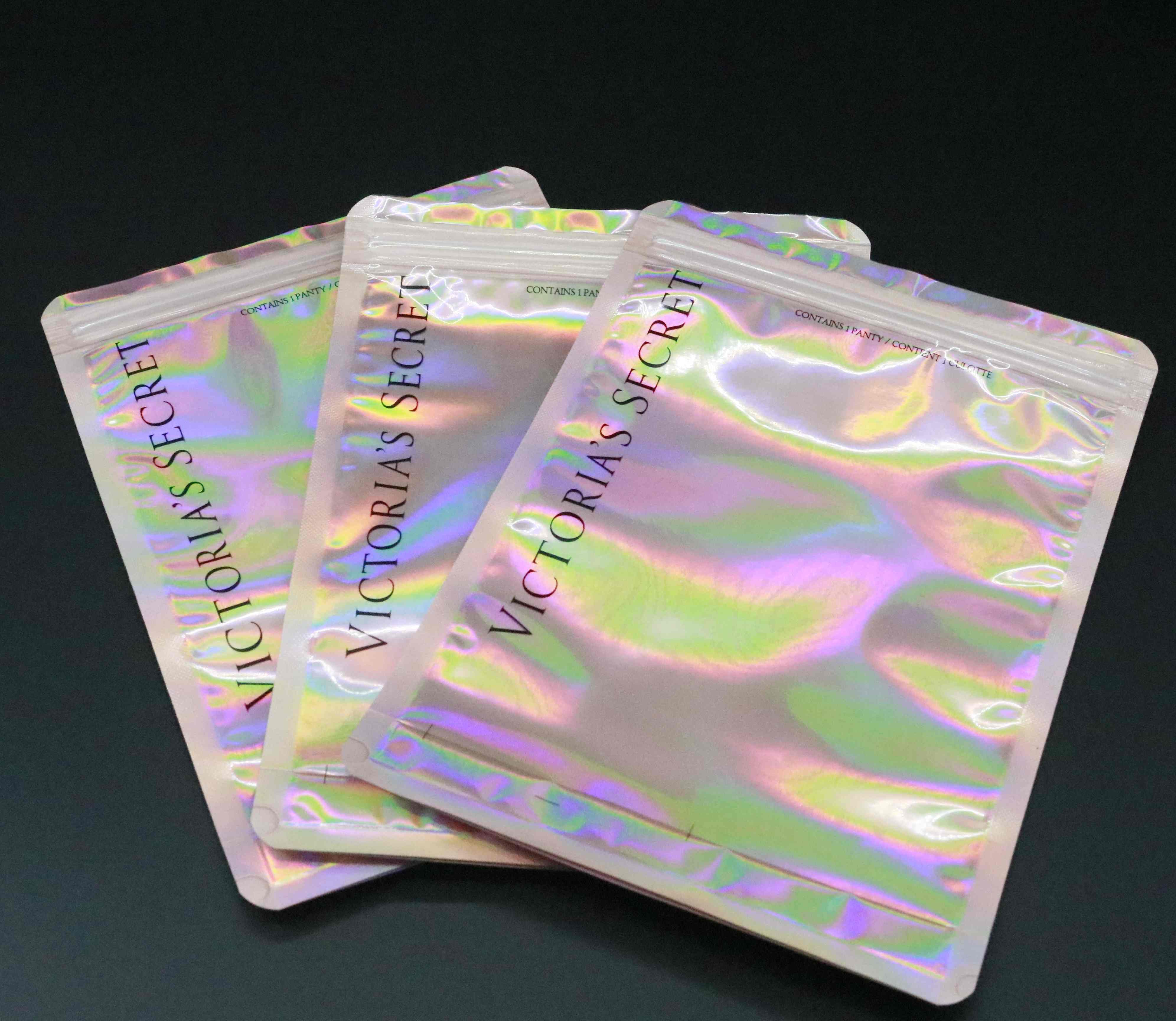
Polyethylene has long been the workhorse of flexible packaging—inexpensive, lightweight, and remarkably effective at sealing out moisture. Walk through any grocery aisle and you’ll spot it in bread bags, shrink wrap, and the glossy liners inside cereal boxes. But for all its utility, PE carries a stubborn environmental cost. It’s derived from fossil fuels, lingers in the environment for centuries, and defies most curbside recycling programs. The very qualities that make it a packaging champion also make it a quiet contributor to planetary waste streams.
Kraft paper enters the picture not as a perfect substitute, but as a deliberate rethinking of how materials should behave. Made from wood pulp that retains its natural brown fibers, it rejects the glossy, impervious aesthetic of PE in favor of something tactile and breathable. It ages, tears, and returns to the earth without a fight—a feature rather than a flaw for brands trying to align with circular principles. The transition isn’t always straightforward; paper can’t match PE’s moisture barrier without coatings, and designers often have to reshape cartons and liners around its limits. Still, that friction often leads to more honest packaging—fewer layers, smarter folds, and a quiet reminder that how a material begins dictates how gracefully it ends.
Customization That Doesn’t Break the Bank
Affordable customization is all about smart choices. Start by focusing on small changes with big impact, like swapping out standard hardware for unique knobs or handles. A fresh coat of paint in an unexpected color can transform a room without costing much more than a can of paint and some tape. These simple tweaks let you put your stamp on a space without draining your wallet.
Look for opportunities to repurpose what you already own. That old dresser might just need some new legs or a stencil pattern on the drawers to feel one-of-a-kind. Thrift stores and flea markets are goldmines for fabric, frames, and accessories that can be upcycled with a little creativity. It’s not about spending less—it’s about using what you have in a way that feels fresh and personal.
Don’t underestimate the power of textiles and lighting. Changing out lampshades, throw pillows, or curtains can instantly shift the mood of a room. Even something as simple as rearranging furniture or displaying a collection of found objects can make your home feel curated rather than cookie-cutter. The goal is to create a space that reflects you, not a catalog, and that rarely requires a big budget—just a willingness to experiment.
Quality Checks Most Buyers Overlook
Beyond the obvious visual sweep, a real quality check starts with the pieces nobody posts on Instagram. Flip furniture over and examine the underside of shelves or the back panels of cabinets—these unfinished spots often reveal mixed materials like particleboard hiding under veneer. Run your hand along inner edges and drawer bottoms; splinters, rough patches, or inconsistent staining there signal rushed production. Pay attention to how joinery meets corners: dovetail joints feel solid and smooth, while stapled butt joints tend to wobble over time. Look for subtle glue squeeze-out that was hastily wiped instead of sanded away. These hidden surfaces tell the truth about what you’re actually buying.
Move past the “is it broken?” mindset and tune into how things feel when you interact with them. Open a cabinet door slowly and close it again—does it catch or squeak? Slide a drawer in and out with gentle pressure; high-quality runners glide almost silently. Check for slight misalignments where light seeps through gaps between a drawer front and the frame, a sign of loose tolerances. Twist a table leg lightly; any give hints at weak joinery. Listen for creaks when you lean on a chair arm or press down on a worktop. These micro-feedbacks can predict long-term durability far better than a shiny surface ever will.
Finish flaws are rarely about the big scratches; they’re about the soft details. Look at a painted piece under angled light, not straight on—this reveals roller marks, orange peel texture, or thin spots where the base material peeks through. On stained wood, run a finger over edges; a poorly buffed finish feels tacky or grabs at your skin. Sniff inside drawer boxes or new upholstery: harsh chemical odors suggest off-gassing from cheap varnishes or foams that may persist for months. Check hardware alignment—are all handles perfectly level, or do you sense a subtle slant that your eye can’t quite pin down? These quiet flaws often go unnoticed during a quick walkthrough but become daily annoyances once the item is in your space.
Shipping and Logistics Simplified
Managing shipments shouldn't feel like solving a puzzle with missing pieces. We bring together carrier options, real-time tracking, and automated paperwork into a single dashboard, so you can book freight, compare rates, and generate labels in minutes instead of hours. Whether you're moving a pallet across town or a container overseas, the process stays consistent and clear—no logistics degree required.
Behind the scenes, smart rules handle the repetitive tasks that eat up your day. Set shipping preferences once, and the platform applies them automatically—calculating duties, flagging address errors, and even choosing the most cost-effective route based on your timelines. The result? Fewer manual steps, fewer surprises, and more time to focus on growing your business rather than pushing boxes around on a screen.
Finding a Supplier You Can Actually Trust
A slick website and a persuasive sales pitch can make almost any supplier look rock-solid at first glance. But I’ve learned the hard way that real trust doesn’t live in polished brochures or rapid-fire email replies. It’s built when a supplier owns up to a mistake before you even notice it, or when they push back on an unrealistic deadline instead of promising the moon and delivering dust. Those small, unglamorous signals tell you everything a factory audit never will.
Forget the generic “references” they hand you—those are curated, obviously. Instead, dig around on your own. Search forums, LinkedIn, even YouTube for unfiltered chatter about them. Place a trial order that stresses their weakest link, whether that’s custom packaging or a tight turnaround. How they handle the one thing that goes wrong is the only test that matters. If they ghost you at the first sign of friction, the five-star Alibaba reviews mean nothing.
FAQ
They offer an impressive balance of durability and cost-effectiveness. Chinese manufacturers have refined production techniques over decades, using high-grade materials like PE, PP, or laminated films. You get strong, resealable closure systems that won't fail after repeated use, all at prices that leave room in your budget for branding or larger orders.
Always request material samples or a pre-production specimen. Check the zipper track alignment and weld seams—good bags feel smooth to open and close without snagging. Clarify the mil thickness (common range is 2–6 mil) and whether they're food-safe if needed. Reliable suppliers will provide spec sheets and even third-party lab test results on request.
Absolutely. Many Chinese suppliers now accommodate low MOQs (minimum order quantities) for custom printing, sometimes as low as 1,000 pieces per size. Digital printing has revolutionized this space—it avoids plate costs and allows full-color designs. Just be upfront about your quantity and ask if they offer flexible printing options.
Yes, the market has shifted noticeably. You can now find biodegradable, compostable, or recycled content zipper bags. Look for certifications like EN 13432 or ASTM D6400 for compostability, and confirm the material breakdown (e.g., PLA + PBAT blends). Some suppliers also offer mono-material structures that are easier to recycle than mixed laminates.
Zipper bags are bulky but lightweight, so shipping is often calculated by dimensional weight. Consolidating orders into larger shipments or choosing sea freight over air can dramatically lower per-unit expenses. Many sellers provide DDP (Delivered Duty Paid) shipping options, which include customs clearance and door-to-door delivery—ask for a door-to-door quote to avoid surprises.
Underestimating lead times is a big one—custom orders can take 4–6 weeks plus shipping. Another is overlooking closure style: some bags have a single-track zipper, others a double-track with a slider. Not specifying the right opening style can render packaging unusable. Also, forgetting to request a pre-production proof for print alignment can lead to off-center graphics.
You'll typically encounter three varieties: standard press-to-close zippers, slider zippers that glide across, and double-lock zippers that seal tightest. Press-to-close suits lightweight items and quick access. Sliders are easier for users with dexterity issues and give a premium feel. Double-lock, often seen in freezer bags, provides an airtight seal for food or moisture-sensitive goods.
As long as you specify food-grade materials and verify certifications. Reputable manufacturers use FDA-approved or EU-compliant raw materials. Ask for migration test reports to confirm no harmful substances leach into food. Also, check if the bags are manufactured in a cleanroom environment if you're packing items like dried fruits or snacks. Avoid bags with strong chemical odors—this often signals lower-grade plastics.
Conclusion
When sourcing zipper bags, China stands out as the go-to destination for businesses seeking a perfect blend of quality and cost-effectiveness. The country's manufacturers have honed their expertise over decades, utilizing advanced production lines and skilled labor to deliver products that meet international standards without the premium price tag. From durable polyethylene to eco-friendly kraft paper, the material options are vast, allowing you to choose the ideal substrate for your specific needs—whether it's moisture resistance, clarity, or sustainability. What truly sets Chinese suppliers apart is their ability to offer extensive customization on a budget: you can specify sizes, thicknesses, closures, and vibrant full-color printing without seeing your per-unit cost skyrocket. This flexibility empowers brands to create packaging that aligns with their identity and stands out on shelves, all while keeping inventory expenses manageable.
However, securing a reliable supplier requires attention to details many buyers miss. Beyond the obvious factors like price and production speed, it's crucial to verify the consistency of material quality, seam strength, and the reliability of sealing mechanisms through third-party inspections or factory audits. Navigating shipping and logistics is another area where experience counts; partnering with a supplier who understands freight consolidation, customs documentation, and efficient routing can save you from costly delays. Ultimately, building a trustworthy relationship involves clear communication, sample verification, and a shared commitment to quality control. By approaching sourcing with these insights, you can confidently tap into China's zipper bag market and enjoy packaging solutions that marry affordability with the performance your products deserve.
Contact Us
Contact Person: Cindy Lee
Email: [email protected]
Tel/WhatsApp: 8613622669331
Website: https://www.dgkody.com