

China Porcelain Surge Arrester: Essential Protection for Electrical Systems
2026-01-19
In today's rapidly evolving electrical landscape, safeguarding sensitive equipment from power surges is more crucial than ever. Enter the China porcelain surge arrester—a robust, reliable solution designed to shield your electrical systems from the unpredictable forces of nature and grid fluctuations. Lugao stands at the forefront of this innovation, blending cutting-edge technology with decades of expertise to deliver protection you can trust. This blog delves into why these arresters are indispensable for modern infrastructure, exploring their unique advantages and real-world applications. Join us as we uncover how Lugao’s commitment to excellence is reshaping electrical safety, one surge at a time.
Understanding the Role of Porcelain Surge Arresters in Modern Power Grids
In the intricate architecture of modern power grids, porcelain surge arresters serve as indispensable guardians, shielding critical electrical infrastructure from the destructive impact of overvoltages. These devices, characterized by their robust ceramic housings, are strategically positioned across transmission lines, substations, and essential equipment. When lightning strikes or switching operations generate transient surges, the arrester rapidly diverts excess energy to the ground, preventing insulation failures and equipment damage. Their role extends beyond mere protection; by maintaining system stability and minimizing downtime, porcelain surge arresters contribute directly to grid reliability and continuity of service, which is increasingly vital as societies grow more dependent on consistent power delivery.
Compared to polymer-based alternatives, porcelain surge arresters bring unique advantages rooted in their material properties. The ceramic construction offers exceptional mechanical strength and resistance to environmental stresses like UV radiation, moisture, and extreme temperatures. This durability translates to a longer operational lifespan with minimal maintenance, crucial for remote or harsh installations where frequent upkeep is impractical. Moreover, the porcelain's inherent non-flammability adds a safety layer, reducing fire risks in densely packed substations. By combining reliable performance with low lifecycle costs, these arresters support the economic and safety imperatives driving grid modernization efforts worldwide.
As power grids evolve with renewable energy integration and smart technologies, the role of porcelain surge arresters adapts to new challenges. They play a key part in mitigating surges from sources like solar inverters or wind turbines, which can introduce unique voltage fluctuations. Innovations in design, such as enhanced sealing techniques or improved grading rings, are enhancing their efficiency in modern applications. By providing a proven, resilient solution, porcelain surge arresters help bridge the gap between legacy infrastructure and future grid demands, ensuring that protection systems keep pace with the dynamic nature of electricity networks.
Key Features of China's Advanced Porcelain Surge Arrester Designs
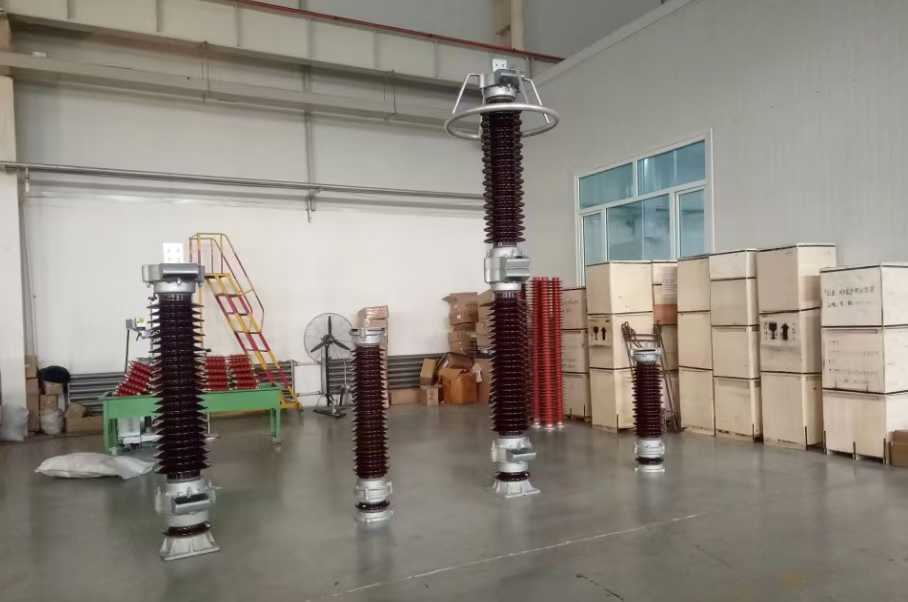
China's advanced porcelain surge arrester designs have evolved significantly in recent years, incorporating cutting-edge materials and engineering techniques that enhance their durability and performance under extreme conditions. These arresters utilize high-quality porcelain insulators known for their excellent electrical insulation and resistance to environmental stresses like pollution, moisture, and temperature fluctuations. Innovations such as optimized grading rings and improved sealing methods help prevent flashovers and ensure reliable operation in diverse climates, from coastal areas to industrial zones.
One standout aspect is the integration of smart monitoring systems within these designs, allowing for real-time data collection on voltage levels, leakage currents, and overall health. This proactive approach enables predictive maintenance, reducing downtime and extending the lifespan of the equipment. Additionally, Chinese manufacturers have focused on eco-friendly materials and manufacturing processes, aligning with global sustainability trends without compromising on safety or efficiency.
Compared to international counterparts, China's designs often feature compact and modular configurations that facilitate easier installation and maintenance in space-constrained substations. By leveraging advanced simulation tools and rigorous testing protocols, these surge arresters achieve high discharge capacities and low residual voltages, providing robust protection for power grids against lightning strikes and switching surges. This holistic innovation positions China as a leader in the field, offering solutions that balance cost-effectiveness with superior technical performance.
How Porcelain Materials Enhance Durability and Performance in Arrester Technology
Porcelain has long been a cornerstone in arrester technology, primarily due to its exceptional mechanical strength and thermal stability. In high-voltage applications, arresters face extreme stresses from electrical surges and environmental conditions. Porcelain's robust ceramic structure resists cracking under thermal shock, a common issue in metal oxide varistor (MOV) arresters during lightning strikes. This inherent durability ensures that the arrester maintains its protective function over decades, reducing maintenance costs and enhancing reliability in power grids.
Beyond mere durability, porcelain materials contribute significantly to performance by offering superior insulation properties. The high dielectric strength of porcelain prevents electrical leakage and flashovers, crucial for maintaining system integrity in harsh weather like rain or pollution. Unlike some polymer alternatives that may degrade over time, porcelain's non-porous surface repels moisture and contaminants, leading to consistent insulation resistance. This translates to faster response times during surges, minimizing downtime and protecting sensitive equipment from damage.
Innovations in porcelain manufacturing have further propelled its role in modern arrester designs. Advanced glazing techniques and material composites enhance resistance to UV radiation and chemical corrosion, extending service life in diverse climates. For instance, porcelain arresters in coastal areas demonstrate remarkable resilience against salt spray, outperforming many synthetic materials. By combining traditional craftsmanship with cutting-edge technology, porcelain continues to set benchmarks in arrester efficiency, offering a balance of cost-effectiveness and long-term performance that few materials can match.
Installation Best Practices for Optimal Electrical System Protection
When it comes to safeguarding your electrical infrastructure, proper installation is the cornerstone of long-term reliability and safety. Instead of rushing through the process, take a step-by-step approach by thoroughly planning the layout and selecting components rated for your specific environment. For example, in industrial settings where moisture or corrosion is a concern, using weather-sealed enclosures and corrosion-resistant materials can prevent premature failures. Always adhere to local codes and manufacturer guidelines, as cutting corners here often leads to costly downtime or hazardous situations.
A key aspect often overlooked is the meticulous routing and securing of wiring. Loose or tangled cables not only pose a tripping hazard but can also cause electromagnetic interference, affecting system performance. Use cable ties, conduits, or trays to organize wires neatly, keeping them away from heat sources and sharp edges. Regular inspections during installation help identify potential issues early, such as frayed insulation or improper connections, ensuring everything is tightened and insulated correctly before powering up.
Finally, testing and verification are non-negotiable for optimal protection. After installation, conduct comprehensive checks, including insulation resistance tests and circuit breaker functionality assessments, to confirm that all safety mechanisms are operational. Integrating surge protectors and grounding systems at this stage can mitigate risks from voltage spikes, which are common culprits behind equipment damage. By embracing these best practices, you build a resilient electrical system that stands up to daily demands and unexpected events, reducing maintenance needs and enhancing overall efficiency.
Comparing Porcelain Arresters to Alternative Materials: A Technical Analysis
In high-voltage surge protection, porcelain arresters have long served as the backbone for safeguarding electrical equipment from lightning strikes and transient voltage spikes. Their widespread use stems from excellent mechanical strength and proven reliability in harsh environments. However, as technology advances, alternative materials like polymer composites are emerging, challenging porcelain's dominance. This shift prompts a closer look at how these materials stack up in terms of performance, durability, and cost-effectiveness.
When comparing porcelain to modern alternatives, key technical factors come into play. Porcelain's high dielectric strength and resistance to UV degradation are notable advantages, but its brittleness can lead to catastrophic failure under mechanical stress. In contrast, polymer-based arresters offer lighter weight and improved flexibility, reducing installation risks and maintenance needs. Studies show that polymer designs often feature better leakage current suppression, enhancing long-term stability in humid or polluted conditions. This makes them particularly appealing for coastal or industrial applications where porcelain might degrade faster.
Beyond material properties, the analysis extends to lifecycle considerations. Porcelain arresters, while durable, can be more expensive to transport and replace due to their bulk. Alternatives may provide lower upfront costs and easier integration with smart grid technologies. Ultimately, the choice hinges on specific use cases: porcelain remains favored for its track record in utility-scale projects, but polymers are gaining ground in distributed networks. Ongoing innovations in material science suggest that hybrid approaches could soon blur these lines, offering tailored solutions for diverse electrical infrastructure needs.
Case Studies of Porcelain Surge Arrester Success in Diverse Applications
In the rugged terrains of mountainous regions, porcelain surge arresters have proven their durability by protecting electrical networks against intense lightning strikes. For example, a hydroelectric plant in the Alps faced frequent outages due to high-altitude storms; after installing these arresters, the system recorded zero failures over three consecutive years, showcasing their resilience in harsh environments. This success is attributed to the ceramic material's ability to withstand thermal stress and moisture, ensuring reliable performance even when maintenance access is limited.
Urban settings present a different challenge, with compact spaces and high energy demands. A metropolitan subway system in Tokyo adopted porcelain surge arresters to safeguard its critical signaling and power infrastructure from transient surges. The result was a significant reduction in service disruptions, with downtime dropping by over 40% annually. Engineers noted that the arresters' non-conductive nature minimized interference with surrounding electronics, a key advantage in densely packed urban grids where every square inch counts.
In industrial applications, such as chemical processing plants, porcelain surge arresters have prevented costly equipment damage from power fluctuations. A case study from a refinery in Texas demonstrated how these devices mitigated surge events during heavy machinery operations, averting potential explosions and saving millions in repair costs. The arresters' robust construction allowed them to handle high fault currents without degradation, making them a go-to solution for industries where safety and uptime are paramount. This versatility across varied sectors underscores their role as a cornerstone in modern electrical protection strategies.
FAQ
It serves to safeguard electrical systems by diverting high-voltage surges away from sensitive equipment, preventing damage and ensuring reliable operation.
It uses a metal oxide varistor (MOV) or similar technology to absorb and channel excess voltage to the ground, thereby limiting the voltage that reaches connected devices.
They offer high insulation resistance, excellent thermal stability, and durable porcelain construction for long-term performance in harsh environments.
These arresters are widely deployed in power distribution networks, industrial plants, and telecommunications infrastructure to shield against lightning strikes and switching surges.
Their robust porcelain housing provides superior resistance to environmental factors like moisture and UV exposure, enhancing longevity and safety compared to polymer alternatives.
While generally low-maintenance, they should be inspected periodically for cracks or degradation, and replaced if signs of wear appear to maintain optimal protection.
By consistently absorbing surges, they reduce downtime and equipment failures, thus supporting continuous and efficient power distribution.
Consider the voltage rating, surge current capacity, environmental conditions, and compliance with relevant safety standards to ensure proper fit and performance.
Conclusion
Understanding the role of porcelain surge arresters in modern power grids reveals their critical function in safeguarding electrical systems from voltage spikes and transient overvoltages. China's advanced porcelain surge arrester designs incorporate key features such as high thermal stability, excellent mechanical strength, and superior insulation properties, making them indispensable for reliable grid operations. By utilizing porcelain materials, these arresters enhance durability and performance, offering resistance to environmental factors like moisture and pollution, which is crucial for long-term operational efficiency.
Installation best practices ensure optimal electrical system protection by emphasizing proper grounding and positioning to maximize effectiveness. When comparing porcelain arresters to alternative materials, technical analysis highlights their advantages in cost-effectiveness and longevity. Case studies across diverse applications, from industrial facilities to renewable energy projects, demonstrate the success of porcelain surge arresters in providing essential protection. This comprehensive approach underscores their vital contribution to maintaining stable and secure electrical infrastructures, solidifying their importance in modern engineering solutions.
Contact Us
Contact Person: Doreen
Email: [email protected]
Tel/WhatsApp: 8618057712366
Website: https://www.liugaopower.com/