
China Ethanolamine: Market Trends, Applications, and Industry Insights
2026-03-09
Exploring the dynamic landscape of ethanolamine in China reveals a market brimming with innovation and growth. From industrial applications to everyday products, this versatile chemical plays a pivotal role in shaping modern industries. At the forefront, POLYKEM stands as a key contributor, driving advancements and insights that redefine industry standards. In this blog, we delve into the latest trends, diverse applications, and valuable insights that make China's ethanolamine sector a compelling story. Join us as we uncover the forces shaping this vibrant market and highlight how POLYKEM's expertise is paving the way for a sustainable future.
China Ethanolamine Market Dynamics and Growth Projections
The Chinese ethanolamine market is currently experiencing notable shifts, driven primarily by escalating demand from downstream industries. Sectors such as agrochemicals, where ethanolamine serves as a crucial component in herbicides and pesticides, alongside the cosmetics and personal care industry for its surfactant properties, are fueling consumption. Recent government initiatives promoting sustainable agriculture and high-quality manufacturing have further accelerated this trend. However, supply-side dynamics reveal complexities, with production capacities expanding yet facing challenges like fluctuating raw material costs, particularly for ethylene oxide, and environmental regulations tightening operational efficiencies. These factors collectively shape a market characterized by robust demand but moderated by production constraints and cost pressures.
Growth projections for the ethanolamine market in China point to a steady upward trajectory over the next decade, with analysts forecasting a compound annual growth rate (CAGR) of approximately 5-7% through 2030. This optimistic outlook is underpinned by increasing applications in niche areas such as gas treatment for carbon capture and pharmaceuticals, besides traditional uses. Urbanization trends and rising disposable incomes are expected to boost consumer goods sectors, indirectly propelling ethanolamine demand. Regional disparities may emerge, with coastal provinces likely leading in consumption due to industrial concentration, while inland areas could see gradual catch-up as infrastructure develops. Investments in research and development for bio-based alternatives might also influence long-term growth patterns, adding a layer of innovation to market dynamics.
To stand out in a crowded landscape, stakeholders are advised to focus on strategic adaptations, such as enhancing supply chain resilience against global disruptions and leveraging digital technologies for demand forecasting. Diversifying into high-value derivatives, like specialty surfactants for electronics or advanced coatings, could offer competitive edges. Moreover, aligning with China's green policies by adopting cleaner production methods may not only ensure compliance but also attract environmentally conscious partners. By anticipating these trends rather than merely reacting, companies can navigate the ethanolamine market's complexities and capitalize on its growth potential more effectively.
Key Applications of Ethanolamine in Industrial and Consumer Sectors
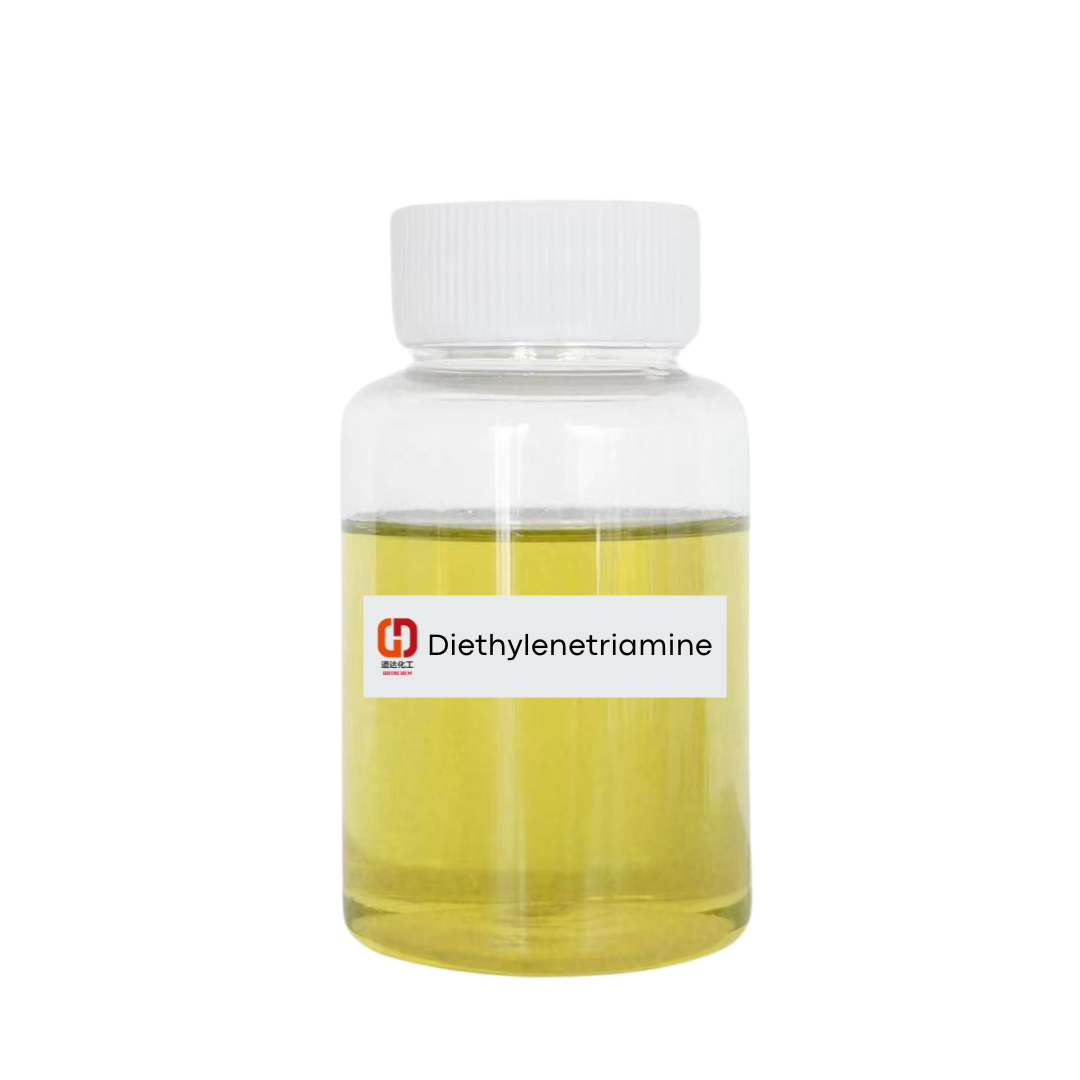
Ethanolamine, a versatile compound derived from ethylene oxide and ammonia, finds widespread applications across industrial and consumer sectors. In the industrial realm, it serves as a crucial intermediate in producing surfactants, which are essential for detergents and personal care products, contributing to their cleansing and foaming properties. Additionally, it acts as a corrosion inhibitor in gas treatment processes, such as removing acidic impurities in natural gas streams, enhancing operational efficiency and safety. Consumer applications include its use in cosmetics and pharmaceuticals, where it helps adjust pH levels and stabilize formulations, ensuring product effectiveness and user comfort. This dual utility underscores ethanolamine's adaptability and importance in modern manufacturing and daily life.
Differentiating ethanolamine from similar chemicals, its role in agriculture as a component of herbicides and pesticides highlights its niche impact. Farmers rely on ethanolamine-based formulations to protect crops from weeds and pests, boosting yields sustainably. Moreover, in the textile industry, it facilitates dyeing processes by improving color fastness and fabric softness, adding value to finished products. These specialized uses demonstrate how ethanolamine goes beyond basic functions to address specific challenges in diverse fields, making it a key player in industrial innovation and consumer satisfaction.
Looking ahead, ethanolamine's potential in emerging sectors like biofuels and advanced materials suggests continued relevance. For instance, it can be utilized in producing bio-based plastics or as a solvent in green chemistry applications, aligning with environmental trends. This forward-thinking aspect sets ethanolamine apart, emphasizing not just its current utility but also its capacity to drive future developments in both industrial and consumer contexts, fostering a more sustainable and efficient global landscape.
Supply Chain Insights: Production and Distribution Trends
In today's fast-paced global market, supply chains are undergoing rapid transformations, with production and distribution trends evolving to meet shifting consumer demands and technological advancements. Companies are increasingly leveraging data analytics and real-time monitoring to gain deeper insights into their supply network, enabling proactive adjustments to production schedules and inventory levels. This shift towards a more responsive and agile approach helps mitigate risks such as disruptions from geopolitical tensions or natural disasters, while also fostering sustainability by optimizing resource use and reducing waste.
Technological innovations, such as automation, robotics, and the Internet of Things (IoT), are revolutionizing production processes by enhancing efficiency and precision. These tools allow for greater customization and faster turnaround times, enabling businesses to adapt quickly to market trends and consumer preferences. Simultaneously, distribution strategies are being reshaped by e-commerce growth and the rise of omnichannel retail, which demand seamless integration between online platforms and physical warehouses. This has led to the adoption of advanced logistics solutions, including autonomous vehicles and smart routing systems, to streamline delivery and improve customer satisfaction.
Looking ahead, the convergence of artificial intelligence and predictive modeling is set to further refine supply chain insights, offering unprecedented visibility into future trends and potential bottlenecks. By embracing these advancements, organizations can create more resilient and competitive supply chains that not only respond to immediate challenges but also anticipate and capitalize on new opportunities in the dynamic landscape of production and distribution.
Regulatory and Environmental Factors Shaping the Industry
Navigating the regulatory landscape has become a cornerstone of industry operations, with laws such as the Clean Air Act and REACH in Europe setting stringent standards for emissions and chemical usage. Companies now invest heavily in compliance teams and sustainable practices, not just to avoid penalties but to build trust with consumers who increasingly value transparency. For instance, in the automotive sector, shifts toward electric vehicles are driven partly by tightening global emission targets, pushing manufacturers to innovate beyond traditional boundaries.
Environmental pressures, from climate change to resource scarcity, are reshaping business models across sectors. In agriculture, changing weather patterns and water shortages compel farmers to adopt precision farming techniques and drought-resistant crops, while industries like fashion face scrutiny over water pollution and textile waste. This has spurred a rise in circular economy initiatives, where businesses redesign products for longevity and recyclability, turning environmental challenges into opportunities for differentiation and cost savings.
Beyond compliance, proactive engagement with environmental factors can foster resilience and competitive advantage. Companies that integrate green technologies, such as renewable energy or biodegradable materials, often see improved efficiency and brand loyalty. For example, in the tech industry, data centers are increasingly powered by solar or wind energy to reduce carbon footprints, aligning with investor demands for ESG (Environmental, Social, and Governance) criteria. This trend highlights how regulatory and environmental forces aren't just constraints but catalysts for innovation and long-term growth.
Competitive Landscape and Major Player Strategies
Navigating today's market requires a keen understanding of the competitive landscape, which is increasingly defined by rapid technological shifts and evolving consumer expectations. Companies are not only vying for market share but also redefining their strategic approaches to stay ahead. For instance, some major players are leveraging data analytics to personalize customer experiences, while others focus on sustainability initiatives to build brand loyalty. This dynamic environment demands agility, as businesses must continuously adapt to new entrants and disruptive innovations.
In examining major player strategies, it becomes clear that differentiation is key to success. Leading firms often employ a mix of offensive and defensive tactics, such as aggressive pricing models or exclusive partnerships, to carve out niches in crowded sectors. Additionally, many are investing heavily in research and development to pioneer next-generation products, thereby setting industry standards. By analyzing these moves, one can predict future trends and identify opportunities for growth amid the competition.
Ultimately, the competitive landscape shapes how companies strategize, influencing everything from marketing campaigns to operational efficiencies. As major players refine their approaches, they often prioritize customer-centric initiatives and digital transformation to enhance their market position. Observing these patterns not only highlights current industry dynamics but also offers insights into how smaller businesses can innovate and compete effectively in a fast-paced world.
Future Outlook and Innovation Opportunities in the Market
The market stands on the cusp of transformation, driven by rapid technological advancements and shifting consumer behaviors. As industries adapt to post-pandemic realities, there's a clear trend toward digitalization and sustainability, opening doors for innovative solutions. Companies that embrace agile models and invest in data analytics are likely to lead the charge, capitalizing on emerging trends like AI-driven automation and circular economy practices.
Innovation opportunities abound in niches such as green tech, healthtech, and remote collaboration tools. By focusing on niche applications rather than broad strokes, businesses can carve out unique positions. For instance, leveraging blockchain for transparent supply chains or integrating IoT in smart cities showcases how targeted innovations can address specific pain points while fostering resilient ecosystems.
Looking ahead, the landscape will be shaped by cross-sector collaborations and regulatory shifts. Partnerships between startups and established firms can accelerate breakthroughs, while evolving policies on data privacy and climate action will create new markets. Staying ahead requires not just following trends but anticipating disruptions, turning challenges into platforms for creative, human-centric solutions that resonate globally.
FAQ
China's ethanolamine market is seeing steady growth driven by expanding applications in agriculture, pharmaceuticals, and personal care. Key trends include increased production capacity to meet domestic demand and a shift towards more sustainable manufacturing processes.
In China, ethanolamine is widely used as a key intermediate in producing surfactants, herbicides, and gas purification agents. Its versatility makes it essential for water treatment and corrosion inhibition in industrial settings.
Pricing is shaped by raw material costs, particularly ethylene oxide and ammonia, alongside supply-demand dynamics. Environmental regulations and import-export policies also play crucial roles in determining market prices.
Recent insights indicate significant capacity expansions in eastern regions like Shandong and Jiangsu, with investments in advanced technologies to enhance efficiency and reduce environmental impact, positioning China as a major global player.
While global demand grows modestly, China's consumption outpaces many regions due to rapid industrialization and increased uses in cosmetics and agrochemicals, though it faces competition from other Asian producers.
Major challenges include navigating strict environmental standards, managing supply chain disruptions, and addressing volatility in feedstock prices, which require continuous innovation and strategic planning.
Pharmaceuticals and personal care products are emerging as high-growth areas, with ethanolamine used in drug synthesis and skincare formulations, reflecting broader health and wellness trends.
Advancements in catalysis and process optimization are improving yield and sustainability, helping manufacturers reduce waste and energy consumption while meeting rising quality standards.
Conclusion
The ethanolamine market in China is experiencing transformative shifts, characterized by both robust growth projections and dynamic challenges. Market dynamics indicate steady expansion, driven by increasing industrial applications and rising consumer demand. Growth projections are bolstered by advancements in production efficiency and a maturing supply chain, yet they are tempered by evolving regulatory frameworks and environmental considerations. This interplay between opportunity and constraint shapes a competitive landscape where major players must navigate both innovation and compliance to maintain their foothold.
Key applications span industrial and consumer sectors, enhancing products from agrochemicals to personal care, which fuels market diversification. Innovations in production and distribution trends are optimizing the supply chain, while future outlooks highlight emerging opportunities in green technologies and sustainable practices. Competitive strategies increasingly focus on leveraging these trends, with players investing in research and strategic partnerships to capture new market segments. Overall, the industry is poised for continued evolution, balancing growth with adaptability in a complex regulatory and environmental context.
Contact Us
Contact Person: Levi
Email: [email protected]
Tel/WhatsApp: +86 532 84688720
Website: https://www.polykem-intl.com