
Castor Oil Ethoxylate: A Trader's Guide to High-Demand Applications
2026-03-14
As global markets increasingly pivot towards sustainable and high-performance chemical solutions, one versatile substance stands out: Castor Oil Ethoxylate (COE). This remarkable surfactant is gaining traction across diverse industries—from cosmetics and pharmaceuticals to agriculture and textiles—thanks to its biodegradability, emulsifying properties, and adaptability. In this trader's guide, we'll explore the high-demand applications that make COE a game-changer and why savvy professionals are turning to trusted suppliers like POLYKEM for reliable sourcing. Whether you're new to the field or a seasoned expert, discover how this eco-friendly compound can unlock new opportunities in today's competitive landscape.
Castor Oil Ethoxylate: Key Properties and Chemical Structure
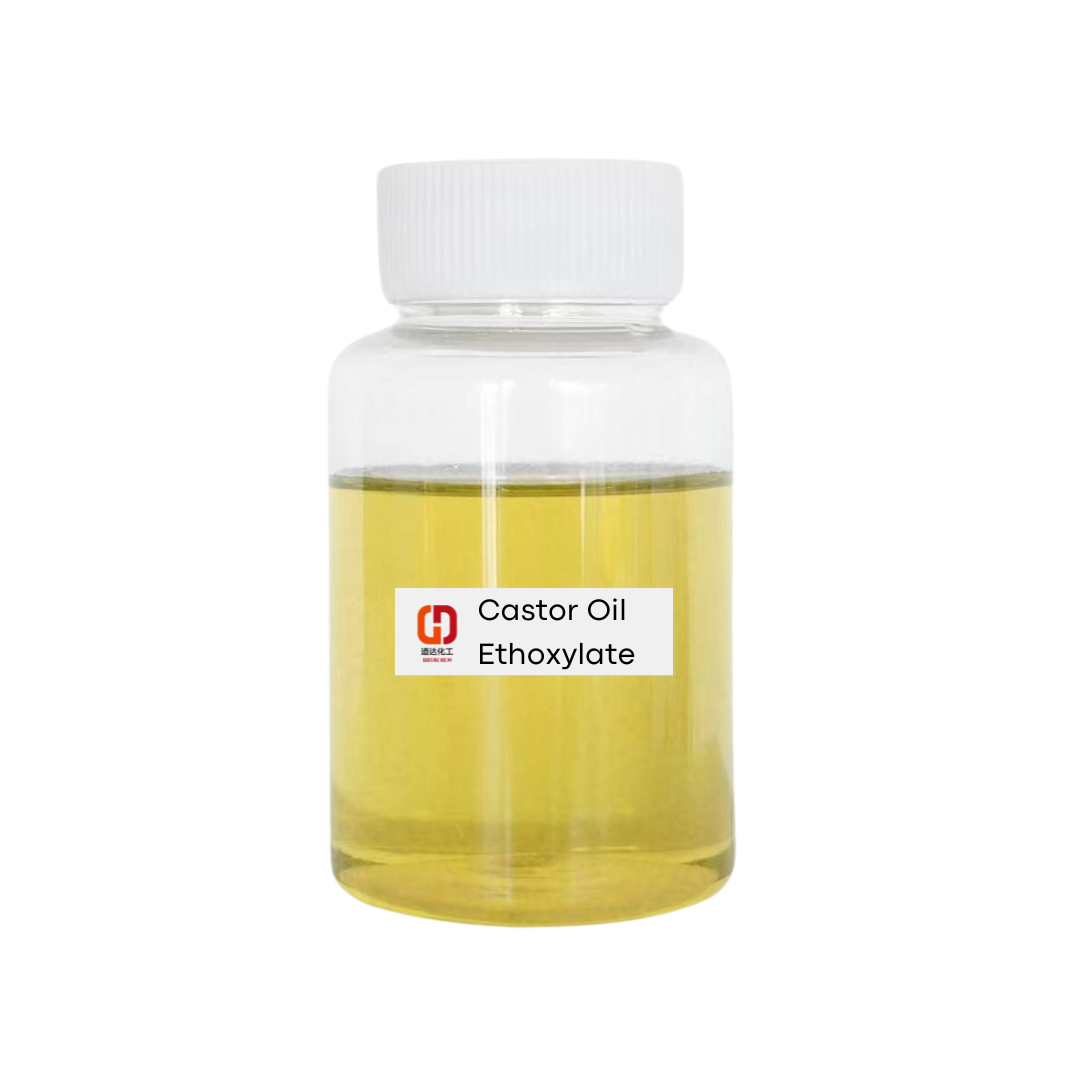
Castor oil ethoxylate is a non-ionic surfactant derived from ethoxylation of castor oil, where ethylene oxide molecules are added to its hydroxyl groups. This process yields compounds with varying degrees of ethoxylation, typically ranging from 10 to 100 ethylene oxide units, which imparts unique properties such as emulsification, wetting, and dispersing abilities. Its chemical structure consists of a triglyceride backbone from castor oil, primarily ricinoleic acid, with polyoxyethylene chains attached, making it highly soluble in water and oils, thus versatile in industrial applications. Key properties include excellent biocompatibility, low toxicity, and biodegradability, making it a preferred choice in cosmetics, pharmaceuticals, and agrochemicals, where mildness and environmental safety are prioritized.
Unlike many synthetic surfactants, castor oil ethoxylate offers a natural origin base, reducing reliance on petrochemicals and aligning with green chemistry trends. Its structure allows for tunable hydrophilicity based on ethoxylation degree, enabling custom formulations for specific needs, such as in detergents where it enhances cleaning without harsh chemicals, or in textiles as a softener and dyeing assistant. The presence of ricinoleic acid contributes to additional functionalities like anti-inflammatory and moisturizing effects, particularly valued in personal care products. This adaptability, combined with its non-irritating nature, sets it apart in markets increasingly demanding sustainable and skin-friendly ingredients.
In terms of chemical behavior, castor oil ethoxylate exhibits good stability over a wide pH range and compatibility with various electrolytes, ensuring performance in diverse formulations. Its molecular architecture facilitates micelle formation in aqueous solutions, critical for emulsifying oils and soils, while also providing lubrication and foam control in industrial processes. Research continues to explore novel derivatives and applications, such as in drug delivery systems or as a bio-based alternative in coatings, highlighting its evolving role beyond traditional uses. Ultimately, its blend of natural sourcing, functional versatility, and eco-friendly profile makes it a standout ingredient in modern chemistry.
Top Industrial Applications in Pharmaceuticals and Cosmetics
The interplay between pharmaceuticals and cosmetics drives fascinating industrial applications, blending cutting-edge science with consumer-centric innovation. One standout area is nanotechnology, where nanoparticles enhance drug delivery systems in medicine and improve the efficacy of anti-aging creams in cosmetics. For instance, lipid-based nanocarriers, initially developed for targeted cancer therapies, are now repurposed to enable deeper skin penetration of active ingredients like retinol or hyaluronic acid, making skincare products more effective. This cross-pollination not only accelerates research but also pushes both industries toward safer, more sustainable formulations. Another key application is biotechnology, leveraging enzymes and microorganisms to produce bioactive compounds. In pharmaceuticals, this means synthesizing complex molecules for drugs with fewer side effects, while in cosmetics, it results in natural, eco-friendly extracts that meet growing consumer demand for clean beauty. By sharing these technologies, companies can streamline production and reduce environmental impact, fostering a symbiotic relationship that benefits health and aesthetics alike.
Beyond shared technologies, industrial applications often focus on quality control and automation, ensuring consistency and safety across both sectors. Advanced analytical techniques, such as high-performance liquid chromatography (HPLC) and mass spectrometry, are widely used to detect impurities in drugs and verify the purity of cosmetic ingredients. Rigorous testing standards, adapted from pharmaceutical protocols, help cosmetics manufacturers guarantee product safety, minimizing risks like allergies or contamination. Additionally, automated manufacturing lines, inspired by pharmaceutical-grade cleanrooms, enable precise dosing and packaging of serums and pills alike. This integration of stringent processes not only boosts efficiency but also builds consumer trust, as people increasingly seek products that deliver on their promises without compromise. In turn, this drives innovation in smart packaging and real-time monitoring systems, further blurring the lines between medical-grade reliability and everyday beauty solutions.
A third significant application lies in personalized formulations, driven by data analytics and AI, which are revolutionizing both fields. In pharmaceuticals, industrial efforts include developing tailored medications based on genetic profiles, while cosmetics companies use similar data to create custom skincare routines. By analyzing factors like skin type, environmental exposure, and genetic markers, industries can produce bespoke products that address individual needs more effectively. This trend not only enhances consumer satisfaction but also opens new markets, as people seek solutions that go beyond one-size-fits-all approaches. The collaboration between these sectors in R&D, such as using clinical trial data to inform cosmetic ingredient safety, further highlights how industrial applications are evolving to prioritize precision and personalization, making health and beauty more accessible and impactful for everyone.
Role in Agriculture as a Surfactant and Emulsifier
In agriculture, surfactants and emulsifiers play a critical role in enhancing the effectiveness of various agrochemical formulations. By reducing surface tension, surfactants help pesticides and herbicides spread more evenly over plant surfaces, ensuring better coverage and absorption. This not only improves the efficiency of crop protection but also minimizes waste, making farming practices more sustainable and cost-effective.
Beyond just improving spray distribution, these agents are essential in creating stable emulsions for liquid fertilizers and growth regulators. Emulsifiers prevent the separation of oil and water-based components, allowing for uniform application that supports consistent plant nutrition. This stability is key to preventing clogging in equipment and ensuring that farmers can rely on their inputs to perform as expected under diverse field conditions.
Moreover, the use of surfactants and emulsifiers in agriculture contributes to environmental stewardship by enabling lower application rates of active ingredients. By optimizing how agrochemicals interact with plant tissues, these additives reduce runoff and off-target effects, helping to protect ecosystems. This nuanced approach highlights their value not just in boosting yields, but in fostering more resilient and eco-friendly agricultural systems.
Environmental Impact and Biodegradability Advantages
One of the standout benefits of this product lies in its minimal environmental footprint. Unlike traditional materials that can linger in ecosystems for centuries, our innovative solution is designed from the ground up to break down naturally over time. This means less waste clogging landfills and oceans, and a significant reduction in the long-term harm to wildlife and habitats. By choosing this, users actively contribute to a cleaner planet without sacrificing quality or performance.
What sets it apart is how quickly it returns to nature. While many so-called 'eco-friendly' options still take decades to decompose, this material is engineered to biodegrade efficiently under typical conditions, often within months to a few years. This rapid breakdown process not only lessens environmental strain but also supports healthier soil and water systems, as it releases harmless byproducts that enrich rather than pollute. It's a game-changer for industries seeking sustainable alternatives that don't compromise on durability.
In practice, this translates to real-world advantages. From packaging to consumer goods, the use of biodegradable materials helps curb the global plastic crisis and reduces reliance on fossil fuels. It's not just about disposal; the entire lifecycle, from production to decomposition, is optimized for lower carbon emissions and resource use. By integrating these features, we're paving the way for a future where products harmonize with nature, offering a practical path forward for eco-conscious businesses and consumers.
Market Trends and Global Demand Drivers
In today's interconnected world, market trends are increasingly shaped by a complex web of global demand drivers that extend far beyond traditional economic indicators. From shifting consumer preferences for sustainable products to technological advancements that redefine industries, these forces are constantly reshaping business landscapes. Companies that can adeptly navigate these dynamics often find themselves better positioned to capitalize on emerging opportunities, whether it's through innovative supply chains or targeted marketing strategies that resonate with diverse audiences across continents.
One of the most striking trends in recent years has been the rapid growth of the digital economy, which acts as a powerful catalyst for global demand. As more people gain access to the internet and mobile devices, e-commerce platforms and digital services are experiencing unprecedented surges in usage, particularly in emerging markets. This digital transformation isn't just about convenience; it's driving demand for everything from cloud computing infrastructure to cybersecurity solutions, reflecting a broader shift towards technology-driven consumption patterns that transcend geographical boundaries.
Environmental and social factors are also playing a pivotal role in shaping global demand, with sustainability becoming a key driver for many industries. Consumers and corporations alike are increasingly prioritizing eco-friendly products and ethical practices, leading to a rise in demand for renewable energy sources, circular economy models, and transparent supply chains. This trend is further amplified by regulatory changes and public awareness campaigns, making it essential for businesses to adapt or risk falling behind in a market where demand is increasingly tied to values and long-term impact.
Practical Tips for Sourcing and Quality Assurance
Effective sourcing starts by building strong relationships with suppliers. Go beyond just checking certifications; visit their facilities if possible to see operations firsthand. This hands-on approach helps you gauge reliability and spot potential issues early on, ensuring you partner with vendors who align with your quality standards and values.
For quality assurance, implement regular, surprise audits rather than scheduled ones. This keeps suppliers on their toes and provides a more accurate picture of their everyday practices. Combine these audits with data analytics, using metrics like defect rates and delivery times to track performance continuously, not just at contract renewal.
Incorporate feedback loops involving end-users or customers into your quality checks. Their insights can reveal subtle flaws that internal teams might overlook, helping refine products over time. This customer-centric method strengthens your sourcing strategy by directly linking quality to real-world satisfaction and loyalty.
FAQ
Castor oil ethoxylate is widely used in surfactants for personal care products, lubricants in textiles, and emulsifiers in agrochemical formulations due to its non-toxic and biodegradable properties.
Its demand stems from versatility across sectors like cosmetics, pharmaceuticals, and agriculture, coupled with increasing consumer preference for eco-friendly and sustainable ingredients.
It offers unique characteristics such as better solubility in water, enhanced emulsifying power, and lower skin irritation compared to alternatives like coconut or palm oil ethoxylates.
Prices fluctuate based on crop yields of castor seeds, regional supply chain disruptions, regulatory changes in chemical safety, and shifts in demand from end-use industries.
Yes, by adjusting the degree of ethoxylation during synthesis, it can be tailored for varied uses, from thickeners in creams to dispersants in paints, enhancing its market adaptability.
It is derived from renewable castor plants, biodegradable, and reduces reliance on petroleum-based chemicals, aligning with green initiatives and reducing ecological footprints.
Traders should verify certifications like REACH compliance, conduct purity tests, monitor viscosity and pH levels, and source from reputable manufacturers to ensure market competitiveness.
Conclusion
Castor oil ethoxylate, derived from castor beans, stands out as a versatile non-ionic surfactant with a unique chemical structure that includes a hydrophobic fatty acid chain and hydrophilic ethoxylate groups. This composition grants it excellent emulsifying, wetting, and solubilizing properties, making it highly suitable for demanding industrial applications. In pharmaceuticals and cosmetics, it enhances product stability and skin compatibility, while in agriculture, it serves as an effective surfactant and emulsifier in pesticides and fertilizers, improving absorption and efficacy. Its biodegradability and low environmental impact offer significant advantages over synthetic alternatives, aligning with increasing sustainability trends. Market demand is driven by growth in these sectors and global shifts toward eco-friendly solutions. For traders, sourcing requires attention to quality assurance, such as verifying ethoxylation degree and purity, to meet industry standards and capitalize on this high-demand compound.
Understanding market trends is crucial for traders, as global demand for castor oil ethoxylate rises due to its multifaceted applications and environmental benefits. Key drivers include expanding pharmaceutical and cosmetic industries, where it is valued for its non-toxic and hypoallergenic nature, and agricultural advancements that leverage its surfactant properties. Practical sourcing tips involve selecting reputable suppliers who provide certifications and detailed product specifications, ensuring consistency and reliability. By focusing on these aspects, traders can navigate the competitive landscape, offering high-quality products that meet diverse industrial needs. This guide highlights how castor oil ethoxylate's unique properties and wide-ranging uses make it a lucrative commodity in today's market, emphasizing the importance of strategic sourcing and quality control for successful trading.
Contact Us
Contact Person: Levi
Email: [email protected]
Tel/WhatsApp: +86 532 84688720
Website: https://www.polykem-intl.com