

Bulk Stem Caster Wheels: Unlocking Efficiency for Your Company
2026-07-12
Did you know that the humble caster wheel could be the silent bottleneck in your material handling workflow? When every second counts, bulk stem caster wheels from CMCL step up to deliver the durability and smooth rolling your operations demand—no matter the load or terrain. In this post, we’ll break down how these often-overlooked components can dramatically boost efficiency and cut downtime, while keeping your team on the move.
Why Bulk Stem Caster Wheels Are a Smart Investment
Buying stem caster wheels in larger quantities often feels like a big commitment upfront, but the numbers tell a different story once you break them down. Per-unit costs drop noticeably when you order in bulk, and that kind of saving adds up quickly if you run a workshop, manage a warehouse, or resell components. Beyond the price advantage, you also cut down on frequent shipping fees and the time lost placing repeat orders. The math is simple: fewer transactions and lower per-wheel costs free up cash for other parts of your operation.
Another angle people don't talk about enough is consistency. When you buy a full batch from the same production run, every caster matches—same stem size, same tread hardness, same swivel action. That uniformity matters more than you'd think, especially when you're outfitting a fleet of carts, dollies, or workstations. Nothing grinds productivity to a halt like pulling a replacement wheel from the shelf and finding out it's just slightly different, causing wobble or uneven wear. Bulk purchasing sidesteps that headache entirely.
There's also the sheer convenience of having spares on hand exactly when you need them. Equipment breakdowns don't wait for convenient moments, and a damaged caster can stop a production line or create a safety hazard in seconds. Keeping a healthy stock means you can swap out a failed wheel immediately instead of scrambling to source one. That kind of readiness keeps your workflow smooth and your team safe, which is an investment that pays for itself over and over again.
How to Identify High-Quality Stem Casters for Heavy Loads
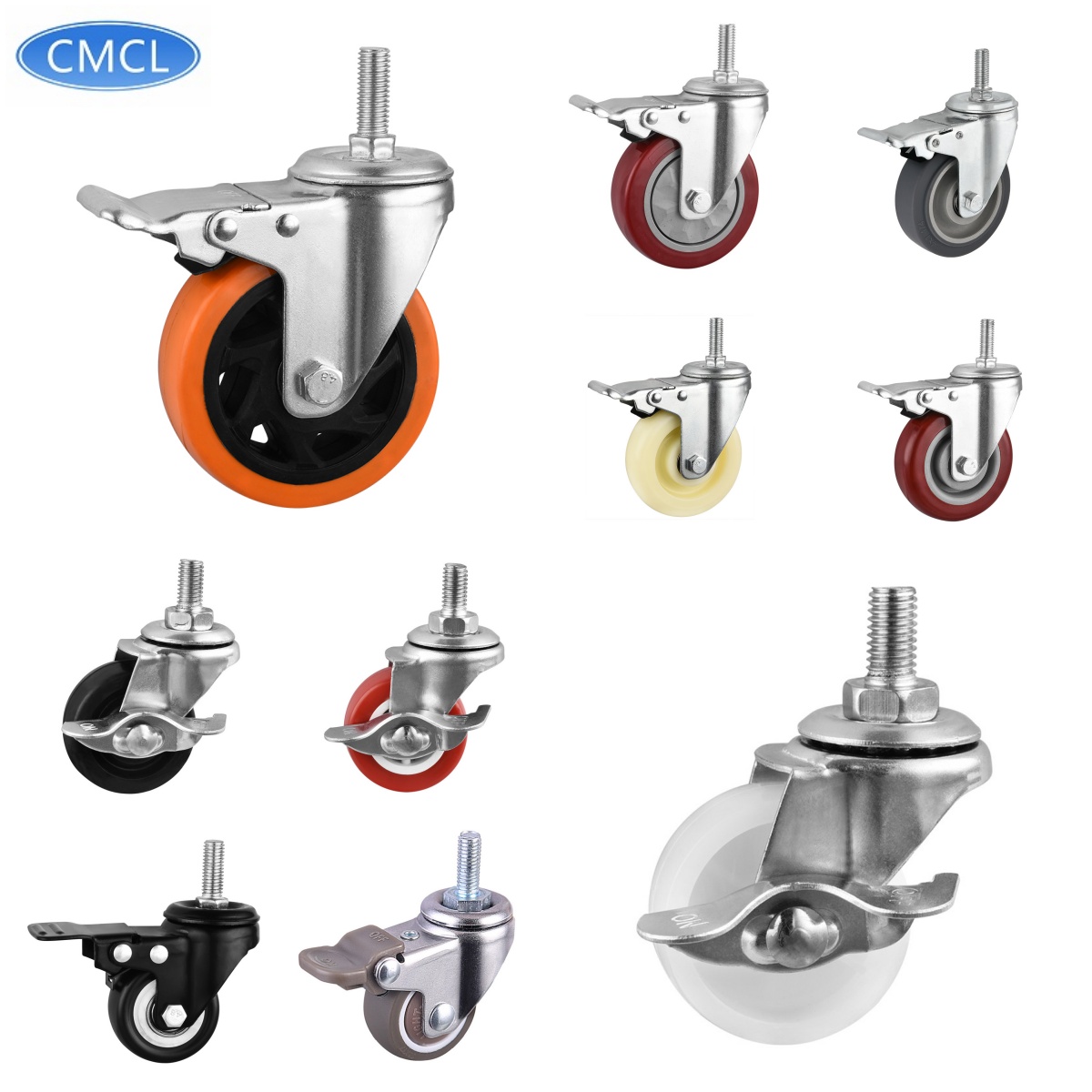
Spotting a stem caster that can truly handle heavy loads is more than just checking a weight rating on a label. Begin by examining the stem itself—look for a solid, one-piece forged steel stem instead of a welded assembly. Forged stems resist bending and snapping under constant stress, and the diameter should match the demands of your application. A thicker stem with a properly sized top plate or threaded design distributes force evenly, preventing premature wear on the mounting hole. Don’t overlook the finish: a high-quality zinc or chrome plating wards off corrosion, which is crucial if the casters will operate in challenging environments.
Pay close attention to the wheel materials and bearing system. For heavy loads, polyurethane treads bonded to a cast iron or aluminum core deliver the best combination of shock absorption and rolling ease, while resisting flat-spotting during idle periods. The bearings inside the wheel are just as critical—look for precision ball bearings that are sealed to keep out dust and debris. If the caster will be pushed manually under load, tapered roller bearings in the swivel raceway make steering effortless, even with several thousand pounds pressing down. Give the caster a spin; quality units rotate smoothly with no wobble, a sign the raceway is precisely machined.
Finally, evaluate the locking and fastening mechanisms if you need a total-lock or directional-lock feature. A robust total-lock brake should immobilize both the wheel and the swivel simultaneously with a single action, using a metal-to-metal engagement that won’t slip under stress. Test the lock’s pedal feel—it should engage firmly without excessive play, indicating tight tolerances. Also consider whether the caster has maintenance features like a grease zerk on the swivel section for periodic lubrication. In demanding settings, these details separate casters that merely claim heavy-load capacity from those that deliver years of reliable service.
Streamlining Operations with the Right Caster Selection
The right casters can transform how materials move through a facility, often in ways that go unnoticed until something goes wrong. Poor choices lead to carts that wobble, wheels that bind on debris, or repeated strain injuries from pushing overloaded equipment. When maintenance teams spend hours swapping out seized casters or operators struggle to maneuver heavy loads through tight aisles, the hidden costs accumulate fast. Selecting casters that match floor conditions, load weights, and movement patterns eliminates these daily frictions, freeing up staff to focus on value-added tasks rather than wrestling with uncooperative equipment.
Beyond basic mobility, the right caster selection threads into broader operational dynamics like noise control, floor preservation, and workplace safety. A hospital choosing soft-tread casters for patient beds isn't just thinking about quiet hallways—it's factoring in infection control, ease of cleaning, and the long-term wear on expensive epoxy flooring. Similarly, a manufacturing plant evaluating high-temperature casters for autoclave carts is aligning equipment choices with process workflows, avoiding downtime caused by wheel failure at critical moments. These decisions ripple through shift changes and seasonal peak demands, where equipment that rolls smoothly keeps timelines on track without requiring extra hands or heroic efforts.
Operational streamlining isn't a one-off fix but a continuous refinement, and casters are a surprisingly leverageable point of control. Implementing a standardization program—choosing a few interchangeable swivel and rigid caster models for the majority of rolling equipment—dramatically shrinks spare parts inventory and simplifies repairs. When maintenance can swap a damaged caster in minutes without hunting for obscure parts, the approval chain for capital purchases can also become nimbler, with decision-makers seeing clear links between low-cost component upgrades and measurable gains in throughput. The result is a quieter, more predictable operational rhythm where the things that move, move well.
Common Mistakes When Ordering Bulk Casters and How to Avoid Them
One slip-up we see often is getting the wheel material wrong for the actual floor conditions. A caster that rolls smoothly on polished concrete might tear up a tile surface or get bogged down on carpet. Instead of trusting generic descriptions, check the durometer rating and ask for a sample to test on your facility’s floors. That ten-minute test can save a whole pallet of unusable hardware.
Another headache comes from overlooking the mounting plate dimensions. Even a half-inch discrepancy can force you to drill new holes or weld additional brackets—costly delays when you’re outfitting hundreds of carts. Pull one of your existing casters and measure the bolt-hole pattern precisely; don’t rely on memory or the old invoice. And if your equipment has uneven weight distribution, consider a caster with a slightly higher load capacity than the math suggests, because dynamic forces during turns aren’t as forgiving as static numbers on a spec sheet.
Finally, fastener compatibility tends to trip people up. Using the wrong bolt length or thread type can cause the caster to work loose under vibration, or worse, strip the mounting surface. Always match the fastener grade to the load and environment—stainless steel in wet areas, for instance—and use locking washers or threadlocker where movement is constant. A few extra cents per bolt upfront prevents inventory from rolling into a safety incident later.
Matching Stem Casters to Your Flooring and Environment
Choosing the right stem caster isn't just about load capacity or wheel size—it starts with understanding where and how the caster will be used. Hard surfaces like concrete or tile can handle harder wheel materials, but they may also amplify noise and vibration. Softer floors, such as hardwood, vinyl, or laminate, demand wheels that won't scratch or leave marks. For these, non-marring materials like soft rubber or polyurethane are ideal. If your environment includes thresholds, grates, or uneven surfaces, a larger wheel diameter and a more forgiving tread can prevent jarring stops and make movement smoother.
Environmental conditions also play a huge role. In wet, oily, or chemically aggressive settings—think commercial kitchens, laboratories, or outdoor areas—standard materials can quickly degrade. Stainless steel stems and rust-resistant bearings become essential, paired with wheels formulated to resist corrosion and absorption. Temperature extremes present another challenge. High heat can soften some plastics, while freezing conditions can make rubber brittle. Specifying the right combination of stem, bearing, and wheel material tailored to the environment your equipment will face is what keeps a caster rolling reliably long after installation.
Beyond the obvious, consider how flooring type affects long-term maintenance. Hard wheels on a soft floor might roll easily at first, but they can gradually grind grit into the surface, leaving permanent scuffs or wear paths. Conversely, soft wheels on rough concrete can abrade quickly, shedding debris that clogs bearings. Matching the caster tread to the floor's hardness, texture, and cleanliness requirements reduces downtime and protects both your floors and your investment. It's not simply about preventing damage—it's about ensuring consistent effort-free movement every day.
Long-Term Savings: The Hidden Benefit of Bulk Purchases
It’s easy to spot the immediate discount when you grab a family-sized pack of detergent or a case of canned beans. But the real financial shift happens quietly over the next several months. By locking in today’s prices on items you consistently use, you sidestep the steady drip of inflation that pushes grocery bills higher. A few cents saved per ounce this week might not feel like much, but multiply that by dozens of staples and stretch it across a year, and you’ve built a quiet shield against rising costs—one that grows more valuable the longer you keep the habit.
There’s another layer most people overlook: the psychology of fewer shopping trips. When you stop running to the store every few days, you naturally dodge the small, unplanned grabs—the candy bar at checkout, the “limited time” snack that wasn’t on your list. Over weeks, those avoided impulse buys keep a surprising amount of money in your account, often outweighing the upfront bulk discount. And fewer trips also mean less fuel burned and less time wandering aisles, which, hour by hour and gallon by gallon, translates into a leaner budget and a calmer week.
Beyond the household staples, bulk buying can reshape how you approach bigger seasonal expenses. Think about school supplies, holiday decor, or even gardening materials—stocking up in the off-season or during clearance events means you pay a fraction of the peak price. That kind of proactive shopping turns sporadic large bills into manageable, predictable expenses, smoothing out the financial bumps that often catch families off guard. The hidden benefit isn’t just saving money; it’s gaining control over when and how you spend it, which over time feels less like budgeting and more like freedom.
FAQ
Stem caster wheels are small wheel assemblies with a stem that mounts into equipment legs or frames. They’re crucial for making carts, racks, and trolleys mobile, which streamlines material handling and reduces manual lifting in warehouses and factories.
Buying in bulk lowers the per-unit cost significantly, and you have a consistent supply when replacements are needed, avoiding downtime. It also simplifies procurement and inventory management, letting your team focus on core tasks instead of chasing single orders.
There are rigid and swivel types, plus ones with brakes. For heavy-duty use, look for swivel casters with double ball bearings and a thick top plate or threaded stem. Polyurethane wheels with high load ratings handle rough floors and heavy loads best.
Common materials include rubber, polyurethane, nylon, and steel. Rubber absorbs shock and protects floors, polyurethane offers a balance of durability and quiet rolling, nylon is hard and resistant to chemicals, and steel handles extreme weights. The choice impacts floor wear, noise, and load capacity.
Measure the stem’s diameter and length from your equipment’s mounting hole. Then calculate the maximum weight each caster will support (total load plus equipment weight divided by number of wheels). Always add a safety margin — choose a capacity that exceeds your estimate by at least 25%.
Regularly clean debris from the wheel surface and swivel raceway. Lubricate bearings with light oil every few months unless they’re sealed. Check for stem tightness and replace any wheel with flat spots immediately to prevent uneven wear and safety hazards.
Absolutely. High-quality stem casters roll easier, reducing the force needed to push heavy carts, which lowers strain on workers’ backs and shoulders. Smoother motion also means fewer sudden stops or jerks that can cause accidents.
Individual purchases often have higher shipping costs per unit, and you risk mismatched wheel styles over time. Emergency orders disrupt workflows, and the unplanned expense can strain budgets. Bulk buying provides price stability and operational predictability.
Conclusion
Investing in bulk stem caster wheels can fundamentally transform how your company handles material movement, offering both immediate operational gains and long-term financial benefits. Unlike piecemeal purchases, buying in volume secures better pricing and ensures you always have the right components on hand, minimizing downtime when casters wear out or break. But to truly unlock efficiency, you need to select casters that match your specific conditions—from floor surfaces to load capacities. High-quality stem casters designed for heavy loads reduce the risk of failure, protecting both your equipment and workforce. Pay close attention to wheel materials and bearing types; polyurethane on iron cores, for example, resists wear while rolling smoothly across different surfaces. Avoiding common mistakes, such as overlooking floor conditions or ignoring load limits, keeps your operations running without unexpected interruptions.
Matching casters to your environment is equally critical. Rough or uneven floors demand wheels that absorb shock and resist debris buildup, while wet or corrosive areas require stainless steel or sealed bearings. When you streamline caster selection across your facility, maintenance becomes simpler and inventory more predictable. Over time, the hidden savings multiply: fewer replacements, less strain on maintenance teams, and reduced product damage from unstable carts. Bulk ordering also cuts per-unit costs, freeing up capital for other improvements. By treating stem casters as a strategic asset rather than a commodity, your company can boost efficiency, safety, and profitability in ways that add up meaningfully over the lifecycle of your equipment.
Contact Us
Contact Person: Ruby
Email: [email protected]
Tel/WhatsApp: +86 13360379367
Website: https://www.cmcl-casters.com