

Best Red Light Therapy: Proven Benefits, Top Devices, and Expert Buying Tips
2026-08-12
Red light therapy is transforming wellness, but with so many options, finding the right device can feel overwhelming. At Omeina, we've cut through the hype to bring you science-backed benefits, top-rated devices, and insider tips that simplify your choice. Ready to see why thousands are switching to this non-invasive glow-boosting treatment?
What Red Light Therapy Actually Does (And What It Doesn’t)
Red light therapy, at its core, uses specific wavelengths of light to penetrate the skin and interact with cells. The main target is the mitochondria, the energy powerhouses inside your cells. When mitochondria absorb red and near-infrared light, they can produce more adenosine triphosphate (ATP), the molecule that fuels nearly every cellular process. This boost in energy allows cells to function more efficiently, repairing damage, reducing oxidative stress, and signaling other helpful processes like increased blood flow. It’s not magic, just a nudge to help your cells do what they already know how to do, but better.
So what does this actually translate into for everyday use? For many, the most noticeable benefit is improved skin health. The extra cellular energy can ramp up collagen production, meaning finer lines might soften, and wounds or sun damage could heal faster. It’s also used to calm inflammation—think joint pain, muscle soreness, or even chronic conditions like arthritis, where reducing swelling can bring real relief. Some athletes swear by it for quicker recovery, and there’s growing interest in its potential to support hair growth if follicles are still active. But it’s not a one-stop fix; results are usually cumulative, requiring consistent sessions over weeks or months, and they vary widely from person to person.
Just as important is what red light therapy doesn’t do. It doesn’t burn fat, cure major diseases, or instantly erase deep wrinkles. You won’t walk out after one session looking like a different person, and it can’t replace healthy habits like diet, exercise, or seeing a doctor for serious medical issues. There’s no ionizing radiation, so it doesn’t damage DNA like UV light, but weak or poorly made devices might do little more than lighten your wallet. It’s a supportive tool, not a miracle, and understanding its limits keeps expectations realistic while still appreciating the real, if gradual, changes it can provide.
The Science-Backed Benefits That Go Beyond Skin Deep
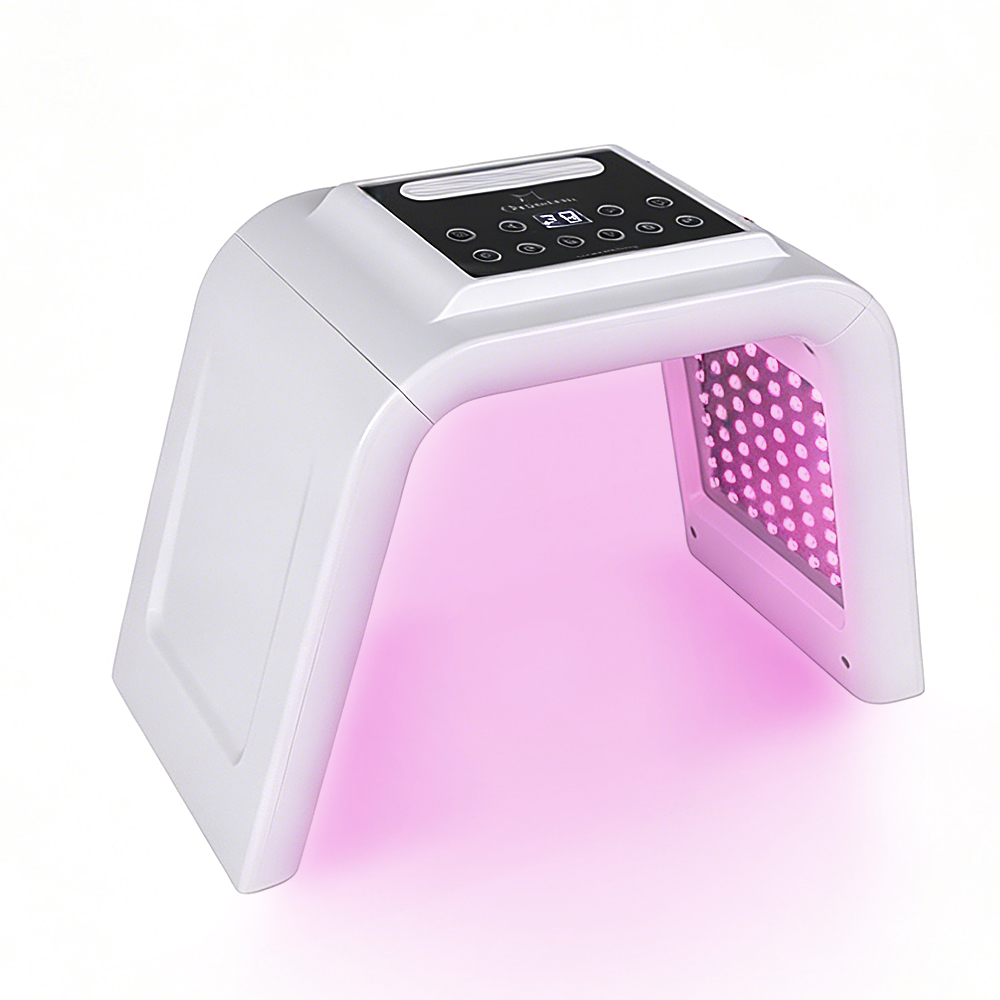
What happens beneath the surface often matters more than what’s visible on the outside. When we talk about skin benefits, the focus tends to stay at the level of complexion or texture, but the real story runs much deeper. Emerging studies show that the same compounds that support a clearer, smoother appearance—like polyphenols and carotenoids—also help protect cellular integrity, reduce systemic oxidative stress, and even modulate inflammatory pathways that affect everything from cardiovascular health to cognitive function. It’s not just about looking vibrant; it’s about creating a foundation of resilience that radiates from within.
The overlap between skin vitality and whole-body wellness isn’t accidental. For instance, research on nicotinamide adenine dinucleotide (NAD+) precursors reveals they don’t just improve the skin’s response to UV damage—they also enhance mitochondrial efficiency in muscles and nerve cells. Similarly, the gut-skin axis highlights how shifts in microbial balance can dampen systemic inflammation, yielding benefits that show up not only as a calmer complexion but as improved metabolic markers and mood stability. These connections reframe the way we think about topical or ingestible routines: each supportive habit is a multisystem investment, quietly reshaping long-term health trajectories while the skin diaries the progress in its own quiet language.
Top Devices That Deliver Real Results (Not Hype)
Finding devices that actually live up to their claims can feel like a wild goose chase in today’s marketing-saturated landscape. The models that truly deliver aren’t always the loudest or most heavily promoted—they’re often the ones quietly earning loyal followings through consistent, measurable performance over time. Whether it’s a precision cooking appliance that turns out restaurant-quality meals without the learning curve, or a sleep tracker that genuinely improves your rest patterns instead of just collecting data, these tools earn their place in your daily life by solving real problems without the fanfare.
What separates the genuinely effective devices from the overhyped also-rans often comes down to iterative engineering rather than flashy features. Look for products that have evolved through multiple generations, incorporating user feedback to refine core functions instead of piling on gimmicks. A good test: check if long-term users rave about reliability and ease of integration into existing routines, not just initial wow-factor. The best devices become almost invisible in their usefulness—they work so seamlessly that you stop thinking about the technology and simply enjoy the results.
Ultimately, the devices worth your investment are those that demonstrate their value in your daily outcomes, not in spec sheets or sponsored reviews. Seek out products with transparent, verifiable user communities where people share unfiltered before-and-after experiences. When a device consistently helps real users achieve tangible goals—be it fitness milestones, energy savings, or creative breakthroughs—it transcends hype and becomes a genuinely transformative part of their lives. That’s the quiet signal of real results.
Expert Criteria for Picking a Device That Lasts
Longevity in a device isn't just about rugged exteriors or bold marketing claims—it hinges on the underlying engineering philosophy. Look for modular components that can be replaced individually, such as batteries, screens, or even ports, as this signals a design focused on repairability. Manufacturers that invest in high-quality thermal management and avoid stuffing the fastest chips into impossibly thin chassis tend to produce hardware that doesn't cook itself to death. Checking if the device has a track record of software updates spanning several years is equally telling, because a device abandoned by its maker becomes a security risk long before the hardware fails.
Materials matter more than aesthetics, and subtle details separate the durable from the disposable. Stainless steel frames, sapphire crystal displays, and liquid silicone seals against dust and moisture all point to a device built for the long haul. Don't be dazzled by a sleek glass back that shatters on the first drop; instead, prioritize functional coatings that resist scratches and oleophobic layers that hold up to years of use. The charging port, often the first failure point, should have reinforcement and ample clearance around it, while physical buttons need tactile stability that doesn't degrade into mushiness after heavy usage.
A truly lasting device aligns with a broader ecosystem that extends its usable life through accessories, service networks, and backwards compatibility. Choose brands where third-party repair shops can easily source genuine parts and clear teardown guides are publicly available. Pay attention to how the company handles battery health: some degrade gracefully with optimized charging algorithms and offer affordable official replacements without punishing you with non-removable adhesive nightmares. Finally, verify that the device's wireless standards and connectivity protocols aren't on the brink of obsolescence, as a decade-long workhorse shouldn't be axed by a network sunset.
Common Mistakes Most Buyers Make (And How to Avoid Them)
One of the most frequent missteps is focusing solely on price without considering the total value. Buyers often chase the lowest upfront cost, only to discover later that hidden fees, poor quality, or lack of support make the purchase far more expensive in the long run. To avoid this, always evaluate the full package—warranty, durability, and after-sales service—not just the price tag. A slightly higher initial investment can save you from costly headaches down the road.
Another common error is rushing through the research phase. Many buyers make impulsive decisions based on flashy advertising or limited-time offers, skipping crucial steps like reading reviews, comparing alternatives, or testing the product firsthand. This often leads to regret when the item doesn’t meet expectations. Slow down and do your homework: seek out unbiased opinions, ask for recommendations, and if possible, try before you buy.
Overlooking the fine print is a trap that ensnares even experienced buyers. Contracts, warranties, return policies, and terms of service often contain clauses that can undo a good deal. Skimming these details can result in unexpected charges, voided warranties, or no recourse if something goes wrong. Always take the time to read and understand the terms fully, and don’t hesitate to ask questions or negotiate points that seem unfair.
Your Simple Routine for Maximum Benefits
Getting the most out of your daily routine doesn't require a complicated plan. The key is to strip away everything that isn't essential and focus on what genuinely moves the needle. Start with a short morning stretch to wake your body up, followed by five minutes of quiet breathing or sipping warm water in silence. This small pocket of calm sets the tone, making it easier to handle whatever the day throws at you without feeling drained by noon.
Later, weave in a brisk walk or a set of bodyweight exercises—something that fits into your real schedule, not an idealized version of it. The secret is consistency without pressure; even ten minutes counts. Pair this with a simple night wind-down: a dimly lit room, a book instead of a screen, and a quick note of three things that went right. These aren't radical changes, but they compound over weeks. You'll notice better sleep, a clearer mind, and a surprising lift in energy without overhauling your entire life.
FAQ
Red light therapy uses specific wavelengths of light to penetrate the skin and stimulate cellular repair. It helps boost collagen production, reduce inflammation, and accelerate healing, making it popular for skin rejuvenation, pain relief, and muscle recovery.
Start by checking the wavelength range—look for devices offering 630-660 nm and 810-850 nm for deeper tissue effects. Consider the power output (measured in mW/cm²) and treatment area size. Panel-style devices work well for full-body use, while targeted wands or masks suit facial treatments. Build quality and clear safety certifications also matter.
Clinical studies support its ability to improve skin texture and reduce fine lines, ease joint pain and arthritis symptoms, speed up wound healing, and even support hair regrowth. Consistency is key—most benefits appear after several weeks of regular use.
Yes, many athletes use it to reduce post-exercise soreness and inflammation. By increasing blood flow and mitochondrial activity in cells, it helps repair microtears in muscle tissue faster, so you can get back to training sooner with less discomfort.
Using the device too close to the skin can cause irritation without extra benefit—maintain the recommended distance. Skipping sessions or being inconsistent slows results. Also, expecting instant changes; it works gradually, so patience is necessary. Finally, not protecting the eyes if the device doesn't have built-in shields.
Check for third-party testing and FDA clearance as medical device. Look at the LED density and lifespan—more LEDs per area and longer rated hours (50,000+) indicate durability. A reputable brand will offer clear specs, a solid warranty, and responsive customer support.
It's generally safe but some may experience mild redness, tightness, or dryness initially. People with light-sensitive conditions or on photosensitizing medications should consult a doctor. Rarely, overuse might cause hyperpigmentation; following guidelines minimizes risks.
Conclusion
Red light therapy isn't just another fleeting wellness trend—it's a scientifically grounded approach that uses specific wavelengths of light to energize cells and accelerate repair. Unlike tanning beds or infrared saunas, it doesn't generate heat or damage skin; instead, it gently stimulates mitochondria to produce more ATP, which fuels cellular function. This means it can genuinely improve skin elasticity, reduce fine lines, and speed wound healing. But the benefits extend far beyond the surface: research points to reduced inflammation, relief from joint pain, faster muscle recovery, and even improved sleep and cognitive function. The key is consistent, low-level exposure that works with your body's natural rhythms, not against them.
Of course, results depend heavily on the device you choose and how you use it. The market is flooded with options, but only a few deliver therapeutic irradiance and proper wavelengths (red 630–660 nm and near-infrared 810–850 nm) without cutting corners on build quality. Look for medical-grade LEDs, precise power density, and third-party safety certifications—flimsy panels or vague specs are red flags. Many buyers fixate on price or flashy marketing, only to end up with underpowered gadgets that do little more than emit a pretty glow. Instead, prioritize durability, treatment area size, and a warranty that actually means something. Once you own a reliable device, simplicity wins: aim for 10–20-minute sessions a few times a week on clean skin, stick with it for at least a few months, and pay attention to how your body responds. Adjusting distance and duration based on personal comfort—not obsessive monitoring—leads to the best long-term outcomes.
Contact Us
Contact Person: Tina Liu
Email: [email protected]
Tel/WhatsApp: 8618681405932
Website: https://www.omeinabeauty.com/