
Best Packaging for Wine: A Comprehensive Guide for Every Enthusiast
2026-07-25
Wine packaging is far more than a protective shell—it’s a statement of quality, a whisper of the story inside. Whether you’re a casual sipper or a seasoned collector, the right packaging preserves flavor, elevates presentation, and even reflects your personal style. In this guide, we’ll uncork the essentials, from eco-friendly boxes to luxurious gift sets, and reveal how Kody redefines the art of wine presentation. Get ready to discover packaging that’s as exceptional as the wine itself.
The Unseen Influence of Packaging on Your Wine Experience
From the moment a bottle catches your eye on a shelf, packaging begins to shape your expectations long before the first sip. The weight of the glass, the texture of the label, and even the sound of the cork being released all contribute to a multisensory prelude that can heighten or dampen your perception. A heavier bottle often signals luxury, while a minimalist label might suggest a modern, approachable style. These subtle cues prime your brain, influencing how you’ll interpret the wine’s aroma and flavor.
The color and shape of the label, foil capsule, and closure type also play silent roles. A deep red label on a Bordeaux bottle evokes tradition and richness, whereas a crisp white label on a slender Alsace flute hints at freshness and precision. Even the choice between a natural cork and a screwcap can stir unconscious biases—cork whispers of heritage, while screwcap might imply a casual, fruit-forward character. Often, these visual and tactile elements color your expectations so strongly that they override the actual taste, making the packaging an invisible co-author of your experience.
Moreover, the practical design of the bottle affects how you serve and enjoy the wine. A heavy, dark glass protects fragile whites from light damage, preserving delicate nuances, while ergonomic shapes influence pouring comfort and even decanting rituals. These seemingly mundane details quietly guide your actions, ensuring that the wine arrives in your glass under conditions the producer intended. In this way, packaging doesn’t just contain wine—it actively participates in the narrative, turning a simple drink into a curated moment.
Materials That Go Beyond the Ordinary
In a world saturated with the commonplace, materials that transcend the ordinary possess an almost magnetic pull. They are not merely substances but narratives waiting to be touched, offering a dialogue between the maker’s intent and the user’s senses. These are the materials that refuse to be invisible; they demand attention through unexpected textures, surprising durability, or an uncanny lightness that challenges our assumptions about weight and strength.
Consider surfaces that heal their own scratches, fabrics that adapt their breathability to the body’s microclimate, or composites that harvest energy from ambient vibration. Such innovations do more than serve a functional purpose—they redefine the relationship between object and environment, blurring the line between inert matter and responsive entity. The raw ingredients might be familiar, but their reconfiguration at the molecular or structural level elevates them into something that feels almost preternatural.
Beyond technical prowess, there’s a profound aesthetic dimension at play. Ordinary materials whisper; these extraordinary ones sing. A simple panel might shift its hue with the angle of light, not through superficial coating but because of an inner optical architecture. A molded form could be as dense as hardwood yet translucent like amber, inviting light to travel where it normally wouldn’t. This is material design stepping out of the background, turning every object into an experience that lingers in curiosity and wonder.
Crafting a Visual Identity That Speaks Volumes
Your visual identity is more than just a logo or a color palette—it's the silent ambassador of your brand, shaping perceptions before a single word is exchanged. When every curve, hue, and texture aligns with your core values, the result is a language that resonates deeply with your audience, telling a story that feels both authentic and magnetic.
The art lies in distilling the essence of what you stand for into something tangible yet evocative. It's not about following trends; it's about unearthing the unique thread that ties your mission to the emotions you want to evoke. A thoughtfully crafted identity feels inevitable—as if it couldn't have existed any other way—and that sense of rightness is what builds lasting trust and recognition.
Every choice, from typography to whitespace, becomes a deliberate note in a visual symphony. When executed with clarity and intent, these elements don't just decorate; they communicate. They turn the abstract into the unforgettable, ensuring that your brand doesn't merely show up—it leaves an imprint that lingers long after the moment has passed.
Shielding Your Bottle from the Rigors of Transit
Transport isn't gentle—bottles face vibration, drops, and pressure shifts. We've engineered packaging that treats fragility as a design challenge, not an afterthought. Each bottle is cradled in custom-formed foam that disperses impact energy across its entire surface, not just the obvious high-risk zones.
The trick lies in using materials that don't just absorb shock but actively redirect it, keeping the bottle suspended in a protective cocoon. Even air pockets are strategic, preventing internal shift during long-haul movement. Before a single seal is broken, our packaging has already withstood stress tests far exceeding real-world conditions.
What you don't see matters: temperature-resistant coatings, humidity barriers, and pressure equalization valves work silently to ensure your bottle arrives as pristine as it left the line. It's peace of mind, shaped by obsessive engineering.
Eco-Conscious Choices That Don’t Sacrifice Elegance
Sustainability often evokes images of rough textures and muted aesthetics, but modern eco-friendly design shatters that stereotype. It embraces materials like organic linen, reclaimed wood, and recycled glass, which bring a story of renewal without compromising on sophistication. Imagine a dinner table set with handblown glassware made from post-consumer bottles, each piece carrying subtle variations that speak to its artisanal origin. These choices infuse a space with depth, proving that mindful living can coexist with refined taste.
The beauty of eco-conscious elegance lies in the details—natural dyes that produce richer, more nuanced hues than synthetic chemicals ever could, or furniture crafted from sustainably harvested hardwoods that develop a cherished patina over time. Even the smallest accents, like organic cotton throws or beeswax candles, elevate a room’s ambiance while honoring the planet. It’s a shift in perspective: rather than seeing limitations, we discover a wellspring of creativity where every piece is chosen for both its integrity and its ability to inspire.
Far from restricting style, this approach opens doors to a more meaningful kind of luxury. It encourages us to seek out heirloom-quality pieces, to appreciate the hands that shaped them, and to build spaces that feel warm and storied rather than sterile and disposable. By blending ethical sourcing with a keen eye for form and texture, we create environments that don’t just look good—they feel good, grounding us in a sense of purpose without ever asking us to compromise on beauty.
Turning the Unboxing Moment into a Memorable Ritual
The experience of opening a new product can be elevated far beyond simply tearing off plastic and pulling out an item. By thoughtfully designing each layer of the packaging, you create a slow reveal that builds anticipation. Consider how the outer box feels in the customer’s hands, the subtle sound of a sleeve sliding off, and the placement of small surprises like a thank-you note or a sample tucked inside. These deliberate details transform a routine task into a moment of genuine delight, making the recipient feel truly valued.
Texture and scent can play surprisingly powerful roles in this ritual. A soft-touch matte finish on a box flap, a hint of fragrance infused into the tissue paper, or the satisfying snap of a magnetic closure all engage the senses in ways that a plain cardboard box cannot. These sensory cues anchor the memory of the unboxing, linking positive emotions directly to your brand. When every element is chosen with care, the act of opening becomes a personal ritual that customers look forward to and want to share with others.
To make the ritual even more memorable, invite the customer to participate actively. Include a card that suggests a specific order for uncovering each item, or create a small game where pulling a tab reveals a hidden message. This element of play encourages a slower, more mindful experience, allowing the customer to savor the discovery. Over time, your unboxing ritual becomes a signature moment that sets you apart, turning a one-time purchase into a cherished interaction that lingers in the mind.
FAQ
For long-term aging, the most critical factor is the seal. Natural cork remains the top choice because it allows a tiny amount of oxygen exchange, which helps the wine evolve gracefully. The bottle itself should be made of thick, dark glass to protect against light damage, especially UV rays. Steer clear of clear or light green bottles unless you're storing them in total darkness. Also, consider the capsule material—quality foil or wax can provide extra protection against moisture and pests.
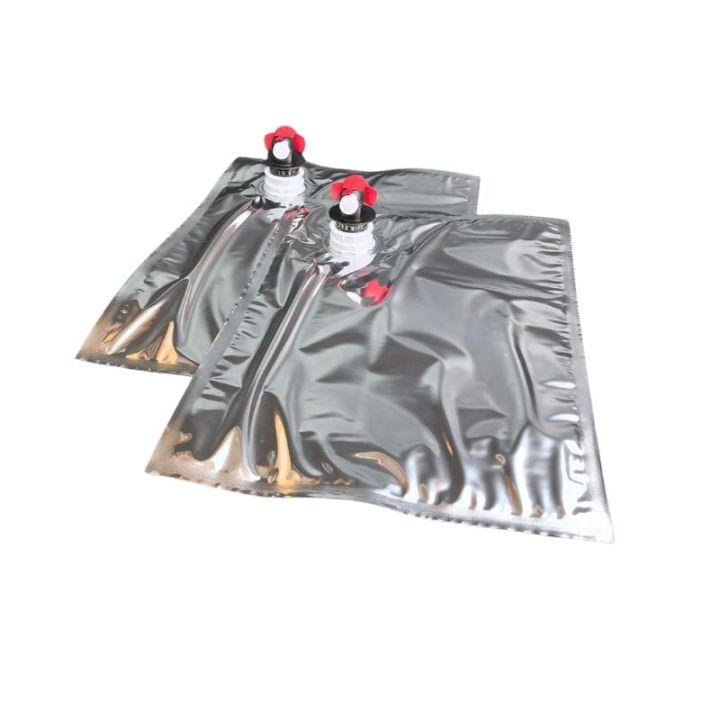
Bag-in-box technology is fantastic for keeping wine fresh for weeks after opening because the bag collapses around the liquid, preventing oxygen exposure. However, the inner bags are often slightly oxygen-permeable, so most boxed wines aren't meant for years of aging. The wine stays vibrant and fruity for about 6 to 12 months unopened. It's a brilliant choice for everyday wines you drink often, but don't stash a box in the cellar expecting it to improve over a decade.
Absolutely, there's been a big shift toward sustainability. Cans and lightweight glass bottles are gaining traction—they slash transportation emissions and are infinitely recyclable. Some producers use recycled cardboard tubes or plant-based wraps for single bottles. Even bag-in-box setups use far less packaging than multiple glass bottles. For collected waste, look for unlined paper wine bottles, which are becoming more durable and have a smaller carbon footprint without compromising the wine's short-term integrity.
It's a blend of tradition, perceived value, and function. Heavy glass feels substantial in your hand and suggests quality before you even pop the cork. Natural cork is anchored in centuries of ritual, and its unique oxygen-transmission properties are nearly impossible to replicate with synthetics for wines destined to evolve for 20+ years. Plus, let's be honest—the pop of a cork carries an emotional weight that screwcaps just haven't matched, even if they perform flawlessly.
Definitely. Screwcapped wines can be stored upright without worry, which saves space and keeps the closure pristine. Wines with natural cork must lie on their sides to keep the cork moist; otherwise, it dries out, shrinks, and lets air in, spoiling the wine. Synthetic corks and glass stoppers are more forgiving and can usually be stored upright for short periods, but horizontal is still the safer bet long-term. Always keep all wines in a cool, stable environment away from light.
Each format has its niche. Glass bottles with a proper cork or screwcap are still the gold standard for prestige wines and long aging. Cans are champs for freshness and portability—they chill fast, protect from light completely, and are perfect for single servings without waste. Tetra Paks are lightweight, shatterproof, and great for casual wines, but the thin polyethylene liner can sometimes pick up subtle flavors over many months. If you're drinking within a year, cans and cartons are excellent; for cellaring, stick with glass.
Conclusion
Wine packaging is far more than a mere vessel; it silently orchestrates your entire sensory journey before a single drop touches your lips. The choice between glass, ceramic, or even innovative bag-in-box designs directly influences how light, temperature, and oxygen interact with the wine, subtly sculpting its evolution. A thoughtfully designed bottle—perhaps with a deep punt or a specific tint—doesn't just protect the liquid; it becomes an accomplice in the art of aging, whispering promises of the experience to come. When materials transcend the ordinary, like heavyweight cotton paper labels or hand-dipped wax seals, they invite touch and build anticipation, transforming the bottle into a tactile object of desire that demands to be held and admired.
Beyond aesthetics, masterful packaging is a silent guardian that navigates the perilous journey from cellar to doorstep, absorbing shocks and insulating against temperature swings without ever drawing attention to its own resilience. Visual identity, meanwhile, tells your wine's origin story at a glance—a minimalist label with embossed winery coordinates or an illustration echoing local folklore can convey terroir more eloquently than a thousand tasting notes. As eco-consciousness reshapes the industry, choices like recycled glass, biodegradable packing peanuts, and lightweight bottles prove that sustainability can walk hand in hand with sophistication. Ultimately, the unboxing ritual—peeling back tissue, sliding out the bottle, discovering a handwritten note—cements an emotional bond, wrapping the wine in a narrative that lingers long after the last glass is poured.
Contact Us
Contact Person: Cindy Lee
Email: [email protected]
Tel/WhatsApp: 8613622669331
Website: https://www.dgkody.com