

Best LTE Radio Performance: How to Optimize Your Mobile Network Experience
2025-12-24
In today's hyper-connected world, a seamless LTE radio performance isn't just a luxury—it's a necessity. Whether you're streaming, gaming, or staying productive on the go, the quality of your mobile network experience can make or break your digital life. But what if you could unlock the full potential of your device and network? Welcome to our in-depth guide, inspired by the experts at lisheng, where we'll dive into the secrets of optimizing LTE radio performance. From cutting-edge techniques to practical tips, this blog will help you transform your mobile experience into something extraordinary. Ready to stop settling for sluggish connections and start enjoying faster, more reliable performance? Let's get started!
Understanding LTE Radio Metrics for Peak Performance
Grasping the nuances of LTE radio metrics isn't just about checking boxes; it's the key to unlocking truly exceptional network performance. If you're still thinking of these metrics as simple numbers on a dashboard, you're missing the story they tell about user experience. For instance, RSRP (Reference Signal Received Power) by itself might show a strong signal, but without considering RSRQ (Reference Signal Received Quality) or SINR (Signal-to-Interference-plus-Noise Ratio), you could be overlooking hidden interference that's silently throttling data speeds. It's this interplay between metrics that separates a functional network from a stellar one.
Peak performance in LTE hinges on moving beyond passive monitoring to proactive optimization based on these radio insights. Take a scenario where throughput is lagging: instead of just boosting power, a savvy engineer will drill into metrics like CQI (Channel Quality Indicator) and BLER (Block Error Rate). A high BLER might point to issues with channel coding or retransmissions, suggesting adjustments at the physical layer, while CQI trends can guide modulation and coding scheme tweaks. It's like tuning an instrument—each metric gives feedback, and fine-tuning them in concert ensures the network sings rather than stutters. Real-world tuning often involves balancing trade-offs, such as accepting slightly lower RSRP to reduce interference and boost overall SINR for better data rates.
What makes this approach stand out is its focus on context and user-centric outcomes. Unlike basic checklists that might flag 'green' for all metrics, peak performance demands interpreting them in real-world conditions—like how RSRP variations affect mobile users during handovers or in dense urban areas. Tools that correlate metrics with actual application performance (e.g., video streaming quality or latency in gaming) turn raw data into actionable intelligence. By weaving these metrics into a coherent strategy, networks don't just meet specs; they deliver seamless, high-speed experiences that keep users connected without a hitch. It's the difference between having a network and having a network that performs brilliantly under pressure.
Fine-Tuning Antenna Configurations and Signal Strength
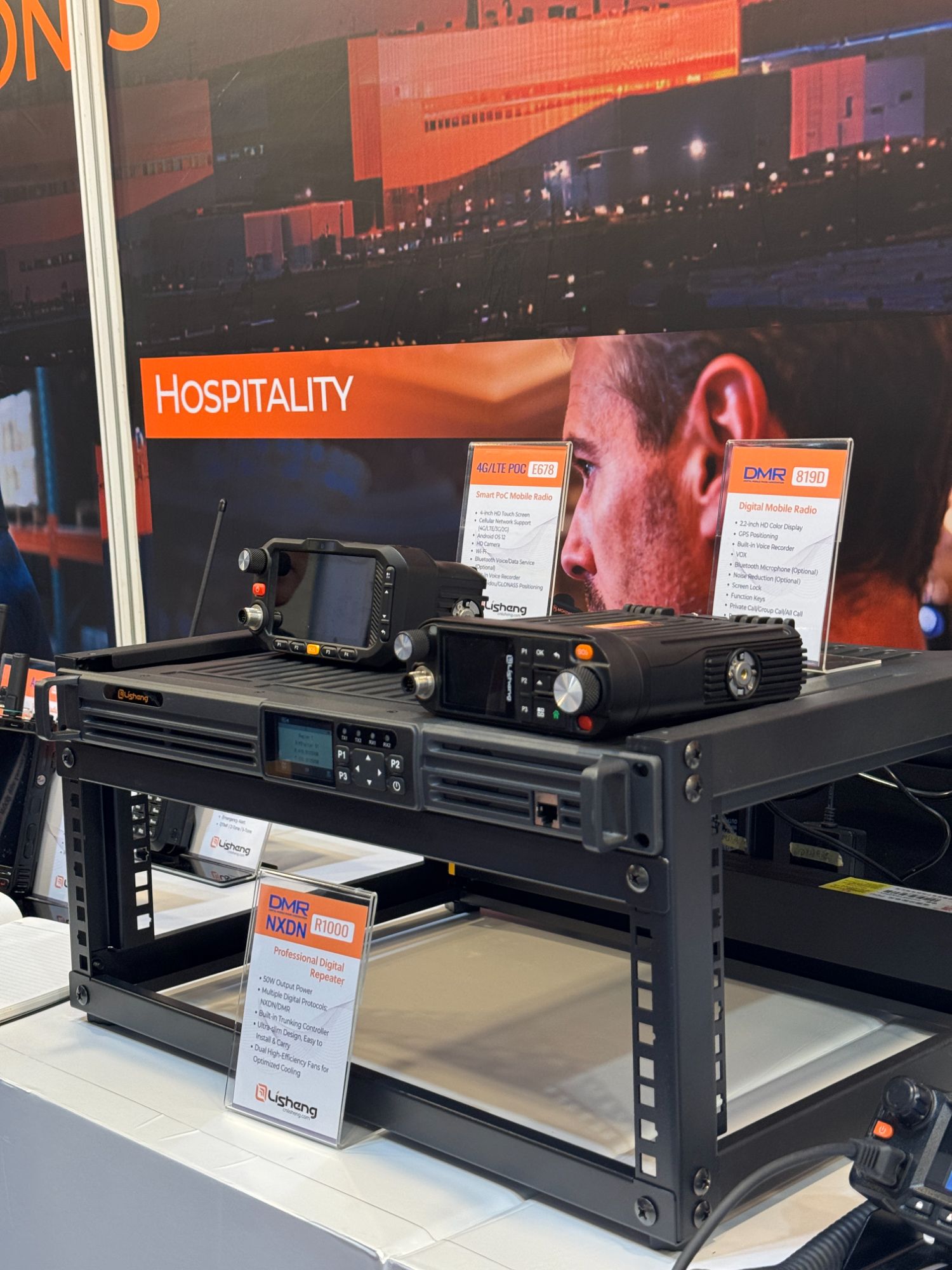
When it comes to optimizing wireless networks, fine-tuning antenna configurations is a crucial yet often overlooked aspect. Instead of relying on default settings, adjusting factors like antenna tilt, height, and azimuth can dramatically boost signal strength and coverage. For instance, in urban environments with dense buildings, a slight downward tilt might reduce interference and focus signals where they're needed most. This hands-on approach not only enhances performance but also minimizes dead zones, making it a practical step for both small businesses and large-scale deployments.
Signal strength isn't just about raw power; it's about precision and consistency. By experimenting with different antenna types, such as omnidirectional versus directional, you can tailor your setup to specific needs. In rural areas, a high-gain directional antenna might extend range significantly, while in crowded offices, omnidirectional ones ensure uniform coverage. Regular testing with tools like spectrum analyzers helps identify weak spots, allowing for iterative tweaks that lead to a more stable connection over time.
Beyond hardware adjustments, modern software solutions play a key role in fine-tuning. Advanced algorithms can dynamically adjust antenna parameters based on real-time data, adapting to changing conditions like weather or network traffic. This synergy between manual configuration and automated optimization offers a balanced strategy, ensuring that your system remains resilient and efficient. It's this blend of human insight and technological innovation that truly sets high-performing networks apart from the rest.
Implementing Effective Interference Mitigation Techniques
When dealing with wireless communications, interference can wreak havoc on signal quality and data throughput. To combat this, implementing effective interference mitigation techniques starts with a thorough analysis of the environment. Identifying sources of interference, such as other devices operating on similar frequencies or physical obstacles, is crucial. Based on this assessment, strategies like frequency hopping or beamforming can be tailored to specific scenarios, ensuring that signals remain robust and reliable even in crowded or challenging conditions.
Another key aspect is the integration of adaptive algorithms that continuously monitor and adjust parameters in real-time. For example, using machine learning models to predict interference patterns allows systems to proactively shift to cleaner channels or adjust power levels before performance degrades. This dynamic approach not only minimizes disruptions but also enhances overall network efficiency, making it a smart alternative to static methods that might falter under changing conditions.
To truly stand out, consider blending multiple mitigation techniques for a layered defense. Combining spatial diversity with advanced error correction codes, for instance, can provide redundancy that single methods lack. Practical implementation often involves testing in varied environments to fine-tune these combinations, ensuring they deliver consistent results without overcomplicating system design. Ultimately, the goal is to create a resilient setup that adapts seamlessly, keeping interference at bay while maintaining high performance standards.
Optimizing Network Traffic for Seamless Connectivity
Optimizing Network Traffic for Seamless Connectivity
In a world where digital interactions are increasingly complex and data-intensive, optimizing network traffic has become essential for ensuring seamless connectivity across various platforms and devices. By employing advanced traffic management techniques, organizations can prioritize critical applications, reduce latency, and enhance user experiences. This involves analyzing data flows, implementing Quality of Service (QoS) policies, and leveraging intelligent routing algorithms to dynamically adjust to network conditions.
One effective approach is the use of traffic shaping and bandwidth allocation, which helps prevent congestion during peak usage times. By monitoring network performance in real-time, it's possible to identify bottlenecks and reroute traffic through less congested paths. Additionally, adopting protocols like Multipath TCP can distribute traffic across multiple network interfaces, improving reliability and speed. These strategies not only boost efficiency but also support the growing demand for high-quality streaming, gaming, and remote work applications.
Beyond technical solutions, integrating machine learning models can predict traffic patterns and automate optimization processes, making networks more adaptive and resilient. Regular updates and collaboration with service providers ensure that infrastructure remains up-to-date, contributing to a smoother, uninterrupted digital experience for end-users.
Leveraging Advanced Technologies for Enhanced LTE Speeds
We're seeing LTE networks push beyond their traditional limits by tapping into innovative tech solutions that boost data rates and reduce latency. Take carrier aggregation, for instance—it's not just about cramming more spectrum together, but smartly combining bands to create wider channels that deliver smoother streaming and faster downloads. Operators are also fine-tuning things with advanced antenna systems and network slicing, making sure every bit of bandwidth counts where it matters most.
Another game-changer is the integration of sophisticated modulation schemes like 256-QAM, which packs more data into each signal without requiring extra spectrum. When paired with enhanced interference management techniques, this allows LTE to handle dense urban environments and crowded events with ease, keeping speeds high even when networks are under strain. It's these behind-the-scenes tweaks that keep your mobile experience snappy and reliable.
Looking ahead, the blend of AI-driven network optimization and edge computing is set to redefine what LTE can do. By predicting traffic patterns and processing data closer to users, latency drops significantly, opening doors for real-time applications like gaming and IoT. This isn't just an upgrade—it's a strategic move to future-proof networks while making today's connections feel effortlessly fast.
Sustaining Network Health with Proactive Monitoring Tools
To truly sustain network health, it's not enough to just respond when issues arise; you need a forward-looking approach that catches problems before they escalate. Proactive monitoring tools offer exactly that by continuously scanning your network infrastructure, analyzing traffic patterns, and identifying anomalies in real time. For instance, they can alert you to unusual spikes in bandwidth usage or slow response times from servers, allowing you to address these hiccups long before they impact end-users. This kind of vigilance helps maintain a stable, high-performing environment, reducing downtime and keeping operations smooth without the frantic firefighting of reactive methods.
What sets effective proactive monitoring apart is its ability to learn and adapt over time, making it smarter with each data point it collects. Rather than relying on static thresholds, modern tools use machine learning algorithms to establish baselines for normal behavior, so they can flag deviations that might indicate emerging threats or inefficiencies. This dynamic approach means you're not just watching for known issues but also uncovering hidden patterns that could lead to future disruptions, whether it's a gradual degradation in network performance or subtle signs of a security breach. By leveraging these insights, organizations can optimize their resources and stay ahead in an ever-evolving digital landscape.
In a crowded market of monitoring solutions, the key differentiator lies in customizability and integration capabilities. The best proactive tools don't just throw data at you; they provide actionable insights tailored to your specific network setup and business goals. They integrate seamlessly with other systems like cloud platforms, security suites, and IT management software, creating a cohesive ecosystem that enhances overall visibility. This holistic view empowers teams to make informed, strategic decisions—like reallocating bandwidth during peak hours or upgrading hardware before it fails—ultimately fostering a resilient network that supports growth and innovation without constant manual intervention.
FAQ
LTE radio performance refers to the efficiency and quality of the radio frequency (RF) signals in a Long-Term Evolution (LTE) network, which directly impacts data speeds, call clarity, and overall connectivity. It matters because optimizing these signals can reduce dropped calls, improve download speeds, and enhance user satisfaction in real-world scenarios like streaming or browsing.
Signal interference can degrade LTE radio performance by causing noise that disrupts data transmission, leading to slower speeds and connection issues. Common sources include physical obstacles like buildings, electronic devices, weather conditions, and competing signals from other networks or Wi-Fi routers.
Users can optimize LTE radio performance by ensuring their device software is updated, avoiding crowded areas with weak signals, using network settings to prioritize LTE, and employing signal boosters or external antennas in low-coverage zones for better reception.
Operators measure LTE radio performance using metrics like signal-to-noise ratio (SNR), throughput, and latency. They improve it by adjusting antenna tilt, optimizing frequency bands, deploying small cells, and using advanced techniques like carrier aggregation to boost capacity and coverage.
Device hardware plays a crucial role as it determines the ability to receive and process RF signals. High-quality antennas, modern modems, and efficient processors in devices can significantly enhance LTE performance by supporting multiple frequency bands and mitigating signal loss.
Yes, environmental factors like terrain, weather, and urban structures can impact LTE radio performance by obstructing signals. Mitigation strategies include using repeaters in rural areas, designing networks with dense cell sites in cities, and leveraging technologies like MIMO to adapt to varying conditions.
Conclusion
Achieving optimal LTE radio performance requires a comprehensive approach that begins with a thorough understanding of key radio metrics like RSRP, RSRQ, and SINR, which serve as the foundation for peak network operation. By fine-tuning antenna configurations to enhance signal strength and coverage, network operators can significantly reduce signal degradation and improve user experience in both urban and rural settings. Simultaneously, implementing effective interference mitigation techniques, such as advanced filtering and frequency coordination, helps maintain clear signal paths, minimizing disruptions caused by external sources or neighboring cells.
To ensure seamless connectivity, optimizing network traffic through intelligent load balancing and prioritization protocols is essential, preventing congestion during peak usage. Leveraging advanced technologies like carrier aggregation, MIMO, and network slicing can dramatically boost LTE speeds and capacity, catering to growing data demands. Finally, sustaining network health relies on proactive monitoring tools that provide real-time analytics and predictive maintenance, allowing for swift issue resolution and continuous performance improvements, ultimately delivering a superior mobile experience.
Contact Us
Contact Person: andrea
Email: [email protected]
Tel/WhatsApp: (+86)13960400802
Website: https://www.lishengradio.com/