

Best Laser Inflammation Relief for Effective Pain Management and Healing
2026-07-31
In the quest for relief from inflammation and pain, the right tools make all the difference. Whether you're recovering from an injury or managing a chronic condition, effective healing starts with precise care. That's where GUANG TAI's advanced laser therapy devices step in — blending science-backed technology with everyday usability to help you get back to feeling your best, faster. Discover how these innovations are reshaping pain management and why they might be the solution you’ve been looking for.
How Laser Therapy Targets Inflammation at the Cellular Level
Laser light penetrates deep into tissues where it is absorbed by chromophores within mitochondria, primarily cytochrome c oxidase. This interaction displaces nitric oxide, a molecule that can block cellular respiration under stress, allowing oxygen to bind and restart the electron transport chain. The immediate result is a surge in ATP production, the fuel needed for cellular repair and anti-inflammatory activity. As the mitochondrial membrane potential stabilizes, the cell shifts away from a pro-inflammatory state, reducing the release of damage-associated molecular patterns that would otherwise attract immune cells and amplify swelling.
Once cellular energy is restored, laser therapy tips the balance of intracellular signaling cascades. It dampens the activity of NF-κB, a transcription factor that typically triggers the production of TNF-α, IL-1β, and other pro-inflammatory cytokines. At the same time, it enhances the expression of anti-inflammatory cytokines like IL-10 and transforms growth factor-beta, which actively promote tissue healing. This modulation happens without completely shutting down the necessary immune response, allowing the body to clear out damaged cells while preventing the runaway cycle that characterizes chronic inflammation.
On a structural level, the light also stabilizes mast cell membranes, reducing the explosive release of histamine and proteases that cause vasodilation and edema. It encourages lymphatic flow and new capillary formation, helping to flush out cellular waste and deliver oxygen to oxygen-starved tissues. By addressing multiple nodes of the inflammatory network simultaneously—metabolic, signaling, and vascular—laser therapy guides the cellular environment back toward homeostasis, making it a versatile intervention for a broad range of inflammatory conditions.
Why Athletes Are Switching to Laser Pain Relief
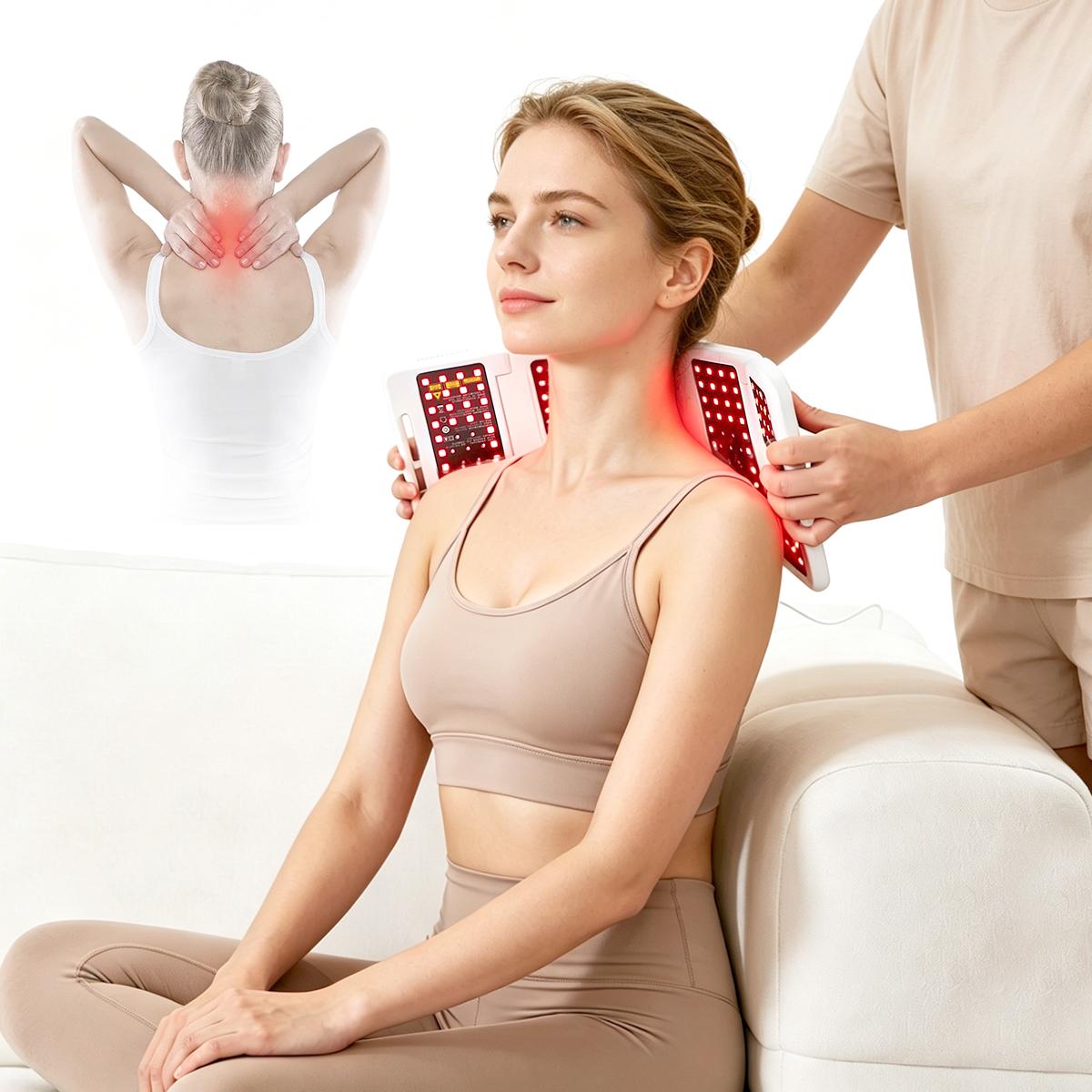
For years, athletes have relied on ice packs, anti-inflammatory medications, and extended rest to recover from pain and injuries. But these methods often come with drawbacks—icing can be uncomfortable and slow, while painkillers can mask symptoms without addressing the root cause. Laser therapy offers a fundamentally different approach. By using specific wavelengths of light to penetrate deep into tissues, it stimulates cellular repair and reduces inflammation without a single pill or invasive procedure. It’s not just a pain reliever; it’s a regenerative tool that helps athletes get back to training faster than ever before.
What really sets laser treatment apart is its ability to target pain at the source while improving overall tissue health. Unlike traditional modalities that only numb the area, cold lasers enhance blood flow and accelerate the body’s natural healing processes. This means athletes aren’t just masking discomfort—they’re actively rebuilding damaged muscles, tendons, and ligaments. The treatments are quick, painless, and free from the side effects of pharmaceuticals, fitting seamlessly into a demanding training schedule. Many report feeling immediate relief after a session, with cumulative benefits that keep them performing at their peak.
Beyond recovery, athletes are embracing laser therapy as a preventive measure. Regular sessions can reduce the risk of future injuries by keeping tissues resilient and inflammation in check. It’s becoming a staple in locker rooms and training centers not because of hype, but because it consistently delivers results. Whether it’s a strained hamstring, tennis elbow, or chronic knee pain, laser therapy provides a non-invasive alternative that aligns with the modern athlete’s desire for efficient, science-backed care. It’s not about chasing trends; it’s about reclaiming control over one’s recovery and performance.
The Science Behind Light-Based Healing
Cells communicate through tiny packets of energy that fall within specific wavelengths, and mitochondria seem particularly responsive to certain bands of red and near-infrared light. When these photons reach the inner machinery of a cell, they stimulate a protein called cytochrome c oxidase, which acts as a gatekeeper in the electron transport chain. This moment of activation increases the production of adenosine triphosphate—the molecular fuel that powers everything from muscle contraction to neuron firing. It's not magic, but a tangible shift in the bioenergetic status of the cell, nudging it from a sluggish, stressed state toward repair and regeneration.
Beyond raw energy output, light exposure triggers a cascade of secondary messengers inside the cytoplasm. Reactive oxygen species rise just enough to signal, not to damage, prompting the cell to upregulate protective enzymes and antioxidant defenses. At the same time, transcription factors like NF-κB alter their behavior, dialing down chronic inflammatory signals that often keep tissues locked in a cycle of pain and slow healing. This dual action—energizing and modulating inflammation—helps explain why carefully dosed light sessions can reduce joint stiffness, calm irritated skin, or speed the closure of a wound without pharmaceutical intervention.
What makes the approach so appealing is its selectivity; stressed or damaged cells soak up the light with more enthusiasm than their healthy neighbors, which don't need the metabolic boost. This property, sometimes referred to as the “activated absorption” phenomenon, creates a therapeutic window where the treatment focuses its benefits where they're needed most. In practical terms, it means a short session with a handheld device or a light panel can shift local tissue dynamics toward balance, making the body's own healing rhythm more efficient rather than overriding it.
Real Results: Stories of Pain-Free Living
A few months ago, Sarah couldn't walk her dog without wincing. Years of lower back pain had sapped the joy from her morning routine. After trying a gentle, movement-based approach, she not only resumed her walks but recently completed a 5k charity run—pain-free. Her story isn't unusual; it's the kind of outcome that happens when you target the root cause, not just the symptoms.
Then there's Mike, a retired teacher who thought he'd never play guitar again. Arthritis in his hands made even holding a pick agonizing. Small, consistent adjustments over a few months restored his dexterity, and now he's back to strumming folk tunes on his porch. Stories like these remind us that reclaiming daily pleasures often starts with a simple, personalized plan.
These aren't miracle cures—they're practical wins grounded in consistent effort and a smarter way of moving. When you hear someone say they finally slept through the night without hip pain, or a mother who can lift her toddler without fear, it underscores a truth: the path to pain-free living is built on small victories that add up to a life transformed.
Laser vs. Medication: A Side-by-Side Look
When tackling skin concerns like acne, rosacea, or unwanted pigmentation, both laser treatments and prescription medications offer viable paths—but they work in fundamentally different ways. Medications, whether topical creams or oral pills, typically aim to alter the body's internal processes over time, gradually reducing inflammation, bacteria, or oil production. Laser therapies, on the other hand, deliver precise bursts of light energy to target specific structures in the skin, from blood vessels to melanin clusters, often yielding faster visible results. The choice isn't always clear-cut, and many dermatologists will layer these approaches for stubborn cases, but understanding their core differences helps set realistic expectations.
Side effects and downtime also diverge sharply between the two. Oral medications like isotretinoin can cause systemic effects—dry lips, mood changes, or liver strain—requiring regular blood monitoring, while topicals often bring localized peeling or redness that fades as the skin adjusts. Laser procedures carry their own risks: temporary swelling, crusting, or, rarely, burns or scarring if handled improperly. The recovery dance after a laser session might range from a few hours of pinkness to a week of flaking, whereas most medications demand patience over months. It's a trade-off between immediate post-treatment visibility and a slower, background-level adjustment.
Cost and commitment also figure heavily in the real-world decision. A course of laser sessions can run into thousands of dollars, often paid upfront, while prescription medications might be covered by insurance and spread out over time. Then there's the maintenance question: lasers often require touch-ups as skin naturally ages or conditions recur, and stopping a medication too soon can trigger a relapse. Many practitioners suggest thinking less in terms of "better or worse" and more about which tool aligns with your lifestyle, skin sensitivity, and long-term goals. Ultimately, a candid conversation with a board‑certified specialist can cut through the noise and match the method to your unique biology.
What to Look for in a Laser Therapy Device
When choosing a laser therapy device, the first thing to pay attention to is the wavelength it emits. The therapeutic window generally falls between 600 nm and 1000 nm, with red and near-infrared light being the most studied. A device offering multiple wavelengths can be more versatile, allowing you to target different tissue depths and conditions. Make sure the specifications clearly state the wavelength range rather than just marketing jargon.
Another critical factor is power output and energy density. A device that’s too weak might not deliver enough photons to trigger cellular changes, while one that’s excessively powerful increases the risk of thermal damage. Look for a balance—ideally, a unit that lets you adjust the settings to match the treatment area and the specific issue you’re addressing. Pay attention to the beam area as well; a larger treatment head can speed up sessions but may require higher power to maintain adequate irradiance.
Finally, consider the build quality, safety features, and compliance with medical device regulations. Check for FDA clearance or CE marking, which indicate that the product has met certain safety and performance standards. Pulsing options, timer controls, and a clear display can make the device easier to use consistently. Read reviews from actual users—both clinicians and home users—to gauge durability and real-world effectiveness before making a decision.
FAQ
Laser therapy uses specific wavelengths of light to interact with tissue, helping reduce inflammation and relieve pain. The light energy penetrates the skin and stimulates cellular activity, boosting circulation and triggering the body's natural healing processes. This approach doesn't mask discomfort—it addresses the underlying inflammation that often causes pain.
Many people find it more effective than relying solely on medication. While drugs can provide temporary relief, laser therapy works by repairing damaged cells and reducing swelling at the source. Studies have shown that it can provide long-lasting comfort without the side effects commonly associated with pharmaceuticals.
Absolutely. By improving blood flow and stimulating collagen production, laser treatments can accelerate tissue repair. Patients often notice faster recovery times from sprains, strains, and other soft-tissue injuries. It's a non-invasive way to give your body's healing mechanisms a genuine boost.
Laser therapy is widely considered safe when performed correctly. Unlike surgical interventions, it carries little risk. Most patients experience no side effects at all, though some might feel a mild, brief warmth during the session. There's no downtime, so you can resume daily activities right away.
This approach is versatile and can manage pain from arthritis, tendonitis, muscle strains, joint disorders, and even post-surgical inflammation. It's also used for chronic conditions like fibromyalgia and neuropathy. Practitioners often customize protocols based on the specific area and severity of the problem.
It varies depending on the condition, its severity, and individual response. Acute issues might improve within 3–5 sessions, while chronic problems could require a more extended plan, often 10–15 treatments. Many patients begin to feel relief after the first couple of sessions, with cumulative benefits building over time.
Conclusion
Laser therapy has emerged as a groundbreaking approach for managing pain and accelerating healing, and its effectiveness lies in how it directly targets inflammation at the cellular level. Through a process known as photobiomodulation, specific wavelengths of light penetrate the skin and are absorbed by mitochondria, the powerhouses of cells. This boosts adenosine triphosphate (ATP) production, reduces oxidative stress, and modulates inflammatory markers, effectively calming the cellular chaos that causes pain and swelling. It's no wonder that athletes, who demand rapid recovery without the downtime associated with traditional methods, are increasingly ditching ice packs and pills for this non-invasive solution. The scientific foundation of light-based healing is robust, with studies demonstrating improved blood flow, faster tissue repair, and enhanced immune response. Real-world accounts abound of individuals who have gone from chronic, life-limiting pain to enjoying daily activities again—sometimes after just a handful of sessions—underscoring how this technology is rewriting the narrative of pain management.
When compared to medication, laser therapy offers a compelling risk-benefit profile. Non-steroidal anti-inflammatory drugs (NSAIDs) and opioids can come with gastrointestinal issues, dependency risks, or other systemic side effects, whereas targeted laser treatment works locally without harming healthy tissue. It's a gentle yet powerful alternative that addresses the root cause rather than merely masking symptoms. For those considering a device for home use, key factors include the laser's power output, wavelength range (typically red and near-infrared), treatment area size, and safety certifications. A well-designed device can deliver professional-grade results in the comfort of home, making consistent treatment feasible. Ultimately, the best laser inflammation relief empowers the body to heal itself, providing not just temporary respite but a genuine path toward long-lasting wellness and freedom from pain.
Contact Us
Contact Person: Leon Yi
Email: [email protected]
Tel/WhatsApp: +86 17363316873
Website: https://zzgt.en.alibaba.com/