

Batch Off Cooling Line Company Tips for Choosing the Best Rubber Processing Partner
2026-11-02
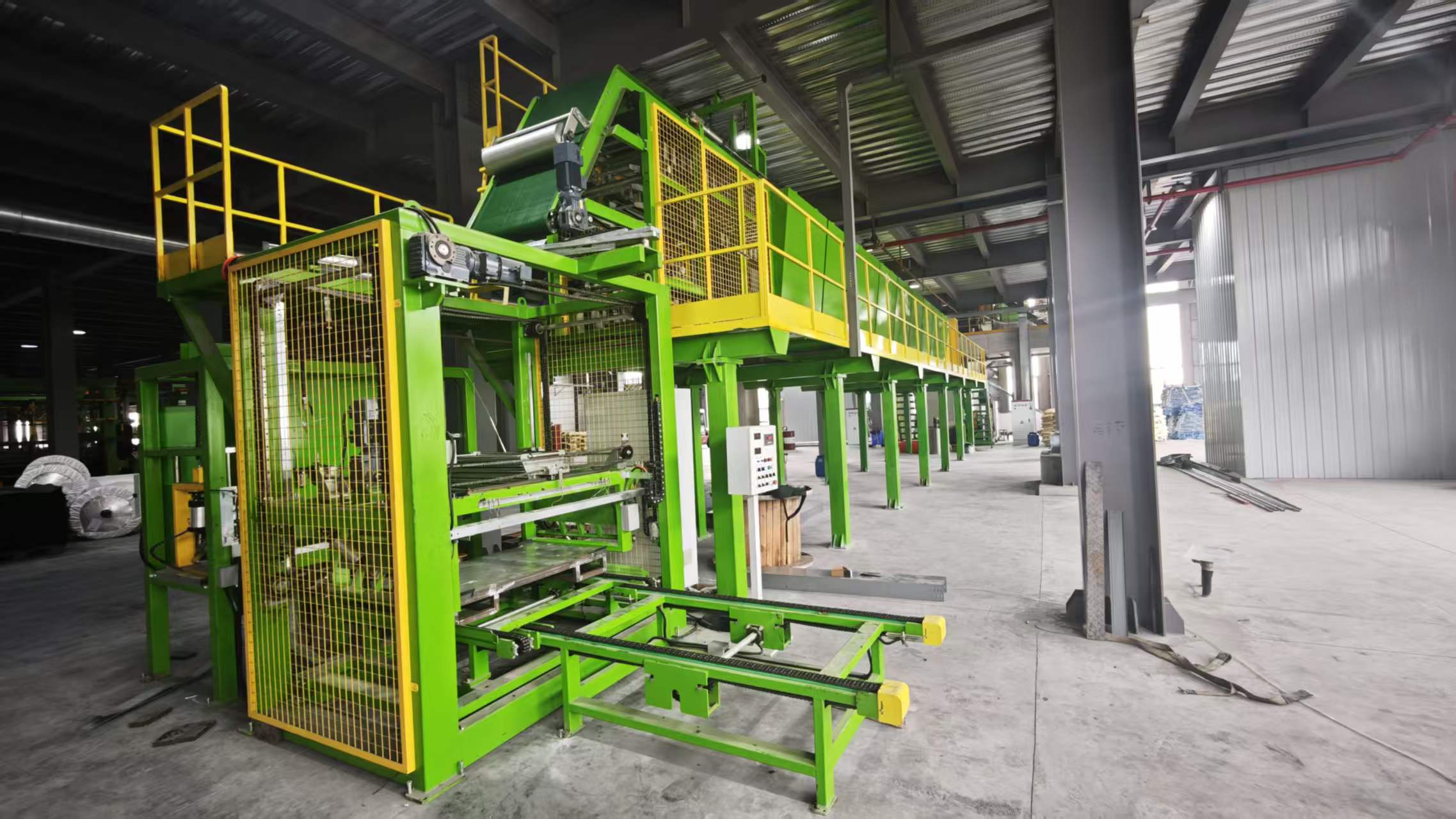
Rubber doesn't wait. When a batch off cooling line falls behind, mixed stock piles up, scorch risks climb, and your shift turns into damage control. That pressure reveals a truth most buyers learn too late: the machine matters less than the partner who specs it, installs it, and answers the phone at 2 a.m. AUGU AUTOMATION has spent years inside plants like yours, and we've distilled what actually separates a dependable rubber processing partner from a catalog seller. Here are the checks we'd run before signing anything.
Watch How They Handle Rubber That Runs Hot
In every rubber compounding plant, there is a moment when the mill rolls a batch too fast and the surface begins to smoke. Most operators panic, throw in more release agent, and call for maintenance. The best ones just watch. They know that hot rubber behaves like a living thing—it stretches, sticks, and tears in ways that reveal its true character. One veteran mixer once said he could tell the sulfur dispersion just by the way the sheet curled off the front roll. No lab test needed.
Those who handle rubber that runs hot learn to read the small signs: the way the edges stay ragged instead of smoothing out, the peculiar smell of zinc oxide starting to volatilize, the slight change in color from deep amber to burnt honey. They don't rush the cooling process. Instead, they adjust the friction ratio, slow the nip just enough, and let the batch tell them when it's ready. It's not about following a recipe to the letter—it's about listening to the material when it's under stress.
What separates a true rubber technologist from a button-pusher is this quiet observation. When the temperature spikes and the viscosity drops, a hot batch will expose every mistake in the mixing sequence. The skilled handler doesn't blame the machine or the compound. They simply note the tear strength, the tackiness, the way the stock wraps and releases. Then they make one small change—a minute on the clock, a different order of adding carbon black—and the next batch comes out calm, smooth, and exactly where it needs to be.
Ask for Real Downtime Numbers, Not Sales Estimates
Sales teams love to quote mean time between failures, but those figures often come from ideal lab conditions or cherry-picked field data. If you want to know how a machine actually performs on a dirty factory floor, ask the vendor for their unedited downtime logs from the last five installations. Real numbers include every unplanned stop, no matter how brief, and they typically look far less impressive than the brochure.
A better approach is to request the mean time to repair, not just the failure rate. A pump that fails once a year but takes three weeks to fix is far worse than one that trips twice a month but restarts in ten minutes. Have the vendor break down downtime by cause: electrical, mechanical, software, operator error. If they hesitate to share that breakdown, that hesitation is itself a data point.
Finally, ask for the range across sites, not the average. An average downtime of four hours per month sounds tolerable until you learn one plant lost nine days to a single control board issue while another never logged a minute. The spread tells you what your worst realistic week could look like, and that is what you are really buying.
Look for a Partner Who Tests Your Actual Compound
When you send a sample out for analysis, the report should reflect the exact material you shipped, not a neat reference standard pulled from a catalog. A partner who tests your actual compound will capture the impurities, residual solvents, or polymorph forms that can quietly alter how a batch behaves later. Ask whether the data will be tied to your lot number and your preparation method. If the answer hedges on that point, the results you get may look precise but have little to do with the substance in your vial.
Testing the real compound also means the lab is comfortable with small quantities, unstable intermediates, or less-than-perfect early batches. They will not pressure you to send a “clean” sample just to make the instrument run smoothly. Instead, they document deviations and tell you when a signal comes from your matrix rather than from a calibration standard. That habit saves you from late-stage surprises when the material finally moves into animal studies or pilot production.
The right partner treats your sample as the center of the investigation, not as a batch to be processed and forgotten. They ask about storage conditions, handling history, and the specific question behind the request. That conversation is often the clearest sign that they will test what you actually have, not what is convenient for their workflow.
Check Their Experience with Tricky Cooling Rates
Not every cooling job is straightforward. Some alloys, castings, or welded sections demand cooling curves that feel less like science and more like intuition. A shop that only knows standard air or water quench cycles will struggle when a part requires a stepped profile, a delayed quench, or a controlled slow cool through a critical temperature range. Ask them to walk you through a time they had to adjust parameters on the fly because the initial cooling rate caused distortion or cracking. Their answer will tell you whether they rely on experience or just on a preset recipe.
Look for evidence that they understand why cooling rates matter beyond the obvious hardness target. For example, a rapid quench might hit the desired Rockwell number but leave residual stresses that show up later as warpage after machining. A shop with real depth will mention things like martensite finish temperatures, retained austenite, or the need to interrupt a quench for marquenching. If they can explain how they balanced cooling speed against section thickness and alloy composition, you're not just hiring a furnace operator—you're hiring someone who solves thermal puzzles.
Finally, ask about failures. Not the dramatic ones, but the quiet ones: a batch that came out slightly out of tolerance, a part that passed hardness but failed a straightness check, or a customer complaint about premature wear. A shop that has handled tricky cooling rates will have war stories and, more importantly, the process changes that followed. They should be able to point to a specific job where they switched from water to polymer, adjusted agitation, or changed the load configuration. If they claim they've never had a cooling-related issue, they either haven't done enough work or they're not paying attention.
Prioritize Maintenance Response Over Marketing Gloss
A maintenance team's real value shows up when something breaks. Customers don't need a beautifully worded apology; they need the problem gone. Fast, functional response beats any amount of marketing polish.
Too many support channels hide behind scripted empathy while the actual repair stalls for days. That gap erodes trust faster than any outage itself. Putting repair time ahead of reply style means treating every minute of downtime as a cost to the user, not just to the company.
When you strip away the gloss and focus on getting systems back online, word spreads for the right reason. Users remember who fixed it quickly, not who wrote the smoothest follow-up email. Maintenance response is the product; everything else is decoration.
Seek a Team That Treats Batch Consistency Personally
Most manufacturers will nod along when you mention batch consistency. They'll show you a spec sheet and promise the same product every time. But watch what happens when a minor deviation appears in the middle of a run. Do they shrug and ship it anyway, or do they stop the line and start asking hard questions? The teams worth keeping are the ones who take it personally when batch number forty-two doesn't taste, feel, or perform exactly like batch number seven. They don't just log the variance; they chase it back to the source.
That kind of ownership can't be faked with software or fancy lab equipment. It shows up in the way a production manager walks the floor with a sample in hand, comparing today's output against a reference jar from six months ago. It shows up in the operator who notices the mixer sounds slightly different and calls it out before the batch is even finished. When consistency is personal, it becomes a habit, not a checklist item. Every person on the line knows what the product should be and feels a small sting of failure when it isn't.
So when you're evaluating a new partner, skip the polished pitch. Ask them to walk you through their last nonconformance event. If they get defensive or vague, move on. If they light up and tell you exactly what went wrong, how they fixed it, and what they changed so it never happens again, you've found a team that treats your batch like their own reputation depends on it. Because to them, it does.
FAQ
Ask for detailed case studies where they handled similar rubber compounds and throughput targets. A reliable partner should be able to walk you through specific line configurations, cooling times, and how they solved sticking or uneven stacking issues on past installations.
It matters more than many buyers expect. The best partners will evaluate your compound viscosity, batch size, and factory floor layout before recommending any line. They won't push a one-size-fits-all machine; they'll adjust conveyor width, dip tank capacity, or coating system to match your actual production flow.
Look beyond the initial quote. Check whether they offer preventive maintenance contracts, have spare parts stocked locally, and keep service engineers on call for your region. Also ask existing customers about average downtime per year and how quickly the supplier responds when a drive or separator fails.
Ask for a clearly defined response time, not just a promise of "24/7 support." Find out if remote diagnostics are included, whether they provide operator training after installation, and how they handle firmware or control system updates. A good partner will put these details in writing.
Different rubber compounds cool and release differently. A partner who insists on running samples of your actual compound through a test line can identify issues like excessive sticking, uneven talc application, or poor air cooling before you commit. This step prevents costly retrofits later.
Don't just compare purchase price. Factor in energy consumption of the cooling fans and conveyors, expected lifespan of the dip tank coating, labor needed for stacking and palletizing, and the cost of replacement belts or chains. Sometimes a slightly more expensive line pays for itself in reduced waste and lower maintenance within two years.
Watch for vague answers about previous installations, reluctance to provide references in your industry, or quotes that lack a detailed scope of supply. If they avoid discussing cooling capacity calculations or cannot explain how their separator system handles high-tack compounds, keep looking.
Conclusion
Picking a rubber processing partner isn't just about equipment specs. A batch off cooling line exposes a company's true priorities quickly. Watch what happens when rubber comes off the mill hot; if the cooling system struggles or operators look surprised, that's a red flag. Ask for real downtime numbers from existing customers—not the sales team's smoothed-over projections. A partner who won't share actual maintenance logs is hiding something. Also, insist they test your actual compound on their line before signing anything. Lab data on a generic stock means nothing when your formulation runs tacky or stiff. And cooling rates: some compounds need a slow, controlled drop; others demand quick quenching. A one-size-fits-all approach will warp dimensions or leave residual heat.
Beyond the hardware, pay attention to how they handle problems. A flashy brochure won't restart a stalled line on a Friday night; a maintenance crew that picks up the phone will. Ask bluntly about their response times and spare parts inventory, not their marketing promises. Finally, look for a team that treats batch consistency as a personal matter. If the operator remembers that your last run of EPDM tended to stick, or if the shift notes show small tweaks for each compound, you've found people who care. The best partners don't just cool rubber—they protect your reputation, batch after batch. Choose accordingly.
Contact Us
Contact Person: Lareina
Email: [email protected]
Tel/WhatsApp: +86 17561696737
Website: https://www.auguauto.com/