

Acrylic Polymer Soil Stabilizer: Enhancing Soil Strength and Durability
2026-07-26
Soil stabilization isn't just about mixing binders—it's about creating lasting strength from the ground up. Yet, traditional methods often fall short in durability and environmental compatibility. Enter the MST acrylic polymer soil stabilizer, a breakthrough approach that chemically bonds soil particles into a resilient, water-resistant matrix. This technology is reshaping road construction and erosion control, offering engineers a smarter, greener way to build on unstable ground. Curious how polymer science can turn ordinary soil into a high-performance foundation? Let's dig deeper.
Unpacking the Magic: How Acrylic Polymers Fortify Soil
At its core, an acrylic polymer is a chain of repeating molecules derived from acrylic acid. When introduced to soil, these long, flexible chains weave through the particles, binding them together much like a network of roots. This binding action creates stable aggregates, transforming loose, easily eroded dirt into a cohesive structure. The polymer film that forms around soil particles acts as a protective shield, reducing surface crusting and allowing water to infiltrate more effectively instead of running off. This simple but elegant mechanism is what sets the stage for stronger, healthier soil.
The real magic happens when acrylic polymers interact with water. They are highly absorbent, swelling into a gel-like state that can hold many times their weight in moisture. This stored water is then slowly released back to plant roots during dry periods, creating a buffer against drought stress. Moreover, this swelling and shrinking cycle gently aerates the soil, preventing compaction and creating pore spaces essential for root respiration and microbial life. Over time, the improved water retention and aeration boost nutrient availability, as organic matter breaks down more efficiently in a well-oxygenated environment.
Beyond water management, acrylic polymers also become a reservoir for nutrients. Their charged molecular surfaces attract and hold positively charged ions like potassium, ammonium, and calcium, preventing them from leaching away with irrigation or rain. This slow-release nutrient effect means plants enjoy a steady food supply, leading to more robust root systems and higher stress tolerance. In construction and landscaping, these polymers are used to stabilize slopes and reduce dust, while in agriculture, they turn marginal soils into productive ground. The cumulative result is a quiet but profound fortification that works from the particle level up, transforming soil into a more resilient and life-sustaining medium.
Why Engineers Are Turning to Acrylic Polymers for Lasting Foundations
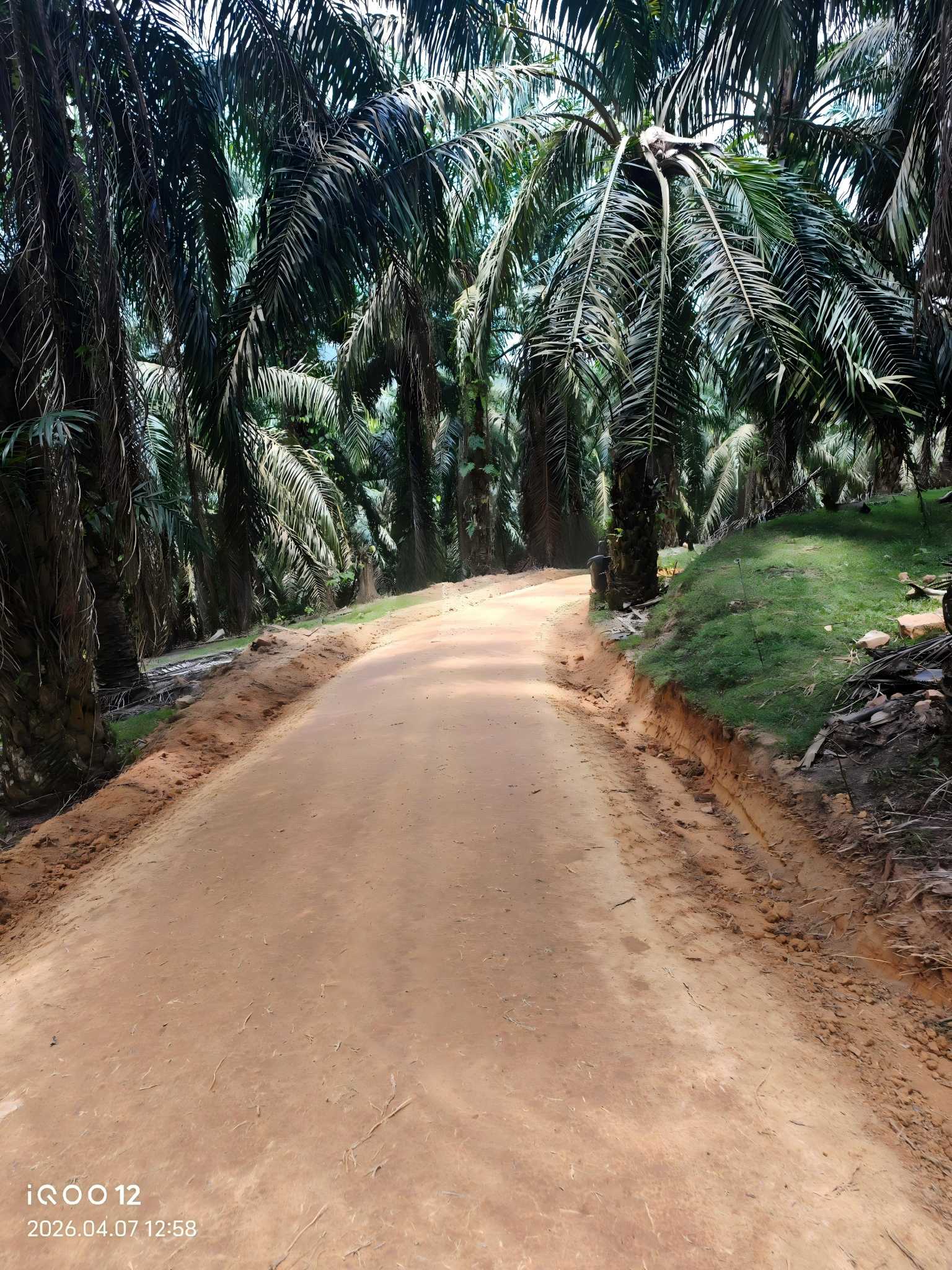
In the pursuit of durable ground stabilization, conventional cementitious grouts are being sidelined by a material that seeps deeper and cures with precision. Acrylic polymers, originally engineered for demanding industrial seals, now offer engineers a way to reinforce soil without the brittleness that plagues older methods. Their low viscosity allows them to permeate fine sands and silts that cement slurries can barely touch, creating a continuous, impermeable barrier that locks soil particles in place.
What truly sets these polymers apart is their controllable gel time, which site crews can adjust on the fly from a few seconds to several hours. This flexibility turns unpredictable subterranean conditions into manageable variables, enabling targeted injections that halt groundwater flow or consolidate loose strata without massive over-excavation. The resulting mass remains resilient under cyclic loading and resists chemical degradation, a combination that keeps infrastructure steady decades after traditional repairs would have failed.
Beyond performance, acrylic injection systems cut down on downtime and environmental footprint. They cure with minimal shrinkage, eliminating the voids that invite later settlement, and the process uses compact, quiet equipment that doesn’t choke urban job sites with dust or noise. For projects where long-term reliability outweighs upfront cost—think tunnel rehabilitation, dam curtain walls, or under-pinning historic structures—this quiet shift toward acrylics is redefining what a lasting foundation actually looks like.
The Hidden Power of Acrylic Binders in Soil Stabilization
Acrylic binders might not be the first thing that comes to mind when tackling soil stabilization, but their ability to transform loose, erodible ground into a cohesive and durable surface is quietly reshaping construction and landscaping projects. Unlike traditional methods that rely heavily on mechanical compaction or cementitious additives, these polymer emulsions work by coating individual soil particles and forming a flexible, water-resistant film. This molecular-level reinforcement isn't just about gluing things together—it actually restructures the soil matrix, creating a network that withstands stress while maintaining permeability. The real magic happens as the water evaporates, leaving behind a clear, tough lattice that holds everything in place without altering the natural appearance of the ground.
What sets acrylic binders apart is their adaptability across different soil types and environmental conditions. Sandy soils that typically wash away under rainfall become stable without losing porosity, and silty soils gain cohesion that resists wind erosion. The binder's low viscosity allows it to penetrate deep into the substrate, anchoring it in place. Even in areas exposed to heavy traffic or fluctuating weather, the bound soil remains intact, reducing maintenance costs dramatically. This hidden power lies in the polymer's affinity for both organic and inorganic particles, forming bonds that are resilient yet flexible—enough to absorb movements without cracking, something rigid stabilizers can't offer.
Beyond the immediate physical improvements, there's an ecological angle that often goes unnoticed. Acrylic binders are typically water-based and low in volatile organic compounds, making them a safer choice for sensitive ecosystems compared to solvent-based alternatives. They create a dust-free surface that curbs particulate pollution, and because the treated soil remains breathable, water infiltration and plant root growth aren't impeded. This balance between strength and environmental caution is what makes the technology especially valuable for erosion control on slopes, trails, and even agricultural lands. It's a quiet revolution: a liquid that dries invisible, yet fundamentally changes how the ground behaves underfoot.
Acrylic Polymer in Action: Real-World Soil Strengthening Cases
Acrylic polymers have proven their worth in a variety of soil stabilization projects, from steep highway embankments to erosion-prone coastal bluffs. In one notable case, a transportation agency battled recurring landslides along a mountain pass. Traditional methods like retaining walls had failed under the relentless pressure of loose, sandy soil. Engineers turned to an acrylic polymer solution, injecting it into the slope to bind particles together. Within weeks, the treated area gained remarkable cohesion, effectively halting movement and allowing safe reopening of the road. Site inspections conducted after heavy rains confirmed that the polymer-treated soil remained intact, while untreated sections nearby had begun to slough away.
Another striking example comes from the mining industry, where tailings dams present constant structural challenges. A copper mine in arid terrain faced the problem of windblown dust and surface erosion on its slopes, threatening both air quality and dam integrity. Spraying a diluted acrylic polymer over the surface created a flexible, water-resistant crust that locked fine particles in place. The treatment lasted through multiple seasons with minimal maintenance, significantly reducing airborne particulates and eliminating the need for frequent watering, which was impractical given water scarcity. Long-term monitoring showed the crust persisted even under intense UV exposure, gradually biodegrading without leaving harmful residues.
In agricultural contexts, acrylic polymers have been deployed to combat soil degradation and improve crop yields. A large farm struggling with sandy, nutrient-leaching soils applied a polymer emulsion during planting. The polymer cross-linked in the soil, forming stable aggregates that increased water retention by nearly 40% and reduced fertilizer runoff. Over successive growing seasons, the treated plots consistently outperformed control areas, with stronger root systems and healthier plants. This case underscored the polymer’s ability to not just fortify the soil physically but also enhance its biological vitality, making it a versatile tool for sustainable land management.
Is Acrylic Polymer the Eco-Conscious Choice for Soil Work?
The shift toward sustainability in construction and agriculture has brought materials like acrylic polymers under closer scrutiny. While they're derived from petrochemicals, their durability and low toxicity in cured form often offset the initial carbon footprint. Unlike some traditional binders that leach harmful chemicals over time, high-quality acrylic polymers are designed to be inert once set, reducing long-term soil contamination risks. This makes them a surprisingly practical option for projects where soil stability and minimal environmental disruption are priorities.
Another angle to consider is the lifecycle efficiency acrylic polymers bring to soil work. Their strong adhesive properties mean less material is needed to achieve effective binding or dust suppression, cutting down on transport emissions and application frequency. Plus, advances in water-based and low-VOC formulations have addressed earlier concerns about airborne pollutants during use. For site managers aiming to balance performance with planet-friendly practices, this evolution means fewer trade-offs between getting the job done right and keeping the surrounding ecosystem intact.
Critically, the true eco-friendliness of acrylic polymers hinges on how they're sourced and applied. Local manufacturing, responsible waste management, and choosing products with verified environmental certifications can tip the scales. In soil applications—from erosion control to temporary road stabilization—these polymers can outperform natural alternatives like plant-based tackifiers in tough conditions, potentially preventing more resource-intensive repairs later. So, while not a perfect solution, they can be a pragmatic one when thoughtfully integrated into a larger sustainability strategy.
Busting Myths: What Acrylic Soil Stabilizers Can and Can’t Do
Let’s get one thing straight: acrylic soil stabilizers aren’t a magic potion that transforms loose sand into solid rock overnight. A lot of folks assume you can just spray it on, walk away, and never deal with dust or erosion again. That’s not how it works. The product needs proper soil compaction, the right moisture level, and good penetration to actually bond particles together. Skip those steps and you’ll end up with a crust that breaks apart under the first heavy rain or foot traffic.
On the flip side, they excel at controlling dust and stabilizing surfaces when applied correctly. Think unpaved roads, construction sites, or trail paths—places where you need a durable, flexible crust without turning the whole area into a paved mess. But here’s the catch: acrylics won’t fix deep structural issues like severe rutting or heavy load-bearing problems. They’re not a replacement for proper grading or base reinforcement. And despite what some claim, they don’t permanently bind soil; regular maintenance and reapplication are often part of the deal if you want long-lasting results.
FAQ
It's a liquid additive that, when mixed into soil, coats particles and binds them together. As it dries, it forms a flexible, water-resistant network that locks soil grains in place, turning loose ground into a solid, durable surface.
You'll find it on unpaved roads, construction site access paths, dust-prone industrial yards, and even in landscaping for slope protection. It's also popular for temporary or permanent erosion control on embankments.
Unlike lime or cement, which rely on chemical reactions that make the soil rigid and brittle, acrylic polymers stay flexible after curing. They don't crack as easily under temperature changes or light traffic, and they work well with a wider range of soil types, including sandy soils where cement might fail.
Mechanical compaction only densifies the soil temporarily—traffic and rain quickly loosen it. The polymer adds a binding effect that resists erosion from water and wind, reduces dust significantly, and increases load-bearing capacity without needing constant regrading.
It's most effective in granular soils like sand and gravel, but it can also improve silty and clayey soils if properly blended. Extremely organic or wet, mucky soils might need pre-treatment. Always a good idea to do a small-scale test first.
Once cured, it forms an inert, non-leaching matrix that doesn't wash away easily. Many formulations are designed to be low in VOCs and non-toxic to plants and groundwater. However, always check the product's safety data sheet for specific environmental credentials.
Conclusion
Acrylic polymers have carved out a distinct role in soil stabilization by chemically binding with soil particles at a molecular level. When introduced into the ground, these water-based emulsions coat and penetrate the grains, forming a flexible yet robust matrix that resists erosion, reduces dust, and boosts load-bearing capacity. Unlike traditional cement or lime treatments that can make soil brittle, acrylics retain a degree of elasticity, allowing stabilized layers to flex under stress without cracking. This balance of strength and resilience explains why civil engineers are increasingly specifying them for projects ranging from highway subgrades to foundation pads. They work across diverse soil types—sands, silts, and even some clays—and their rapid curing time means less traffic disruption during application. The hidden power lies in the polymer chains creating continuous adhesive bridges between particles, effectively transforming loose earth into a cohesive, durable surface that weathers freeze-thaw cycles and heavy rainfall far better than untreated ground.
Real-world applications underscore these benefits: unpaved roads in mining operations stay passable longer, wind turbine access trails withstand heavy equipment, and construction sites slash mud-related delays. In one notable case, an acrylic treatment on a rural Australian road cut maintenance costs by over 40% over two years. While the eco-profile is complex, modern formulations have reduced volatile organic compounds significantly, and the longevity they impart means fewer repairs and less material consumption over time. It's important to separate fact from fiction—acrylics won't turn sand into concrete, and they aren't a cure-all for saturated, organic-rich soils. But when matched to the right conditions, they deliver a remarkable combination of strength, durability, and application ease that makes them a serious contender for sustainable earthworks. The key is thoughtful design, not off-the-shelf thinking.
Contact Us
Contact Person: Helen
Email: [email protected]
Tel/WhatsApp: 86 18630661160
Website: https://www.roadmilestone.com/